Owning a home comes with a long list of responsibilities, and keeping up with all of them is not always easy. Between work, family, and everything else life throws at you, it is common for small household problems to slip under the radar. The trouble is, those small problems do not always stay small. What starts as a minor inconvenience can quietly grow into a major issue that threatens the structure of your home, your belongings, and your wallet.
For homeowners in the Shakopee, Savage, and Prior Lake areas of Minnesota, understanding which household problems deserve immediate attention can make the difference between a quick fix and a costly disaster.
How Unnoticed Water Problems and Mold Growth Can Destroy Your Home
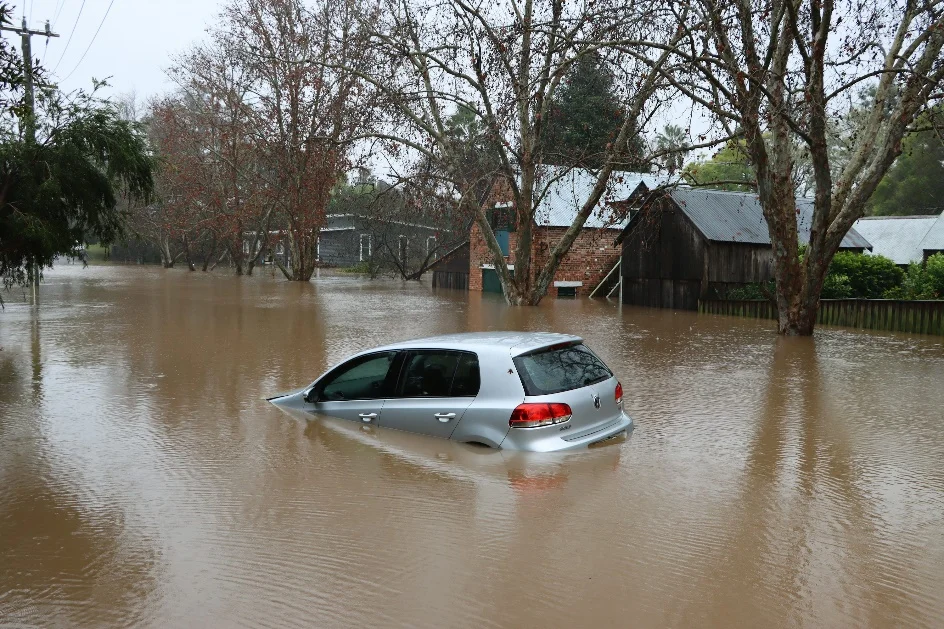
Water is one of the most damaging forces a home can face, and the worst part is that it often does its work out of sight. A slow leak behind a wall, a dripping pipe under the kitchen sink, or a poorly sealed window can introduce moisture into places where it should never be. Over time, that moisture soaks into drywall, wooden framing, and insulation. The materials weaken, warp, and eventually begin to break down entirely.
Mold is almost always close behind. Once moisture settles into a dark, enclosed space, mold spores latch on and begin spreading. It can grow behind walls, under flooring, and inside ceilings without anyone in the house noticing for weeks or even months. By the time you spot discoloration on a wall or detect that unmistakable musty smell, the problem has usually spread far beyond what is visible.
If you are already noticing signs of mold or persistent dampness in your home, it is wise to get in touch with SERVPRO of Shakopee/Savage/Prior Lake before the situation escalates further.
Bathrooms and basements are also vulnerable. Grout that has cracked around a bathtub or shower allows water to seep into the subfloor beneath. Basement walls that are not properly waterproofed can let groundwater in during heavy rains. Even condensation from poor ventilation can create enough moisture for mold to thrive.
The consequences go beyond cosmetic damage. Prolonged water exposure rots structural wood, compromises the integrity of load-bearing walls, and can make entire sections of flooring unsafe. Mold, if left unchecked, can spread through air ducts and affect the air quality in every room of the house.
Roof and Gutter Neglect
Your roof is your home’s first line of defense against the elements, and gutters play a supporting role that is easy to overlook. When shingles crack, lift, or go missing, rainwater and snowmelt find their way underneath. That water travels downward, soaking into the roof deck, attic insulation, and eventually the ceilings below.
Gutters that are clogged with leaves, dirt, and debris cause water to pool along the roofline instead of flowing away from the house. That pooling water backs up under shingles and can also overflow, running down the exterior walls and pooling around the foundation. In colder months, ice dams form when trapped water freezes and expands, prying apart roofing materials even further.
Regular roof inspections and gutter cleanings go a long way toward preventing these issues. Replacing damaged shingles promptly and making sure downspouts direct water well away from the foundation are simple steps that protect the entire structure of the home.
Faulty Electrical Wiring
Electrical problems are among the most dangerous household issues because they carry the risk of fire. Older homes are especially prone to wiring that has deteriorated over the decades. Insulation around wires breaks down, connections loosen, and circuits that were designed for a different era struggle to handle the electrical load of modern appliances and devices.
Warning signs include flickering lights, outlets that feel warm to the touch, frequently tripped breakers, and a burning smell near switches or outlets. Any of these should be treated as urgent. Ignoring them invites the possibility of an electrical fire, which can engulf a home in minutes and cause total destruction.
Having a licensed electrician evaluate the wiring in your home, particularly if it was built more than a few decades ago, is one of the smartest investments a homeowner can make. Updating outdated panels, replacing worn wiring, and installing proper grounding can eliminate risks that many homeowners do not even realize they are living with.
Foundation Cracks and Settling
Every home settles to some degree over time, but there is a difference between normal settling and foundation failure. Small hairline cracks in a basement wall are not uncommon, but cracks that grow wider, doors and windows that no longer close properly, and uneven floors are signs that something more serious is happening beneath the house.
Foundation problems are caused by a variety of factors. Expansive soil that swells when wet and shrinks when dry puts enormous pressure on foundation walls. Poor drainage that directs water toward the base of the home erodes the soil that supports it. Even tree roots growing too close to the structure can shift the ground underneath.
HVAC System Neglect
Heating and cooling systems work hard, especially in regions with harsh winters and warm summers. When these systems are not maintained, they do not just lose efficiency. They can become genuine hazards. A furnace with a cracked heat exchanger can leak carbon monoxide into the home, an odorless gas that is deadly in enclosed spaces. Clogged air filters force the system to overwork, which increases the chance of mechanical failure and can contribute to poor air quality inside the home.
Condensation from air conditioning units can also introduce moisture problems if drain lines become clogged or pans overflow. That water can damage surrounding materials and, as with any persistent moisture source, invite mold growth.
Scheduling annual maintenance checks, replacing filters on a regular basis, and paying attention to unusual noises or smells from the system are habits that protect both the equipment and the people living in the home.