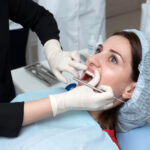
Could one painful moment at work change the whole course of a busy day? Sudden health problems can happen during meetings, shifts, travel, or simple office routines, and the first response often matters most.
Teams need clear steps that protect the person in pain while keeping others calm and informed. Dental pain, injuries, swelling, and bleeding can feel small at first, but they may become serious fast.
This article explains how workplaces can manage sudden health crises with steady action, clear roles, and smart follow up.
Build a Calm First Response
A strong response starts before anyone gets hurt or feels sick. These steps explain how calm leadership and quick checks help teams avoid panic.
Keep the Scene Safe
The first goal is to make the area safe for the person and everyone nearby. Move chairs, tools, cords, or sharp items away if they could cause more harm. Ask one calm person to stay close while another person alerts the right manager or first aid lead.
Check What Is Happening
A quick check helps the team decide what kind of help is needed. Ask simple questions about pain, breathing, bleeding, dizziness, swelling, or injury without crowding the person. If the person cannot answer, seems confused, or has trouble breathing, treat the situation as urgent and call emergency services.
Know Which Problems Need Fast Help
Not every health problem needs the same response, but some signs should never be ignored. These subheaders cover common warning signs and dental emergencies that may happen at work.
Watch for Serious Symptoms
Chest pain, trouble breathing, fainting, heavy bleeding, and sudden weakness need fast medical support. Severe allergic reactions can also become dangerous within minutes. A workplace plan should tell staff when to call emergency services instead of waiting for symptoms to pass.
Take Dental Emergencies Seriously
A sudden toothache, broken tooth, knocked-out tooth, abscess, or mouth injury can make it hard to think, speak, or work. These problems can involve infection, nerve pain, or trauma, so quick action may protect long-term oral health.
If the issue is dental, the employee may need an emergency dentist who can help after the first safety steps are handled.
Set Clear Workplace Roles
A crisis runs better when people know what they should do before stress hits. These roles help prevent confusion and keep support focused.
Choose a Response Lead
One trained person should guide the first few minutes of action. This person can ask basic questions, call for help, and make sure the area stays clear. The response lead does not need to diagnose the problem, but they should know how to follow the workplace plan.
Assign Support Tasks
Other staff members can help by meeting emergency responders, finding first aid supplies, or contacting a family member if policy allows. Someone should also protect the person’s privacy by keeping unnecessary people away. When tasks are clear, fewer people freeze or repeat the same action.
Prepare Supplies and Contact Lists
Good planning makes it easier to act when a sudden problem happens. These tools help teams respond faster without searching for basic items.
Keep First Aid Easy to Reach
First aid kits should be marked, stocked, and placed where staff can reach them fast. Supplies may include gloves, gauze, cold packs, bandages, and basic care instructions. For mouth injuries, clean gauze and a cold pack can help control bleeding and swelling while professional care is arranged.
Update Emergency Details
Workplaces should keep emergency contacts, local urgent care options, and dental emergency contacts in a secure but easy-to-find place. Managers should also know the office address, floor, room number, and best entrance for responders. Outdated phone numbers waste time, so contact lists should be reviewed often.
Handle Dental Pain at Work
Dental pain can look simple from the outside, but it can be intense and distracting. These steps help coworkers respond with care while avoiding risky advice.
Reduce Strain and Discomfort
Give the person a quiet place to sit while they decide the next steps. A cold pack placed outside the cheek may ease swelling from an injury or sudden flare-up. Avoid telling the person to place pills on the gums, use alcohol, or ignore pain until the end of the day.
Protect Teeth After Injury
If a tooth is knocked out, handle it by the crown and avoid touching the root. The tooth should stay moist in milk, saliva, or a proper tooth-saving solution if one is available. Fast dental care can make a major difference, so the workplace response should support quick transportation and communication.
Communicate Without Creating Panic
Clear words help everyone stay calm during a health crisis. These communication habits protect the person in need while keeping work under control.
Use Simple Direct Language
Say what is known, what is being done, and who is handling the next step. Avoid guessing about the cause or making dramatic comments near the person. Calm phrases like “help is on the way” or “we are getting you care” can lower fear.
Protect Privacy at Every Step
Health details should be shared only with people who need them to help. Coworkers do not need updates about symptoms, medical history, or treatment plans. After the crisis, managers should remind staff to respect privacy and avoid gossip.
Support Leaders During Crises
Managers often feel pressure to protect the person, guide the team, and keep operations moving. These steps help leaders stay present without trying to do everything alone.
Make Decisions in Order
Leaders should focus first on safety, then help, then coverage. Work tasks, meetings, and deadlines can wait until the person has support and the scene is stable. A simple order of action keeps leaders from getting pulled into side issues too early.
Keep Authority Steady
Employees watch how leaders respond when something goes wrong. A calm leader who follows a clear plan builds trust and keeps the team grounded. Strong leadership does not mean acting fearless, but it does mean staying useful under pressure.
Train Staff Before Emergencies
Training gives people confidence when a health crisis happens at work. These steps help employees respond with care, speed, and steady judgment.
Teach Basic Warning Signs
Staff should know the signs that need urgent help, such as severe pain, heavy bleeding, swelling, fainting, or trouble breathing. They should also understand that sudden dental pain or mouth trauma can become serious. Simple training helps people notice problems early instead of waiting for them to get worse.
Review Response Steps Often
A short review every few months keeps the plan fresh in everyone’s mind. Managers can walk through who calls for help, who gets supplies, and who clears the area. Repetition makes the response feel familiar when stress is high.
Document the Incident Clearly
Good notes help the workplace learn from the event and support the person involved. These records should be factual, private, and simple to understand.
Record Key Details
Write down the date, time, location, symptoms reported, actions taken, and who was involved in the response. Avoid guesses, blame, or personal opinions in the record. Clear notes can help managers review safety steps and answer later questions.
Keep Records Private
Incident records should be stored according to company policy and shared only with approved people. Health details should never become casual workplace talk.
Create a Return Plan
The crisis does not fully end when the person leaves the workplace or receives care. These steps help teams handle follow up without pressure or confusion.
Check In With Care
A manager can check in later with a simple message that focuses on support, not details. The employee should not feel pushed to explain private health information. If time off, schedule changes, or light duties are needed, the workplace should handle them through normal policy.
Review What Worked
After the event, leaders should review the response while facts are still fresh. They can ask whether supplies were easy to find, roles were clear, and communication stayed calm. Small changes after one event can make the next response safer and faster.
Make Prevention Part of Culture
Not every emergency can be prevented, but many risks can be reduced. These habits help teams stay ready without turning the workplace into a place of fear.
Encourage Early Action
Employees should feel safe speaking up when pain, swelling, dizziness, or injury begins. Waiting too long can make problems harder to treat and more disruptive for the workplace. A culture that supports early action helps people get care before a problem grows.
Practice the Plan
A written plan is helpful, but practice makes it easier to follow. Short drills, manager refreshers, and first aid reviews keep the process familiar. When people know the plan, they can respond faster and with less stress.
Manage Sudden Health Crises: Stay Ready Stay Human
Sudden health crises at work are hard because they mix pain, fear, privacy, and responsibility. A clear plan gives people a path to follow when emotions are high. It also helps the person in distress feel seen instead of rushed or ignored.
The best workplace response is calm, simple, and people first. When teams prepare before trouble starts, they protect health, trust, and daily stability.
Did you find this article helpful? Check out the rest of our blog now!