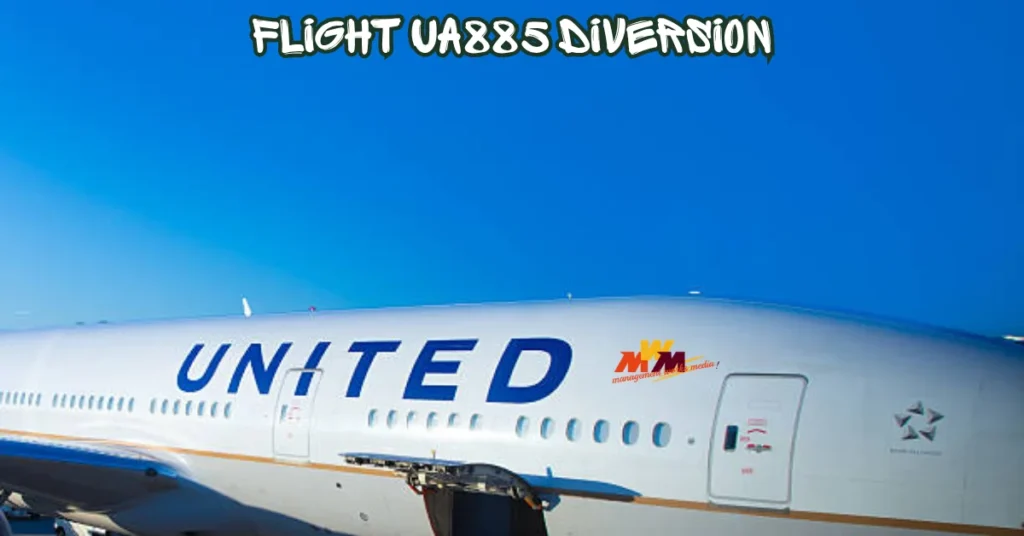
Introduction to Flight UA885 Diversion
On a routine day in the skies, Flight UA885 Diversion suddenly took an unexpected turn. Passengers settled into their seats, ready for takeoff from Newark to Los Angeles. Little did they know that this flight would become the talk of the town due to its diversion. The incident sheds light on United Airlines’ commitment to passenger safety and operational protocols.
Air travel is often seen as a smooth ride through clouds; however, unforeseen circumstances can lead to challenges that test even the most seasoned airlines. As we unpack what happened during Flight UA885’s diversion, we’ll explore how safety protocols are put into action when things don’t go according to plan. Buckle up as we dive deep into this fascinating situation and uncover valuable insights about air travel safety!
Explanation of United Airlines’ Safety Protocols
United Airlines prioritizes passenger safety through rigorous protocols. These procedures are designed to ensure the well-being of everyone onboard.
Their safety measures start long before takeoff. Pre-flight checks involve extensive inspections and maintenance of aircraft systems, ensuring everything operates smoothly.
In-flight protocols cover various scenarios, including medical emergencies or technical issues. Flight attendants undergo regular training to handle these situations calmly and effectively.
Communication is vital during any incident. United maintains a clear line between pilots and cabin crew, allowing for swift decision-making when unexpected events arise.
Moreover, passengers are kept informed throughout their journey. Safety briefings at the beginning of each flight emphasize essential information about emergency exits and equipment usage.
These comprehensive strategies reflect United’s commitment to maintaining high standards in aviation safety while fostering passenger confidence in their travel experience.
The Importance of Diversion Procedures
Diversion procedures are crucial in aviation safety. They provide a structured response when unexpected situations arise. This could include anything from medical emergencies to technical malfunctions.
Pilots undergo extensive training on these protocols, ensuring they can act swiftly and decisively. Diversions not only safeguard passengers but also prioritize crew welfare.
The ability to reroute a flight enhances overall operational flexibility. Airlines can adapt quickly to changing circumstances, minimizing risk while maximizing passenger comfort.
Moreover, these procedures build public trust in airlines. Passengers feel more secure knowing that their safety is the top priority during unforeseen events.
Effective diversion plans contribute to smoother airport operations. Ground crews can prepare for incoming flights efficiently, reducing congestion and delays at airports.
A Closer Look at the Incident
On the day of the flight UA885 diversion, passengers boarded with excitement. The aircraft took off from San Francisco, bound for New York City. Everything seemed normal at first.
Midway through the journey, a sudden alert prompted the crew to assess an unexpected situation. The captain made a quick decision: divert to Denver International Airport.
Passengers were informed calmly but firmly about the change in plans. Unease rippled through the cabin as they wondered what was happening.
Upon landing, emergency crews awaited on tarmac—an indication that something serious had unfolded. Passengers disembarked safely and observed heightened security measures in action.
The swift response showcased not only United Airlines’ commitment to safety but also how crucial communication is during crises. Crew members remained professional throughout, ensuring everyone felt secure amid uncertainty or stress while addressing concerns effectively.
Reactions from Passengers and Crew Members
The reactions from passengers aboard Flight UA885 varied widely as the unexpected diversion unfolded. Some expressed concern, while others remained surprisingly calm. The initial uncertainty created a buzz of conversations throughout the cabin.
Crew members played a crucial role in managing these emotions. Their professionalism was evident as they reassured travelers about safety protocols and what to expect next. Many passengers appreciated their clear communication during this unsettling time.
Social media soon lit up with personal accounts of fear but also gratitude for swift actions taken by the crew. Several individuals noted how comforting it was to have knowledgeable staff guiding them through an unusual situation.
Despite the disruption, many shared stories of camaraderie that emerged among strangers on board—bonding over shared anxiety turned into discussions about travel experiences and future plans once they landed safely.
How United Handled the Situation?
United Airlines acted swiftly during the Flight UA885 diversion. The crew followed established safety protocols, ensuring passenger well-being was their top priority.
Communication played a crucial role. Passengers were kept informed about the situation and the reasons behind the diversion. This transparency helped ease anxieties on board.
Upon landing, United’s ground staff was ready to assist. They coordinated with local authorities and arranged for alternative transportation promptly.
Support services were made available for those affected by the unexpected change in plans. Travelers received updates about rebooking options to minimize disruptions in their journeys.
Throughout this incident, United demonstrated its commitment to safety and customer service amid challenging circumstances. Their response highlighted a strong focus on both operational efficiency and passenger care during an unpredictable event.
Lessons Learned and Future Changes for United Airlines
The diversion of Flight UA885 offered critical insights for United Airlines. These moments often reveal gaps in protocols and highlight areas for improvement.
One significant lesson learned is the need for enhanced communication during emergencies. Passengers crave timely updates to ease anxiety. Improving this aspect can significantly boost passenger confidence.
Additionally, training sessions will likely undergo revisions to include more real-life scenarios reflecting such diversions. Simulated exercises can prepare both crew and staff better, ensuring everyone knows their roles in a crisis.
United may also consider partnerships with mental health professionals to assist passengers post-incident. Addressing emotional well-being is crucial after such experiences.
Feedback from passengers could pave the way for future enhancements. Gathering insights directly from those involved creates a roadmap toward safer journeys ahead.
Conclusion
The recent diversion of Flight UA885 has sparked considerable discussion surrounding United Airlines’ safety protocols. The swift and efficient response demonstrated by the crew highlights the importance of thorough training and readiness in unexpected situations.
This incident serves as a reminder that aviation safety is paramount. Diversion procedures are not just protocols; they are crucial lifelines during emergencies. As we analyze what transpired, it becomes evident that communication between passengers and crew plays a vital role in maintaining calm during turbulence—both literal and metaphorical.
Passenger accounts reveal feelings ranging from anxiety to gratitude for the professionalism displayed by flight attendants. Their ability to manage stress while keeping everyone informed cannot be overstated.
United Airlines’ handling of this situation reflects their commitment to passenger safety. Prompt action taken by pilots ensured that all passengers were safe upon landing at an alternate airport, showcasing how preparation can mitigate risks effectively.
As with any critical event, there are lessons learned from Flight UA885’s diversion. Continuous evaluation of emergency protocols will likely lead to refinements aimed at enhancing passenger experience during unforeseen circumstances.
The industry’s focus on improving safety measures remains strong. With airlines like United taking proactive steps based on insights gained from incidents such as this one, travelers can have greater confidence when flying in today’s skies, knowing that their well-being is always prioritized above all else.