Every homeowner knows that weather is unpredictable. One week brings scorching heat, the next delivers heavy rain, and before long, freezing temperatures settle in. While most people worry about comfort during these shifts, few stop to think about what those changes are doing to the structure beneath their roof.
In Towson, Maryland, where seasons swing from humid summers to icy winters, these fluctuations put homes through a constant cycle of stress. Understanding how the weather affects your property is the first step toward keeping it safe and sound for years to come.
How Moisture and Flooding Threaten Your Home’s Foundation
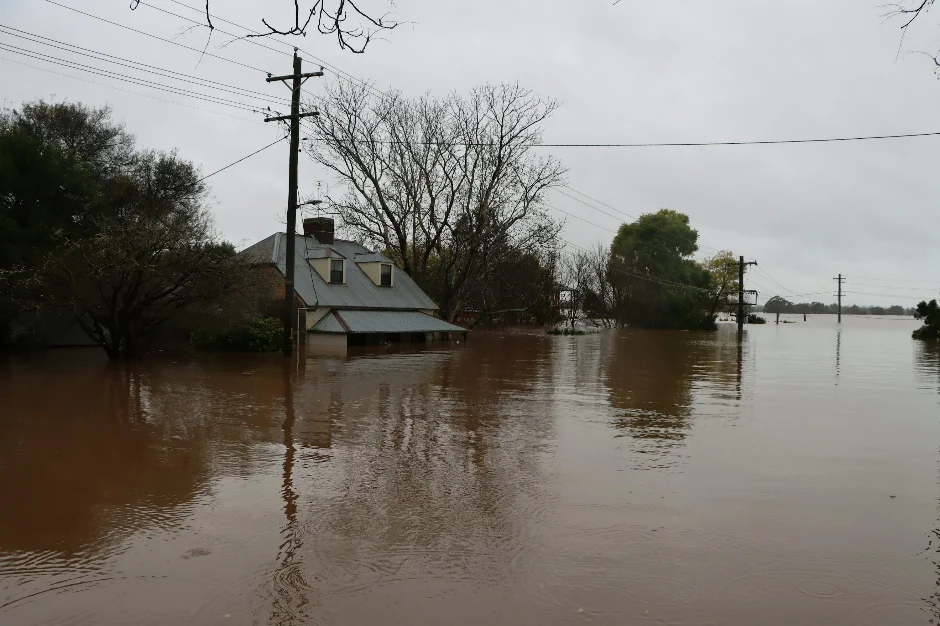
Water is one of the most destructive forces a home can face, and it does not need to arrive as a dramatic flood to cause serious harm. Persistent rain, poor drainage, and even humidity can slowly eat away at the materials holding your house together. When water pools around your foundation, it seeps into tiny cracks in the concrete.
Over time, that moisture expands and contracts with temperature changes, widening those cracks until they become genuine structural problems.
Beyond the foundation, water finds its way into walls, ceilings, and flooring. Wooden beams and supports absorb moisture and begin to swell, warp, or rot. Drywall crumbles. Mold takes hold in hidden spaces, compromising air quality and weakening the materials it clings to. The damage often goes unnoticed until it becomes severe, which is why early detection matters so much.
Gutters, downspouts, and grading around the property all play a role in directing water away from the structure. When these systems fail or are poorly maintained, rainwater has nowhere to go but toward your home. Homeowners in areas that experience heavy seasonal rainfall need to be especially vigilant.
If you’ve also suffered from severe water damage and are looking for professional water damage restoration Towson has many professionals ready to assist with repairs and restorations. Remember, acting quickly when water intrusion is discovered can mean the difference between a minor repair and a full reconstruction project.
The Effects of Extreme Heat on Building Materials
Summer heat does more than make your home uncomfortable. It actively wears down the materials that hold everything together. Prolonged exposure to high temperatures causes roofing shingles to crack, curl, and lose their protective granules. Once the roof’s outer layer is compromised, the underlayment and decking beneath become vulnerable to moisture and ultraviolet radiation.
Wood framing and siding also suffer in intense heat. As temperatures climb, wood loses moisture and shrinks. This creates gaps around window frames, door jambs, and siding joints. Those gaps may seem small, but they invite water, insects, and air infiltration into the structure. Over months and years, this cycle of expansion and contraction loosens fasteners and weakens joints throughout the home.
Freezing Temperatures and the Freeze-Thaw Cycle
Cold weather introduces its own set of challenges, and the freeze-thaw cycle is among the most damaging. When water enters cracks in concrete, brick, or stone and then freezes, it expands with considerable force. As temperatures warm, the ice melts, and the now slightly larger crack fills with more water. The cycle repeats throughout winter, gradually breaking apart even the strongest masonry.
Foundation walls are particularly vulnerable to this process. Horizontal cracks in basement walls often result from repeated freeze-thaw cycles working in combination with lateral soil pressure. As the ground around your home freezes, it pushes inward against the foundation.
When it thaws, the pressure shifts again. This constant push and pull can cause walls to crack, lean, or buckle over time.
Wind Damage and Its Hidden Consequences
Strong winds do not need to reach hurricane levels to harm your home. Sustained gusts and sudden storms can loosen roofing materials, tear away siding panels, and snap tree limbs that crash into the structure. What makes wind damage particularly tricky is that much of it is not visible from the ground.
A few missing shingles might seem minor, but they expose the roof deck to rain and sunlight. Lifted flashing around chimneys and vents creates pathways for water to enter. Siding that has pulled away from the sheathing allows moisture to reach the structural frame underneath. Each of these small issues, if left unrepaired, compounds into something much larger.
Wind also affects the soil around your property. In dry conditions, strong winds strip away topsoil and dry out the ground, causing it to shrink and pull away from the foundation.
How Seasonal Transitions Wear Down a Home Over Time
It is not just individual weather events that threaten structural integrity. The constant transition between seasons creates a cumulative toll that many homeowners underestimate. Each shift from warm to cold, dry to wet, and calm to stormy puts stress on every material in the building envelope. Joints flex, sealants degrade, and coatings break down.
Seasonal expansion and contraction affect everything from the attic to the slab. Roof trusses shift slightly with temperature changes, which can cause nail pops in the ceiling drywall below. Exterior caulking around windows and doors dries out, cracks, and fails, allowing drafts and moisture inside. Even paint and exterior finishes lose adhesion over time when they are repeatedly baked by summer sun and frozen by winter cold.
The key to managing this gradual wear is consistent maintenance. Inspecting the roof, foundation, gutters, and exterior surfaces at the start and end of each season allows homeowners to catch small problems before they grow.
Protecting Your Home Through Awareness and Maintenance
Weather will always be beyond anyone’s control, but the condition of your home does not have to be. Paying attention to how different weather patterns affect your property gives you the power to respond before damage becomes costly. Walk your property after major storms. Check the basement after heavy rains. Look at the roof after a harsh winter. These habits build a clear picture of where your home is vulnerable.
Working with qualified local professionals for inspections and repairs ensures that problems are identified accurately and addressed properly. Structural concerns are not the place for guesswork.