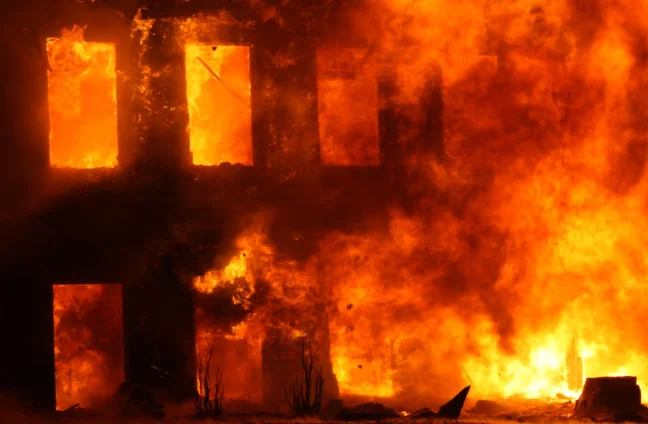
A house fire doesn’t end when the flames go out. Many homeowners step back inside thinking the worst is over, only to face new problems that were not obvious at first. Smoke settles into walls and furniture, soot spreads across surfaces, and water used to control the fire starts causing damage of its own. What makes the situation harder is that fire damage is often misunderstood. People expect visible damage, but much of the risk remains hidden. When cleanup is handled incorrectly or delayed, it can lead to long-term issues that are harder and more expensive to fix. Understanding the reality of fire damage cleanup helps homeowners make better decisions at the right time.
Looking Beyond the Burned Areas
Many homeowners focus only on the areas that were directly affected by flames. While those spots need attention, they are only part of the problem. Heat, smoke, and soot travel quickly through a home, reaching spaces that may appear untouched. Rooms that were not near the fire can still contain residue on walls, ceilings, and inside cabinets. Smoke can also move through vents and settle deep within hidden areas. If cleanup focuses only on visible damage, these affected spaces remain untreated. Over time, this can lead to odors, surface damage, and air quality concerns. A complete approach to cleanup starts with recognizing that fire damage rarely stays confined to one area.
Knowing When to Call in Experts
Fire damage often involves more than what is visible, and handling it requires the right tools and experience. Delaying professional help can allow damage to spread or become more difficult to address. Certified restoration teams understand how to manage smoke, soot, and moisture safely while protecting the structure of the home. They also follow proper procedures to ensure nothing is missed during cleanup. Working with a trusted provider like AIMGREEN RESTORATION helps ensure the process is handled thoroughly from start to finish. Bringing in experts at the right time supports a safer, faster, and more complete recovery.
Why Smoke and Soot Cause Lasting Damage
Smoke and soot continue to affect a home long after the fire is out. Soot contains fine particles that stick to surfaces and can slowly damage materials if not removed properly. It can stain walls, discolor metal, and break down finishes on furniture. Smoke also carries a strong odor that settles into fabrics, carpets, and insulation. This smell does not fade on its own because it becomes trapped in porous materials. If not handled correctly, these effects can worsen over time and spread throughout the home. Proper cleanup requires methods that remove residue completely rather than moving it around or covering it up, ensuring the home is truly restored.
The Risk of Improper Cleanup Attempts
Fire damage requires careful handling, and improper cleanup can make the situation worse. Soot and smoke residue react differently depending on the surface, and using the wrong approach can push particles deeper into materials or cause permanent marks. There are also safety concerns, as fire residue may contain harmful substances that should not be handled without protection. In addition, certain materials may weaken after exposure to heat and smoke, making them more sensitive during cleaning. Without the right process, important areas can be overlooked or damaged further. Recognizing these risks highlights the importance of proper cleanup methods and avoiding actions that can complicate restoration.
The Overlooked Impact of Water Damage
Water damage often goes unnoticed after a fire, even though it can be just as harmful. Fire crews use large amounts of water to stop the flames, and that water can seep into floors, walls, and furniture. Moisture may remain trapped beneath surfaces even when they appear dry. Over time, this can weaken materials and create conditions for mold growth. Water can also spread damage into areas that were not affected by the fire itself. Ignoring this part of the cleanup can lead to additional repairs later. A complete restoration process must address both fire and water damage together to ensure the home is fully protected.
How Fire Affects Indoor Air Quality
Air quality often becomes a hidden issue after a fire. Smoke releases very small particles that remain suspended in the air and settle into vents and filters. These particles can continue to circulate through the home, especially when the HVAC system is in use. This can lead to ongoing exposure to contaminants, which may cause discomfort or health concerns over time. The issue is not always visible, which makes it easy to overlook. Without proper treatment, the air inside the home may not be safe to breathe. Addressing air quality is an essential part of fire damage cleanup and should be handled with the right equipment and process.
Saving Items Instead of Throwing Them Away
After a fire, it is common to assume that damaged belongings cannot be saved. However, many items affected by smoke and soot can often be restored with the right techniques. Furniture, fabrics, and personal items may respond well to specialized cleaning methods. Disposing of everything too quickly can lead to unnecessary loss and increased costs. Each item should be evaluated based on its condition and material. Some items may not be recoverable, but others can be returned to a usable state. Taking a careful approach helps preserve valuable belongings and reduces waste, while also supporting a more complete recovery after the incident.
Why Insurance Support Matters More Than You Think
Managing an insurance claim after a fire can feel overwhelming. Many homeowners are unsure about what information they need to provide or how to document the damage properly. Clear records, including photos and detailed descriptions, play an important role in supporting a claim. Delays or missing details can affect how smoothly the process moves forward. Restoration professionals often assist by providing reports and communicating with insurance representatives. This support helps ensure that the damage is fully documented and understood. Staying organized and informed during this stage can reduce stress and help homeowners move through the recovery process more efficiently.
Fire damage cleanup is more complex than it first appears. What may seem like a straightforward situation often includes hidden issues that require careful attention. Smoke, soot, water, and air quality all play a role in how well a home recovers after a fire. Taking the right approach from the beginning helps prevent long-term damage and reduces the risk of ongoing problems. Understanding what is involved allows homeowners to make informed decisions and avoid common mistakes. With the right support and a complete cleanup process, it becomes possible to restore the home safely and move forward with confidence.