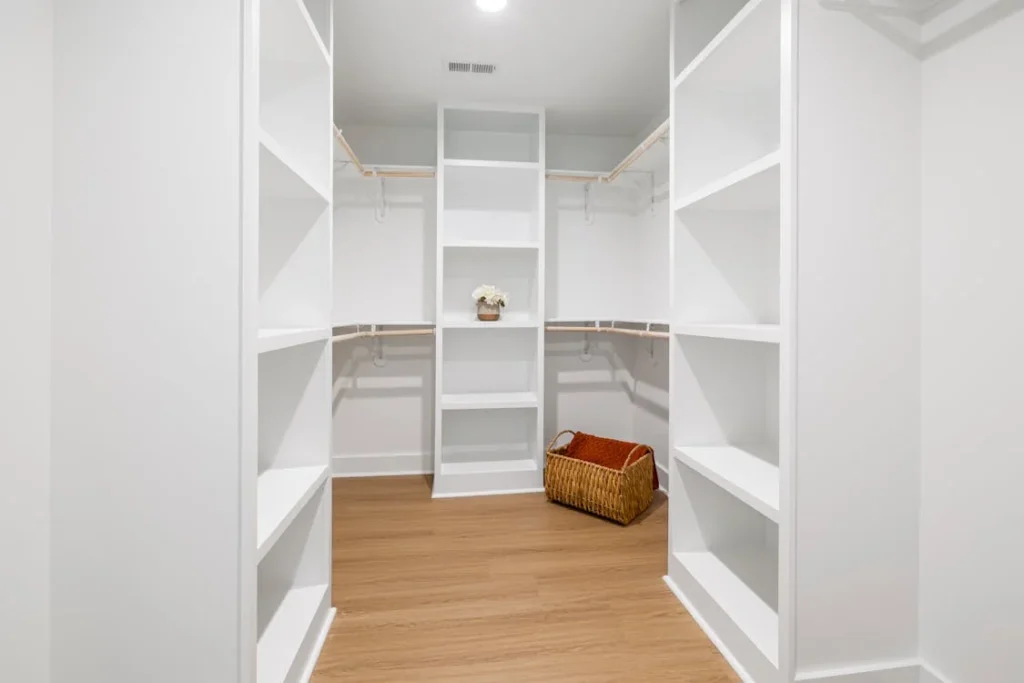
Have you ever opened a closet and felt like it might attack you? Most people have. Homes in Tennessee today hold more stuff than ever, yet living spaces are not growing much bigger. From online shopping habits to remote work gear, our belongings keep multiplying. Extra storage space is no longer a luxury; it has quietly become a practical solution for modern life. Understanding how it helps can change how we manage our homes, time, and even stress.
Why Our Homes Feel Smaller Than Ever
Many Americans live in homes filled with useful items that slowly turn into clutter. Online shopping makes it easy to bring new things home with a few taps, and the rise of same-day delivery means those items arrive faster than we can reorganize our shelves.
Recent trends show that people own more categories of belongings than in the past. Fitness equipment, remote work desks, hobby supplies, and seasonal decorations all compete for space. The result is that perfectly normal houses begin to feel overcrowded. Extra storage creates breathing room by moving rarely used items out of daily living areas while keeping them accessible when needed.
The Hidden Stress of Clutter
Clutter does more than take up space. It also adds quiet pressure to daily life. Psychologists often point out that messy environments increase mental fatigue because the brain constantly processes visual noise. A crowded garage or packed hallway closet becomes a reminder of unfinished organization.
For many families, off-site storage offers a simple fix. In places like rural Tennessee, facilities such as Coalmont storage units give residents a secure location for items that do not need to stay inside the house year-round. When furniture, seasonal gear, or archived business materials move out of the living space, people often notice their homes feel calmer and easier to maintain.
Storage and the Remote Work Era
The shift toward remote and hybrid work has reshaped how homes function. Living rooms became offices almost overnight during the pandemic, and many people still work from home several days a week. The problem is that office equipment rarely disappears after 5 p.m.
Printers, document boxes, spare monitors, and product inventory can slowly invade personal spaces. Instead of stacking work materials in corners, many remote workers now rotate equipment between home and storage. A clean workspace helps productivity, while storing unused gear prevents the house from feeling like a permanent office. It also keeps work life from blending too deeply into personal life.
Moving Without Losing Your Mind
Moving ranks among the most stressful life events, right up there with starting a new job or planning a wedding. The challenge is rarely the move itself. It is dealing with years of accumulated belongings that suddenly must fit into boxes and trucks.
Temporary storage can turn a chaotic move into a controlled process. Families often store furniture and large items while staging a home for sale, then move belongings gradually into the new house. This method reduces pressure during closing timelines and prevents rooms from filling with random boxes. Instead of rushing decisions, people gain time to organize thoughtfully.
Seasonal Living Is Real
Many items are useful only a few months each year. Winter coats, holiday decorations, camping gear, and patio furniture all rotate in and out of daily use depending on the season. Yet they often take up permanent space in closets and garages.
Using storage for seasonal items creates a simple rotation system. Store winter gear during summer and swap it when cold weather returns. The same approach works for sports equipment, gardening tools, or travel luggage. Instead of digging through piles every time the seasons change, everything has a place and a predictable cycle.
The Economics of Space
Real estate prices have climbed steadily in many parts of the United States. Larger homes cost significantly more, and adding square footage through renovations can be expensive and disruptive. In many cases, renting storage space costs far less than expanding a house.
Think of storage as flexible square footage. Instead of paying thousands for construction or upgrading to a bigger home, families can store items that do not require daily access. This approach keeps housing costs manageable while still allowing people to keep valuable possessions that might not fit comfortably inside their living space.
Making Family Life Less Chaotic
Families with children know how quickly homes fill with toys, sports gear, school projects, and extra furniture. Kids outgrow equipment almost as fast as they outgrow shoes, yet many parents keep items for younger siblings or sentimental reasons.
Storage provides a practical middle ground between keeping everything and throwing everything away. Parents can store outgrown clothing, cribs, and learning materials until they are needed again. Meanwhile, the house remains organized enough for daily routines like homework, cooking, and relaxing. A calmer home often means fewer arguments about cleaning up clutter.
Mental Breathing Room Matters
Extra storage does not just organize belongings. It also creates psychological relief. When surfaces are clear and closets close easily, people tend to feel more in control of their environment. That sense of order can improve focus, sleep quality, and general mood.
Minimalism has become a popular lifestyle trend, but most people do not want to own only a handful of items. Storage offers a balanced solution. You can keep meaningful possessions without letting them dominate your living space. The result is a home that feels open, functional, and easier to enjoy.
Modern life produces more belongings than ever before, and that trend is unlikely to slow down. Between online shopping, remote work, and expanding hobbies, our homes now serve many roles. Extra storage space helps people adapt without feeling overwhelmed. By moving seldom-used items out of everyday spaces, families gain clarity, comfort, and flexibility. In a world already full of noise and information, a little extra room can make life surprisingly simpler.