
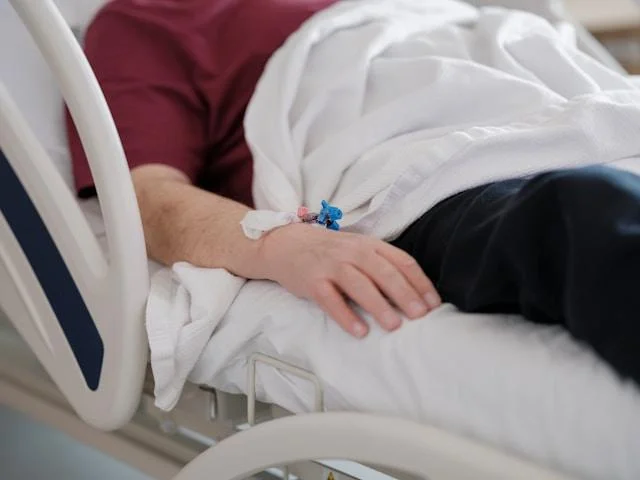
After an injury, everyday life can change very quickly. You may be dealing with pain, fatigue, appointments, paperwork, phone calls, and worries about money at the same time. That mix can make recovery feel harder than it needs to be.
Many people start looking for clear guidance from doctors, family, and sometimes firms like Michael Kelly Injury Lawyers when questions about insurance, records, and next steps begin to pile up. What helps most is a simple plan that protects your health without letting legal tasks take over your life.
The goal is to recover in a steady and realistic way while also handling the responsibilities that come with an injury claim.
Put Medical Care First
Your first job after an injury is to get medical attention as soon as possible. Some injuries do not fully show themselves right away, especially when adrenaline is high. Neck pain, soft tissue injuries, concussions, and emotional symptoms can become clearer hours or days later.
Prompt treatment matters for two reasons. First, it gives you the best chance to heal well and avoid complications. Second, it creates a medical record that connects your symptoms to the incident, which can matter if an insurance company later questions what happened.
Once treatment begins, stay consistent. Go to follow-up visits, attend physical therapy if it is prescribed, take medication as directed, and tell your providers when something changes. Gaps in care can slow recovery and also make it easier for others to argue that your injuries were minor or unrelated.
Treat Your Recovery Like an Ongoing Record
A strong recovery plan is not only about showing up to appointments. It also means paying attention to your body and keeping useful information organized. Write down your symptoms, pain levels, sleep issues, mobility problems, and anything that gets worse with work or daily tasks. Keep copies of visit summaries, bills, receipts, prescriptions, therapy schedules, and work notes.
This does not need to become a full-time project. A small notebook, phone note, or simple folder can be enough if you update it regularly. Clear records help your doctors understand your condition and make it easier to explain your losses later.
Be Careful and Realistic About Work and Daily Activities
Returning to normal too fast can create problems. If your doctor gives restrictions, follow them. If light-duty work is available and fits those restrictions, consider it seriously. If you are not able to return yet, make sure your work status is documented clearly.
The same idea applies at home. Avoid activities that could aggravate the injury just because you feel guilty asking for help. Lifting, cleaning, driving long distances, or taking on childcare without support may seem manageable in the moment, but a setback can cost you physically and financially.
Make Space for Emotional Recovery
Injury recovery is not only physical. Pain, lost independence, financial stress, and changes in routine can affect mood, sleep, patience, and relationships. Some people feel isolated because others cannot see what they are going through day to day.
Stay connected with people who are steady and helpful. Ask for practical support when you need it. That might mean rides to appointments, help with meals, or someone to sit with you after a hard treatment session. If anxiety, depression, fear, or grief start interfering with daily life, talk to a qualified mental health professional. Emotional care is part of medical care.
Reading, music, light hobbies, short walks if approved, and regular check-ins with trusted people can make the recovery period feel less overwhelming.
Let Legal Help Reduce Stress
If another person or company caused the injury, legal guidance can take pressure off your shoulders. A good lawyer can help gather records, deal with insurance adjusters, assess damages, and keep the process organized while you focus on healing.
That does not mean you stop participating. It means you save your energy for the parts only you can do, such as attending treatment, reporting symptoms, keeping records, and making informed decisions.
Keep the Two Sides Working Together
The healthiest approach after an injury is also often the most responsible one. Get timely care, follow through, document what matters, respect your limits, and ask for help before burnout sets in. When self-care and responsibility work together, you give yourself a better chance to recover fully and handle the legal side with more confidence.