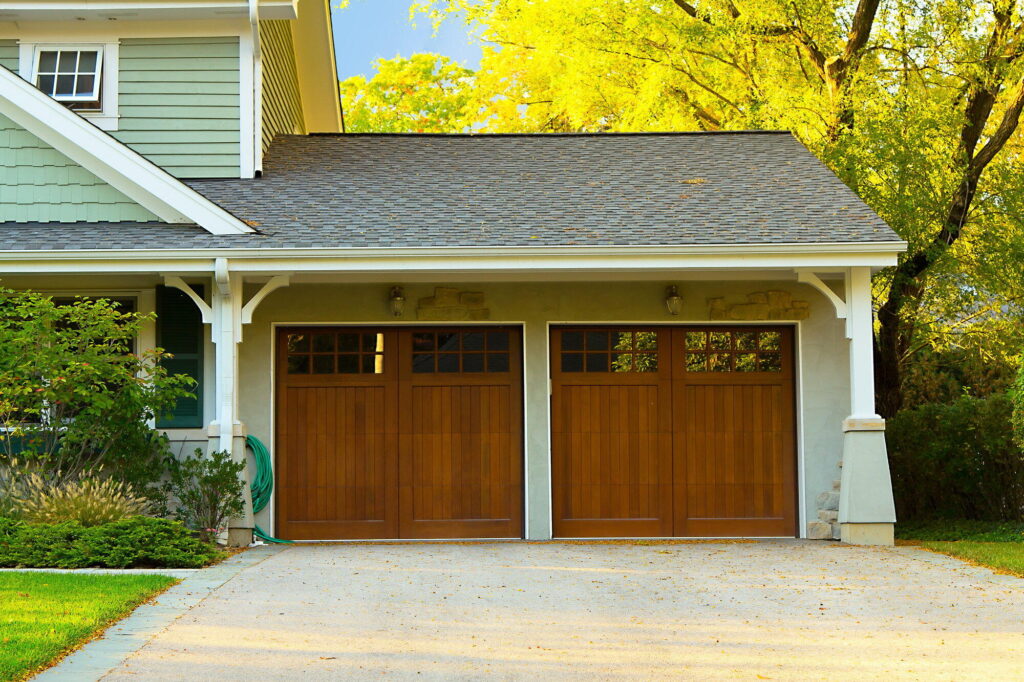
The overhead entry system, commonly known as a garage door opener, is one of the most essential mechanical devices in your home. It provides convenience, security, and peace of mind by allowing you to enter and exit your garage effortlessly. Despite its robust design, like any mechanical system, it can wear down over time.
Recognizing the early warning signs of potential problems can save you from costly repairs, property damage, and even personal injury. Here’s a detailed guide on the signs that indicate your overhead entry system needs immediate service. Read on.
Unusual Noises During Operation
One of the first indicators that your garage door system is struggling is unusual noises. Squeaking, grinding, or clanking sounds are not just minor annoyances; they are a signal that some components are worn or misaligned.
Squeaking or Chirping
This often points to a lack of lubrication in the rollers, hinges, or tracks. While this may seem minor, ignoring it can accelerate wear and tear.
Grinding Noises
These are typically caused by gears in the opener wearing down. Metal-on-metal grinding can indicate serious internal damage.
Clanging or Banging
This could suggest that the door springs or rollers are loose or that the door is off balance. If ignored, these loud impacts can damage the door panels or the opener mechanism over time.
Addressing these noises promptly not only prevents further damage but also ensures the safety of anyone using the door. Check out Dooracle garage door experts to learn more about garage door fixes.
Slow or Erratic Movement
A healthy garage door should open and close smoothly at a consistent speed. If your door is moving unusually slowly, stops mid-motion, or reverses unexpectedly, it’s a clear sign that the system is struggling.
Worn-out Springs
Overhead entry systems rely on torsion or extension springs to counterbalance the door’s weight. If these springs are weak or broken, the door may move unevenly or become difficult to lift manually.
Faulty Opener Motor
An inconsistent or underperforming motor can cause jerky movements or delays. This could be due to worn gears or electrical issues.
Obstructions or Misaligned Tracks
Even small debris in the tracks or misalignment can hinder movement and cause erratic operation. Left unchecked, this can lead to the rollers derailing or the door getting stuck.
Ignoring slow or uneven movement can lead to more severe mechanical failures, including complete door collapse.
Door Fails to Open or Close Fully
If your garage door won’t open completely or refuses to close all the way, this is an immediate red flag. The system’s safety features, such as automatic reversal mechanisms, may be triggered due to underlying problems.
Misaligned Sensors
Most modern overhead entry systems are equipped with safety sensors near the floor. If the sensors detect an obstruction or are misaligned, the door may stop or reverse unexpectedly.
Spring or Cable Issues
Broken or frayed cables or a malfunctioning spring can prevent the door from fully opening or closing. These problems can cause the door to suddenly slam shut, posing a serious safety risk.
Obstructions in the Path
Even a small object or debris on the floor can trigger the sensors, causing the door to stop. Regularly checking and clearing the path can prevent unexpected accidents or damage. Doors that fail to close properly compromise home security and increase the risk of weather damage or intrusions.
Frequent Automatic Reversals
Automatic reversal is a safety feature designed to prevent injuries or property damage. If your garage door frequently reverses during operation without any visible obstruction, it signals a problem that requires immediate attention.
- Sensor misalignment
- Track or roller issues
- Excessive wear in springs or cables
Frequent reversals can be frustrating and indicate that the opener or door components are no longer functioning reliably.
Door Appears Unbalanced
An unbalanced garage door is not only a sign of mechanical trouble but also a significant safety hazard. To test the balance, disconnect the opener by pulling the release handle and manually lift the door halfway. If it does not stay in place or drifts up or down, the balance is off.
- Worn springs
- Uneven track alignment
- Cable issues
Unbalanced doors put extra strain on the opener, rollers, and tracks, increasing the likelihood of system failure.
Visible Wear or Damage on Components
Regular visual inspections of your overhead entry system can reveal issues before they escalate. Look for:
- Frayed or broken cables
- Rust on metal parts
- Cracks in panels
- Loose bolts or brackets
If you notice any of these signs, it’s time to call a professional technician immediately.
Inconsistent Remote or Wall Control Response
Your garage door opener relies on electronics to function properly. If pressing the remote or wall control yields inconsistent results, it could indicate a serious issue:
- Worn-out circuit boards
- Dead batteries in a remote
- Electrical interference
Ignoring control issues can leave you stranded outside or compromise security.
Increased Energy Consumption or Noise from the Motor
Modern garage door openers are designed for efficiency. If your overhead entry system suddenly draws more electricity or the motor becomes louder than usual, it’s an early warning sign of mechanical or electrical strain.
- Motor strain due to friction
- Gearing wear
- Electrical issues
Addressing motor strain early prolongs the life of your opener and prevents costly replacements.
Frequent Need for Manual Adjustment
A well-functioning overhead entry system should require minimal intervention. If you find yourself frequently readjusting the door, tightening bolts, lubricating parts, or realigning tracks, it’s a sign that the system is deteriorating.
- Worn-out components
- Improper installation
- Environmental factors
Consistent manual intervention is a signal to schedule professional service before the door fails.
Age of the System
Even if your overhead entry system seems to function normally, age alone can be a factor. Most systems last between 10 and 15 years, depending on usage and maintenance.
Components such as springs, cables, and motors degrade over time, increasing the risk of sudden failure. If your system is approaching or past its expected lifespan, preemptive inspection and service can prevent emergencies.
Keep Your Garage Doors in Good Condition
Your garage door is more than just a convenience-it’s a critical part of your home’s security and safety infrastructure. Ignoring warning signs can lead to expensive repairs, injuries, or even property damage. If you notice unusual noises, slow movement, failed operation, frequent reversals, imbalance, visible damage, inconsistent controls, motor strain, frequent manual adjustments, or simply an aging system, it’s time to schedule immediate professional service.
If you want to read more articles, visit our blog.