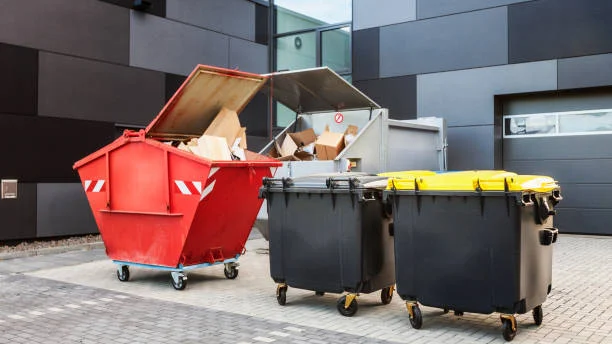
Dumpster rentals make it easier to manage waste during projects and events ranging from seasonal cleanups to office remodels. These containers come in various sizes, and they’re suitable for both homeowners and businesses. Here are some differences between renting a residential and commercial dumpster:
Dumpster Sizes
Smaller dumpsters are often sufficient for residential projects like basement and garage cleanouts. Options include:
- 10-yard dumpster: These dumpsters are ideal for small remodeling projects, such as redoing a kitchen or bathroom. They can contain the waste from medium-sized cleanups, small deck removals, or up to 1,500 square feet of shingle removal.
- 15-yard dumpster: This dumpster size is suitable for cleaning out an entire attic, basement, or large garage. You may also choose this size if you’re tearing out and replacing a medium-sized concrete driveway.
- 20-yard dumpster: These containers are ideal for bigger home projects, such as removing the flooring from a large house or replacing a 400-square-foot deck. This size also fits up to 3,000 square feet of shingles during a roofing project.
Commercial projects may require a larger dumpster, such as a 30- or 40-yard box. These containers accommodate waste from significant remodels or renovations. Construction businesses can use them for new home construction or large-scale roofing projects. Dumpster rentals are also beneficial for multi-office cleanouts, and they accommodate debris from substantial commercial building additions.
Selecting the right dumpster size enhances project efficiency. It saves you time and trips to the landfill, and it avoids safety issues caused by overfilling. For more personalized sizing recommendations, contact a professional dumpster rental company and discuss your project.
Rental Permits
If a dumpster is placed on private property, such as for a residential cleanup project, it may not require a permit. Some commercial rentals require permits. This can include whether a container needs to be placed on a public street, sidewalk, or another area with shared access. Permit requirements vary by city or municipality, but approval typically needs to be secured before delivery to remain compliant with local regulations.
Usage Options
Residential dumpster rentals are intended for short-term, household projects. Possible uses include yard cleanups, remodeling projects, and small renovations. These containers may also have lower weight restrictions; this helps prevent overloading.
Commercial dumpsters are suitable for larger-scale projects, and this includes renovating a retail store or making improvements in an apartment building. They may also be used for ongoing waste removal at a construction site. Some commercial containers are also designed to handle heavy or oversized materials, such as bricks and large furniture or appliances.
Pickup Schedules
When reserving a dumpster for a residential or commercial project, discuss the pickup schedule with the rental company. Some providers offer flexible scheduling, and this accommodates both short-term home projects and extended commercial operations. Residential rentals often involve a single pickup once the project is complete. Commercial rentals may require regular, scheduled pickups. This helps keep construction projects on track, and it maintains a safe, organized worksite.
Materials Allowed
Residential and commercial projects may involve disposing of different materials. Household trash, small appliances, and light construction debris are typical for residential projects, while heavier construction materials and renovation waste are expected from commercial projects. Make sure the dumpster rental you choose supports your expected type of waste. Some materials are not allowed in either residential or commercial dumpsters, and these include:
- Explosives
- Radioactive or hazardous waste
- Asbestos
- Motor oil
- Whole motor vehicle tires
- Mattresses
- Propane tanks
- Sealed drums
- Biological waste
Waste companies may still accept some of these items if customers dispose of them separately instead of adding them to a mixed-waste dumpster. This includes tires, mattresses, propane tanks, and lead-acid batteries. If your commercial or residential project involves any of the above materials, contact the rental company to discuss your options.
Schedule Your Dumpster Rental
Commercial and residential dumpster rentals serve different project needs. Residential dumpsters are ideal for short-term, household projects with lighter, more manageable waste. Commercial dumpsters accommodate larger volumes, and they suit ongoing or long-term disposal needs. Understanding the differences in size, usage, permits, and allowed materials helps make sure you select the right container for each project. Contact a reliable dumpster rental company today to discuss their container sizes.