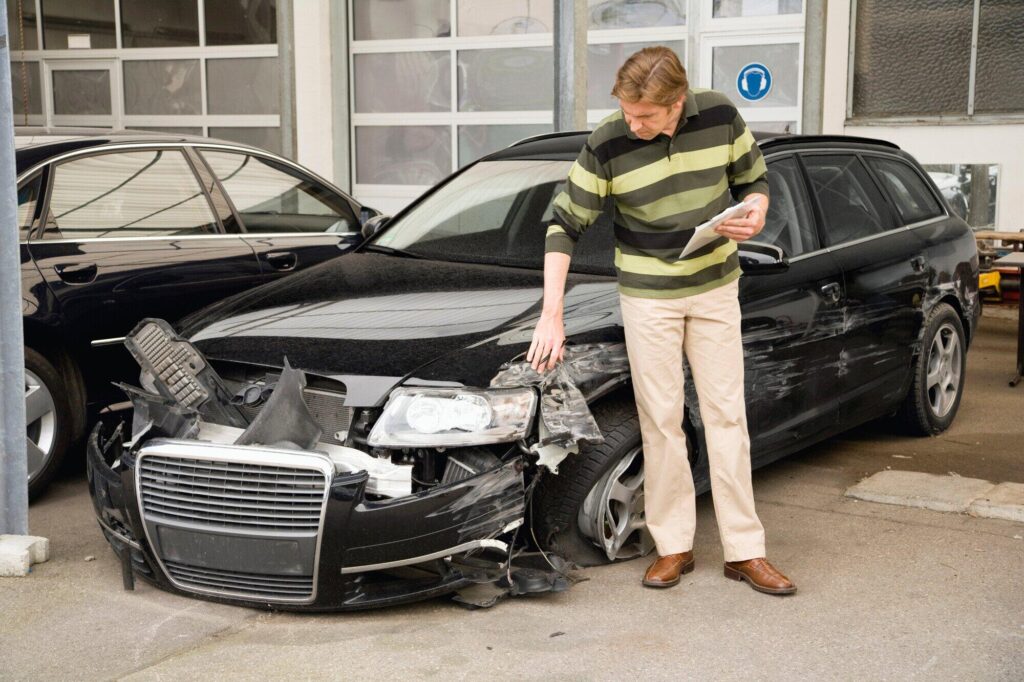
Have you ever wondered what your body goes through right after a traffic collision, even when you feel mostly fine? The shock, noise, and sudden movement can hide problems that do not hurt at first. Many people believe rest is enough, yet injuries often work quietly beneath the surface.
Acting fast can make a real difference in healing and peace of mind. This article explains why quick medical care matters after a crash and how it can protect your future health. By the end, you will understand the risks, the benefits, and the smart steps to take to stay safe.
Understanding Traffic Collision Injuries
A traffic collision can shake the body in ways that are hard to see. Muscles, joints, and soft tissues stretch fast and may tear slightly. Even low speed crashes can cause strain because the body is not ready.
Pain may be blocked by adrenaline, which is a stress chemical. This can make injuries feel smaller than they are. A doctor knows how to look for signs that are easy to miss, early checks help find swelling, stiffness, or nerve trouble before it grows worse.
Seat belts and airbags save lives, yet they also change how force moves through the body. The neck and back bend in quick motions that strain small muscles. Children and older adults may be more sensitive to these forces.
A medical visit helps adjust care to age and health history. This personal approach lowers the chance of lasting pain. It also builds trust between patient and provider during a stressful time.
Clear guidance early can prevent poor habits that slow healing. That matters greatly for long recovery paths. Especially after unexpected crashes that disrupt daily routines and family life too.
Hidden Injuries Can Appear Later
Some injuries take hours or days to show signs. Whiplash, head injuries, and internal bruises often act this way. You may wake up sore or dizzy long after the crash.
Waiting can allow swelling or bleeding to increase, when care is delayed, healing often takes longer. Getting checked early helps catch these problems before they turn serious. This can reduce pain and prevent long term damage.
Head injuries are a major concern after any collision. Even mild concussions can affect focus and sleep. Internal injuries may cause nausea or weakness without clear pain.
A timely exam can include simple tests to rule out danger. Knowing results early helps people rest the right way. It also prevents risky activity that could worsen harm.
Children may struggle to explain symptoms, which makes checks more important. Older adults face higher risk from hidden bleeding. Early care brings peace and clear answers.
This knowledge reduces fear during recovery. Families benefit from guidance as well. That support matters. In stressful times.
How Early Care Protects Your Health
Seeing a medical provider soon after a crash supports faster recovery. Tests like exams or imaging show what the body cannot explain. Treatment may start right away, easing pain and limiting swelling.
This approach is the heart of Immediate Medical Care Matters After a Traffic Collision Event because time affects outcomes. Prompt care also gives clear advice about rest, movement, and follow up visits.
When people understand their injuries, they feel calmer and more in control. That confidence supports better healing.
Doctors often explain what movements to avoid and which ones help. This advice can stop stiffness and weakness, early therapy may begin with gentle steps. Pain control plans reduce the urge to push too hard.
Follow up visits adjust care as healing changes. This steady plan supports strong and safe recovery, clear timelines help people return to work or school safely. Sleep, nutrition, and hydration also improve with guidance.
Questions are answered before worries grow, this reduces stress for families. Good care builds healthy habits, that lasts beyond recovery. People feel supported throughout healing, trust encourages follow through consistently well.
Medical Records And Recovery
Early medical visits create records that explain what happened to your body. These notes track symptoms from the start instead of weeks later. Clear records help doctors plan care and measure progress.
They also support any insurance or legal needs that may arise. More important, they keep treatment consistent. When each provider sees the same history, recovery is smoother and safer.
These records also help new providers understand your needs, they prevent repeated tests and delays. Accurate notes show how pain changes over time. This helps tailor therapy and medication.
When progress slows, records guide next steps. Clear history keeps care focused on healing, they also support communication with insurers. Clear timelines reduce confusion.
Patients avoid repeating painful stories, this saves energy for healing. Families can track progress together. Consistency builds confidence, that confidence supports recovery goals.
Good records are a safety net, they protect patients from gaps. Care stays organized. Providers work as a team, everyone benefits for better outcomes.
When Emergency Care Is The Right Choice
Some situations call for immediate emergency care. Severe pain, loss of awareness, or trouble moving are strong warning signs. Even without clear symptoms, many people ask should you go to the hospital after a car accident when fear sets in.
Doctors can rule out dangerous issues and offer peace of mind. Emergency teams are trained to act fast and stabilize injuries. Quick action can prevent small problems from becoming life changing ones.
Emergency care is not only for severe crashes. Sudden chest pain or trouble breathing needs fast help. Bleeding that will not stop is another sign.
Quick transport can save vital time. Hospitals have tools to monitor the body closely, early action can prevent rapid decline. Even rural areas benefit from quick decisions, calling for help removes guesswork.
Professionals decide next steps, this reduces risk. Time matters most after injury, delays can worsen outcomes. Fast care brings relief, families feel supported.
Protect Your Health Without Delay
Your health deserves attention after any crash, no matter how small it seems. Fast action helps doctors find injuries early and guide safe healing. The message behind Immediate Medical Care Matters After a Traffic Collision Event is simple and powerful.
Care taken today can protect comfort, movement, and confidence tomorrow. When people listen to their bodies and seek help, they lower risk and stress. Choosing care is choosing safety for yourself and those who depend on you now and in future.
Did this guide help you? Browse the rest of this section for more advice on a variety of topics.