The construction industry is continually evolving, with new materials and techniques emerging to benefit both the environment and structures themselves. A sustainable roof cladding company exemplifies this progress through innovative practices. Roof cladding not only provides a protective layer to buildings but also enhances their aesthetic appeal while contributing to sustainability.
The Role of Roof Cladding in Modern Architecture
Roof cladding plays a vital role in modern architecture by offering protection against environmental elements and significantly contributing to a building’s energy efficiency. Innovations in this field are making it possible for structures to become more eco-friendly while maintaining durability and style.
Innovations in Sustainable Roof Cladding
Recent innovations in roof cladding focus heavily on sustainability. These advancements include the use of recycled materials, improved insulation techniques, and energy-efficient reflective surfaces. These innovations not only lower energy consumption but also promote long-term cost savings for building owners.
Recycled Materials
Sustainable roof cladding often utilises recycled materials, reducing the demand for new raw resources. By incorporating recycled metals and plastics, companies can produce cladding solutions that are both environmentally friendly and robust.
Enhanced Insulation
Enhanced insulation is another pivotal innovation in roof cladding. By improving the insulation properties, buildings can maintain optimal interior temperatures with less energy, lessening the building’s overall carbon footprint.
Reflective Surfaces
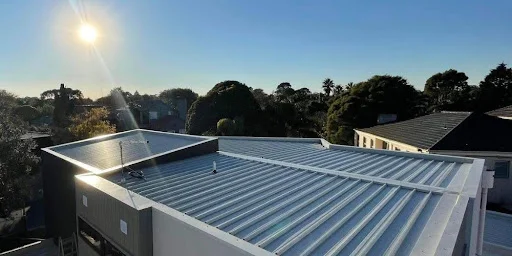
Reflective cladding surfaces are designed to redirect solar energy, reducing heat absorption. This attribute is particularly beneficial in warmer climates where it can considerably decrease cooling costs.
Benefits of Sustainable Cladding Materials
Choosing sustainable cladding materials offers several benefits including increased energy efficiency, lower environmental impact, and improved building longevity. Sustainable materials are often more durable and require less maintenance over time, making them a cost-effective solution.
Lower Environmental Impact
Sustainable cladding reduces the environmental impact by utilising eco-friendly materials and processes. This helps in mitigating climate change by reducing carbon emissions and conserving natural resources.
Energy Efficiency
Cladding that enhances energy efficiency is a key factor in sustainable building design. With improved insulation and reflective properties, such cladding solutions are instrumental in lowering energy bills and reducing a building’s energy consumption.
Extended Building Lifespan
The durability of sustainable cladding materials means that buildings experience less wear and tear over time, contributing to a longer lifespan. This not only saves on repair costs but also reduces the frequency of replacement materials, further conserving resources.
Case Studies in Sustainable Roof Cladding
Several case studies highlight the impact of sustainable roof cladding innovations. By examining these examples, industry professionals can gain insights into the successful implementation of sustainable practices and materials.
Example 1
One noteworthy case study involves a commercial building that utilised reflective roof cladding to dramatically cut its cooling costs. The result was a significant decrease in energy consumption, showcasing the potential savings associated with sustainable innovations.
Example 2
Another case study focuses on a residential development that employed recycled metal cladding. This project demonstrated not only environmental benefits but also aesthetic versatility, with the metal providing a modern, sleek look.
Future Prospects
The future of sustainable roof cladding is promising, with ongoing research and development leading to even more efficient and environmentally friendly solutions. As technology advances, the industry anticipates new materials and methods will emerge to further reduce the carbon footprint of buildings.
Continued Advancements
Advancements in material science and engineering will continue to push the boundaries of what sustainable cladding can achieve. This includes the development of smart cladding systems that adapt to environmental changes to optimise energy efficiency.
Conclusion
The transformation of architecture through sustainable roof cladding innovations is undeniable. As companies like QCLAD lead the charge in this field, the benefits to the environment and the industry are substantial. With a focus on sustainability, the construction landscape is poised for a more eco-friendly future, paving the way for next-generation architectural designs.
Spotlight story packed with actionable value at Management Works Media.