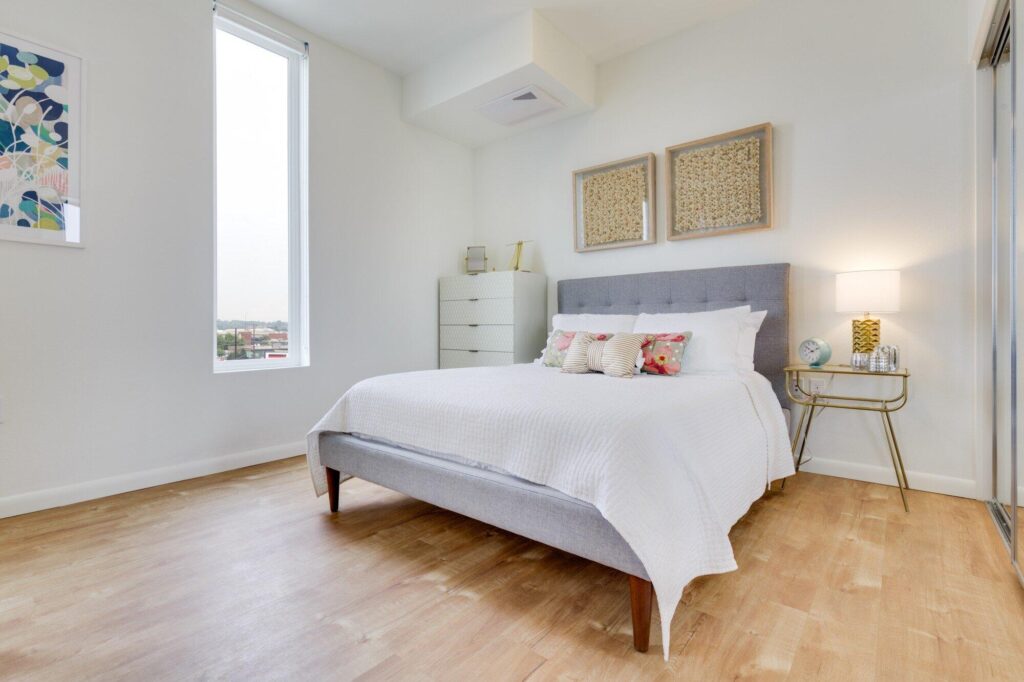
Have you ever stepped into a room and felt brighter or more relaxed right away? This feeling often comes from smart design choices, especially the use of reflective designs. Reflective elements help bounce light around a room and make spaces feel larger and more open.
They also add style and personality without needing major changes. When used the right way, reflective designs can completely change how a home or office feels.
Let’s explore this topic together. Read on!
What Are Reflective Designs?
Reflective designs use materials that catch and reflect light. These materials often include mirrors, glass, and metal finishes. They can be bold centerpieces or subtle accents, depending on how they are used.
It works well in both modern and classic interiors. They blend beauty with function by improving lighting and adding depth to a room. Understanding how these materials work together is the first step toward making smart design choices.
Choosing the Right Finish and Style
The finish of a reflective surface affects how much light it reflects. Highly polished surfaces reflect more light and create a clean, bright look, which is why many homeowners look to mirrors Sydney for modern interior inspiration. Softer or textured finishes reflect less light and feel more relaxed.
Choosing the right finish helps balance the room so it does not feel too shiny or too dull. The style of the reflective piece should also match the rest of the room to keep the design looking natural and well planned.
Size and Placement Matter
Size plays a big role in how reflective designs impact a space. Large mirrors can make small rooms feel wider and taller. Smaller reflective pieces can add interest without taking over the room.
Placement is just as important as size. It works best when placed near windows or light sources and this allows them to spread light throughout the room and make it feel brighter. Thoughtful placement helps avoid glare while still improving the overall look.
Using Reflective Designs to Enhance Light
One of the biggest benefits of reflective designs is how they improve lighting. In rooms with limited natural light, these surfaces can help make the space feel more open and cheerful. A mirror placed across from a window can reflect daylight and brighten dark corners.
Even artificial light can feel stronger when reflected off glass or metal surfaces. This makes reflective designs a great choice for hallways, bedrooms, and smaller living areas.
Adding Style With Reflective Elements
Reflective designs are not only practical, but they are also stylish. Mirrored furniture can add elegance without feeling heavy. Reflective wall pieces can turn a plain wall into a focal point.
Smaller accents made of glass or metal can add sparkle and detail to shelves or tables. These elements work together to create a layered and interesting look. When used with care, reflective designs feel intentional and balanced rather than overwhelming.
Bringing Light and Life Into Your Space
Reflective designs are a powerful tool in interior décor. They improve lighting, create the feeling of more space, and add visual interest. With thoughtful choices, these designs can make any room feel fresh and inviting.
Whether you are making small updates or planning a full redesign, reflective elements can help bring light, warmth, and style into your space. This is just the beginning! Uncover more insights in our blog.