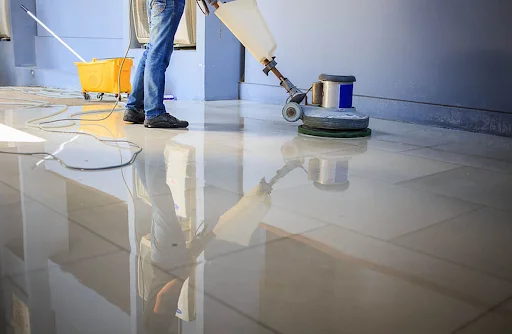
Tile & stone cleaning mistakes are more common than most homeowners realize. Many people believe that all floors can be cleaned the same way, but this is not true for tile and stone surfaces. These materials may look strong, but they can easily get damaged if the wrong cleaning methods are used.
The biggest problem is that homeowners often clean based on guesswork or online hacks. Over time, this leads to dull surfaces, stains, cracks, and expensive repairs. The good news is that most damage happens because of simple and avoidable mistakes.
This article explains the most common tile and stone cleaning mistakes and shows how homeowners can avoid them. By understanding what not to do, you can protect your floors, keep them looking new, and increase their lifespan without stress.
Table of Contents
- Understanding Tile & Stone Before Cleaning
- Mistake #1: Using Harsh or Acidic Cleaners
- Mistake #2: Treating All Tile & Stone the Same
- Mistake #3: Ignoring Grout Lines
- Mistake #4: Overusing Water or Steam
- Mistake #5: Skipping Regular Maintenance
- Best Practices for Safe Tile & Stone Cleaning
- Simple Cleaning Do’s & Don’ts
- Conclusion
- FAQs
Understanding Tile & Stone Before Cleaning
Before cleaning any floor, it is important to understand what type of surface you have. Tile and stone are not the same, and each material reacts differently to water, chemicals, and pressure.
Types of Tile
Tile is usually man-made and comes in different forms:
- Ceramic tile softer and easier to clean
- Porcelain tile denser and more water-resistant
- Glazed tile has a protective coating
These tiles are generally durable, but strong cleaners can still damage their finish.
Types of Stone
Stone floors are natural materials, such as:
- Marble
- Granite
- Limestone
- Travertine
Tile & Stone Cleaning Carlsbad, CA is porous, which means it can absorb water and chemicals. Because of this, stone needs extra care compared to regular tile.
Why Does This Matters?
When homeowners do not understand their flooring type, they often use the wrong products. This is one of the main reasons floors lose shine, develop stains, or get rough patches over time.
Mistake #1: Using Harsh or Acidic Cleaners
One of the most damaging habits is using strong or acidic cleaners on tile and stone floors. Products like vinegar, bleach, or bathroom cleaners may seem effective, but they can cause serious damage.
Why Harsh Cleaners Are a Problem?
Acidic cleaners slowly eat away the surface of stone. This causes:
- Dull and faded appearance
- Permanent marks called etching
- Weakening of the surface
Even some store-bought cleaners can be too strong for natural stone.
Common Cleaning Myths
Many homeowners believe that “stronger means cleaner.” In reality, strong chemicals often do more harm than good, especially on delicate stone surfaces.
Safer Approach
Using gentle, surface-safe cleaning stone tile floors methods helps protect floors while still removing dirt. Soft tools and mild solutions are always a better choice than harsh chemicals.
Mistake #2: Treating All Tile & Stone the Same
Many homeowners believe that all tile and stone floors can be cleaned using one single method. This is one of the most common tile & stone cleaning mistakes. While floors may look similar, their materials and surfaces are very different.
Why Does One Method Not Work for All?
Ceramic and porcelain tiles are usually harder and less porous. Natural stone, on the other hand, is softer and absorbs moisture easily. When the same cleaner or tool is used on both, stone surfaces often get damaged.
For example, a cleaner that works fine on porcelain may cause dull spots or stains on marble or limestone. This damage often does not show immediately but becomes visible over time.
Surface Finish Also Matters
Some floors have polished finishes, while others are matte or textured. Scrubbing too hard on polished stone can remove its shine. Using rough brushes on textured surfaces can wear them down faster.
Simple Tip for Homeowners
Always know what type of floor you have before cleaning it. Using the wrong method may save time at first but can lead to costly repairs later.
Mistake #3: Ignoring Grout Lines
Many people focus only on the tile or stone surface and forget about the grout. Grout lines may seem small, but they play a big role in the overall look and hygiene of the floor.
Why Grout Gets Dirty Quickly?
Grout is porous, which means it absorbs dirt, moisture, and spills easily. Over time, this causes grout lines to turn dark and uneven, even if the tiles look clean.
Problems Caused by Dirty Grout
When grout is ignored, it can lead to:
- Bad odor
- Mold and bacteria growth
- Loose or cracked grout
This not only affects appearance but can also create health concerns inside the home.
Common Grout Cleaning Mistakes
Scrubbing grout with hard brushes or harsh chemicals can weaken it. This often results in crumbling grout that needs replacement.
Better Grout Care
Gentle cleaning and regular attention help keep the grout strong and clean. When grout is cared for properly, the entire floor looks fresher and lasts longer.
Mistake #4: Overusing Water or Steam
Many homeowners think that using more water means better cleaning. In reality, too much water can cause serious problems for tile and stone floors.
Why Is Excess Water Harmful?
Tile and stone surfaces may look solid, but water can seep into small gaps and grout lines. When moisture stays trapped underneath, it can lead to:
- Stains under the surface
- Loose tiles
- Mold growth
Natural stone is especially sensitive to water because it absorbs moisture easily.
Steam Cleaning Risks
Steam cleaners are often used without understanding the surface type. High heat and moisture can weaken grout and damage stone finishes over time.
Safer Cleaning Approach
Using a damp mop instead of soaking the floor helps control moisture. Controlled cleaning keeps floors safe and prevents long-term damage.
Mistake #5: Skipping Regular Maintenance
Another major problem is cleaning floors only when they look very dirty. Waiting too long between cleanings is one of the biggest tile & stone cleaning mistakes homeowners make.
Why Regular Care Matters?
Dust and dirt act like sandpaper. When people walk on dirty floors, tiny particles slowly scratch the surface. Over time, this causes:
- Loss of shine
- Rough texture
- Permanent wear
Reactive vs Preventive Cleaning
Reactive cleaning means fixing damage after it happens. Preventive care focuses on small, regular habits that protect the surface before damage starts.
Simple Maintenance Habits
Small actions like wiping spills quickly and gentle weekly cleaning can greatly extend the life of tile and stone floors.
Best Practices for Safe Tile & Stone Cleaning
Cleaning tile and stone does not have to be complicated. Following basic best practices helps avoid damage and keeps floors looking fresh.
Daily Care Tips
- Sweep or dust regularly
- Clean spills immediately
- Avoid dragging heavy furniture
Weekly Cleaning Tips
- Use gentle cleaning tools
- Avoid strong chemicals
- Clean grout lightly, not aggressively
What to Avoid?
- Acidic cleaners
- Rough brushes
- Too much water
Simple Cleaning Do’s & Don’ts
| Do’s | Don’ts |
| Use gentle cleaning methods | Use harsh or acidic cleaners |
| Clean spills quickly | Let moisture sit on floors |
| Know your surface type | Treat all floors the same |
| Maintain floors regularly | Wait until floors look damaged |
Conclusion
Tile and stone floors can last for many years if they are cleaned the right way. Most damage happens slowly because of small, repeated tile & stone cleaning mistakes like using harsh cleaners or ignoring grout. With gentle cleaning and regular care, floors stay strong and fresh for longer. Homeowners who prefer expert help may rely on experienced professionals, such as Silver Olas, who use safe, surface-friendly methods to protect the natural look of tile and stone floors.
FAQs
1. Can I use vinegar to clean tile and stone floors?
Vinegar should not be used on natural stone. It is acidic and can damage the surface, causing dull spots and permanent marks.
2. How often should tile and stone floors be cleaned?
Light cleaning can be done weekly, while deeper care depends on foot traffic and usage. Regular maintenance helps avoid heavy buildup.
3. Is steam cleaning safe for stone floors?
Steam cleaning can be risky for natural stone and grout. Too much heat and moisture may cause long-term damage.
4. Why does grout get dirty so fast?
Grout is porous and absorbs dirt and moisture easily. Without regular care, it can darken and weaken over time.
5. When should professional cleaning be considered?
Professional help is useful when floors look dull, stained, or uneven, or when homeowners want safe care for delicate surfaces.