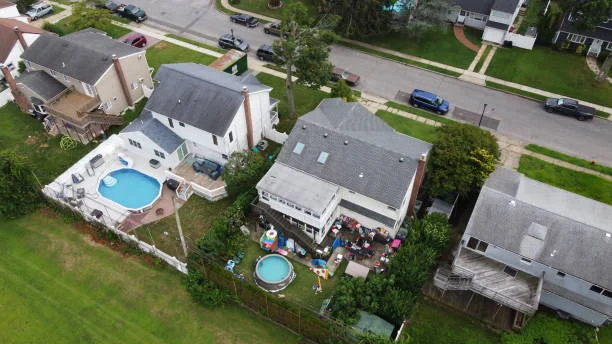
Climate goals can sound big and distant, but they start at home. On Long Island, homes use a large share of energy for heating, cooling, and daily living. When homes waste energy, emissions rise, costs go up, and progress slows. Aligning residential homes with climate objectives is not optional—it is necessary.
NYSERDA Energy Services play a key role in helping homes move in the right direction. These services focus on practical steps that lower energy use, improve comfort, and support long-term climate goals. Instead of asking homeowners to figure it out alone, the program connects everyday home upgrades with broader environmental targets. This article explains how NYSERDA Energy Services help align residential homes with Long Island’s climate objectives in clear, simple terms.
Understanding Long Island’s Climate Objectives
Why Long Island Faces Unique Energy Challenges
Long Island has older housing stock, seasonal weather extremes, and high energy demand. Many homes were built before modern efficiency standards. Poor insulation, air leaks, and outdated systems are common.
These factors make it harder to reduce emissions without focused energy efficiency efforts.
How Climate Objectives Shape Residential Energy Goals
Climate objectives focus on lowering greenhouse gas emissions, reducing energy waste, and improving resilience. Homes are central to this plan because small improvements across many houses add up to big results.
Energy efficiency is often the fastest and most affordable path forward.
The Role of NYSERDA Energy Services in Residential Energy Alignment
Connecting Homes to Statewide Climate Strategy
NYSERDA Energy Services act as a bridge between climate policy and real homes. The services turn high-level climate goals into clear actions homeowners can take.
This alignment ensures that climate progress happens at the neighborhood level, not just on paper.
Focusing on Measurable Energy Reductions
Climate objectives depend on real data. These services prioritize improvements that lead to measurable energy savings.
Lower energy use means fewer emissions tied to electricity and heating fuels.
Home Energy Assessments as the Starting Point
Identifying Where Homes Lose Energy
A home energy assessment shows how a house uses and loses energy. It looks at insulation, air sealing, heating systems, and overall performance.
This step is essential for aligning upgrades with climate goals instead of guessing.
Creating a Roadmap for Climate-Friendly Improvements
Assessments help prioritize actions that deliver the biggest impact. This avoids wasted effort and focuses resources where they matter most.
Smart planning leads to better climate outcomes.
Improving Building Envelope Efficiency
Insulation and Air Sealing Benefits
Insulation and air sealing help homes keep heat inside during winter and block heat in summer. This reduces the need for constant heating and cooling.
Lower demand directly supports emission reduction goals.
Supporting Long-Term Climate Performance
Once insulation is improved, benefits last for decades. This makes building envelope upgrades a strong climate investment.
Energy savings continue year after year.
Reducing Heating and Cooling Energy Demand
Addressing the Biggest Energy Users in Homes
Heating and cooling systems often use the most energy in a home. Improving efficiency here has an outsized climate impact.
Efficient systems need less fuel and electricity to deliver the same comfort.
Supporting Seasonal Energy Stability
Efficient homes handle extreme weather better. This reduces energy spikes during heat waves and cold snaps.
Stable demand supports grid reliability and climate resilience.
Lowering Residential Emissions Through Energy Efficiency
Energy Use and Emissions Are Directly Linked
Every unit of energy saved reduces emissions from power generation. This link makes efficiency one of the strongest climate tools.
NYSERDA Energy Services focus on reducing use before adding new energy sources.
Supporting Cleaner Energy Integration
Efficient homes are better prepared for clean energy options. Lower demand makes it easier for renewable energy to meet household needs.
Efficiency sets the foundation for a cleaner energy mix.
Improving Home Comfort While Supporting Climate Goals
Comfort Drives Participation
People care about comfort. Drafty rooms, uneven temperatures, and high bills discourage climate-friendly behavior.
When homes feel better, residents are more likely to support efficiency efforts.
Climate Action That Improves Daily Life
Energy efficiency is climate action that people can feel. Warmer winters, cooler summers, and quieter homes improve quality of life.
This makes climate goals more relatable and achievable.
Supporting Energy Equity Across Long Island
Addressing Energy Burden in Residential Communities
The energy burden hits some households harder than others. High bills take up a larger share of income in many homes.
NYSERDA Energy Services in long island help reduce this burden while supporting climate goals.
Aligning Climate Action With Fairness
Climate progress must be inclusive. Helping all households improve efficiency ensures benefits are shared.
Equitable energy efficiency strengthens community-wide climate impact.
Strengthening Housing Stock for Long-Term Sustainability
Improving Older Homes for Modern Climate Needs
Many Long Island homes were built before energy efficiency was a priority. Upgrading these homes is critical.
Efficiency improvements extend the life and performance of existing housing.
Preventing Future Energy Waste
Fixing problems early prevents larger issues later. Air leaks and poor insulation worsen over time.
Preventive upgrades protect both homes and climate goals.
Supporting Regional and National Energy Guidelines
Alignment With Trusted Energy Standards
Residential energy efficiency aligns with guidance from the U.S. Department of Energy and the Environmental Protection Agency.
These standards support safe, effective energy improvements.
Ensuring Safe and Responsible Implementation
Energy upgrades follow safety practices supported by OSHA. This protects residents and workers during improvements.
Safety and sustainability go hand in hand.
Reducing Strain on Energy Infrastructure
Lower Demand Supports Grid Stability
When many homes use less energy, the grid operates more smoothly. This reduces the need for new power plants.
Lower infrastructure demand supports long-term climate planning.
Helping Long Island Prepare for the Future
As energy systems change, efficient homes adapt more easily. This flexibility supports future clean energy goals.
Efficiency makes the energy transition smoother.
Encouraging Behavior Changes That Support Climate Goals
Education Creates Lasting Impact
Energy services help residents understand how daily habits affect energy use. Simple changes add up.
Awareness strengthens long-term climate alignment.
Building a Culture of Efficiency
When efficiency becomes normal, climate goals move closer. Households influence neighbors and communities.
Small actions spread through shared experience.
Measuring Progress Toward Climate Objectives
Tracking Energy Savings and Reductions
Energy savings data show how homes contribute to climate targets. Measurable results guide future planning.
Clear metrics build confidence in climate strategies.
Using Feedback to Improve Programs
Programs evolve based on results. What works gets expanded. What does not gets adjusted.
This continuous improvement strengthens climate alignment.
Overcoming Challenges in Residential Climate Alignment
Awareness and Participation Barriers
Some households may not know energy services exist or how to engage. Outreach remains important.
Clear communication helps expand impact.
Adapting to Changing Climate Conditions
Weather patterns and energy needs change. Programs must stay flexible.
Adaptability ensures long-term relevance.
Why Residential Alignment Matters More Than Ever
Homes as the Foundation of Climate Progress
Large climate goals depend on millions of small actions. Homes are where these actions happen.
Efficiency improvements turn goals into reality.
Long Island’s Path Toward a Lower-Carbon Future
By aligning homes with climate objectives, Long Island builds a cleaner, more resilient future.
Residential energy efficiency is a key driver of this progress.
Conclusion: Connecting Homes to Long Island’s Climate Future
Aligning residential homes with climate objectives requires practical action, not just policy statements. NYSERDA Energy Services help make this alignment real by improving efficiency, lowering emissions, and enhancing comfort across Long Island homes.
Through assessments, upgrades, education, and long-term planning, these services connect everyday living with broader climate goals. The result is reduced energy use, stronger communities, and steady progress toward a more sustainable future. When homes work better, climate objectives move closer—and everyone benefits.