Introduction: Smarter DIY Choices for Modern Homes
DIY home improvements remain one of the most popular ways for homeowners to improve comfort, functionality, and property value. With access to better materials and online resources than ever before, many projects that once required trades can now be completed by capable homeowners.
However, not all DIY projects are created equal. Improvements that involve structural elements or safety barriers require careful planning to ensure they meet regulations and perform as intended. The most successful DIY upgrades are those that enhance a home’s appeal without compromising safety or compliance.
Understanding Safety and Compliance Before You Start
Before beginning any DIY project, homeowners should familiarise themselves with local building codes and safety requirements. This is particularly important for projects involving:
- Elevated areas
- Pool zones
- Staircases
- Balconies and decks
Failure to comply with regulations can result in failed inspections, costly rectification work, or safety risks for occupants.
Planning for compliance from the outset ensures that DIY improvements remain an asset rather than a liability.
Popular DIY Projects That Boost Property Appeal
Certain DIY upgrades consistently deliver strong returns when done correctly. These include:
- Refreshing outdoor living areas
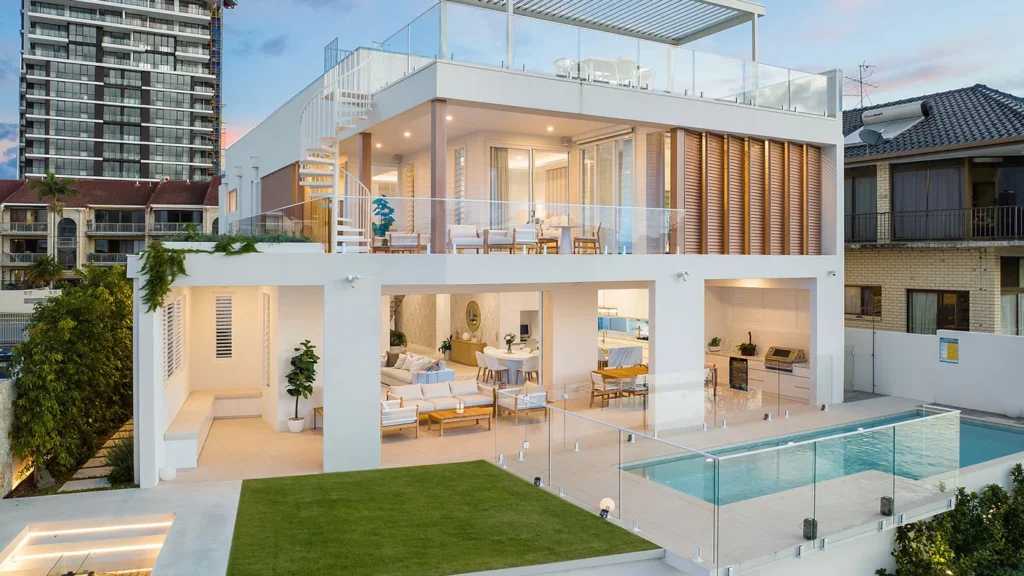
- Improving pool surrounds
- Upgrading balustrades and barriers
- Enhancing natural light and sightlines
These projects appeal to buyers because they improve both lifestyle and aesthetics without requiring major structural changes.
Why Glass Has Become a Preferred DIY Material
Glass has become increasingly popular in residential design due to its versatility and visual impact. In outdoor and pool areas, glass barriers provide safety while maintaining an open, modern feel.
Unlike traditional fencing materials, glass does not block views or interrupt architectural flow. When combined with quality hardware, glass systems can be both durable and visually striking.
For DIY projects, glass offers the added advantage of being modular — panels and fixings are designed to work together as part of a system, making planning more straightforward when guidelines are followed.
Planning a DIY Glass Installation Properly
Successful DIY glass installations begin with careful planning. Homeowners should assess:
- Substrate type and condition
- Panel dimensions and spacing
- Fixing methods
- Drainage and water run-off
- Exposure to wind and environmental loads
Accurate measurements and preparation are essential. Even small errors can result in misalignment or non-compliance.
Sourcing compliant glass pool fencing supplies ensures that panels and fixings are designed to meet safety standards and work together as intended.
Tools, Materials, and Preparation
DIY glass projects typically require specialised tools and materials, including:
- Precision drilling equipment
- Levelling tools
- Packers and shims
- Suitable fixings for the substrate
Preparation also involves ensuring that surfaces are level, structurally sound, and free from defects that could compromise fixings.
Following manufacturer instructions closely is critical to achieving a safe and professional result.
Where DIY Works – and Where It Doesn’t
While many homeowners successfully complete glass fencing installations themselves, it is important to recognise the limits of DIY.
DIY installation may be suitable for:
- Straightforward pool fencing runs
- Simple layouts on concrete slabs
- Low-wind exposure areas
Professional assistance may be required when dealing with:
- Complex layouts or curves
- Sloping or uneven substrates
- Elevated or high-wind locations
- Structural uncertainties
Knowing when to seek advice can prevent mistakes that compromise safety or compliance.
Avoiding Common DIY Mistakes
Some of the most common DIY errors include:
- Incorrect spacing between panels
- Using unsuitable fixings
- Inadequate edge distances
- Failing to account for movement or load
These mistakes can lead to failed inspections or unsafe installations. Taking time to plan thoroughly and double-check measurements significantly reduces risk.
Maintenance and Long-Term Safety
DIY projects should be approached with long-term performance in mind. Glass installations require minimal maintenance, but regular inspections are recommended to ensure fixings remain secure.
Cleaning glass panels to maintain visibility and checking hardware for signs of wear helps preserve both safety and appearance over time.
Adding Value Through Smart, Compliant DIY Choices
DIY improvements can add substantial value when executed correctly. Buyers increasingly look for homes with modern safety features that do not compromise design.
Glass fencing around pools and outdoor areas is widely perceived as a premium feature, particularly when it is clearly compliant and well-maintained.
By prioritising safety, compliance, and quality materials, homeowners can ensure their DIY efforts deliver lasting value.
Final Thoughts: DIY With Confidence and Care
DIY home improvements offer a rewarding way to enhance both lifestyle and property appeal. When projects involve safety elements, careful planning and the right materials are essential.
Glass systems demonstrate how modern materials can be successfully incorporated into DIY projects when guidelines are followed. With the right approach, homeowners can achieve professional-looking results that enhance safety, aesthetics, and long-term value.