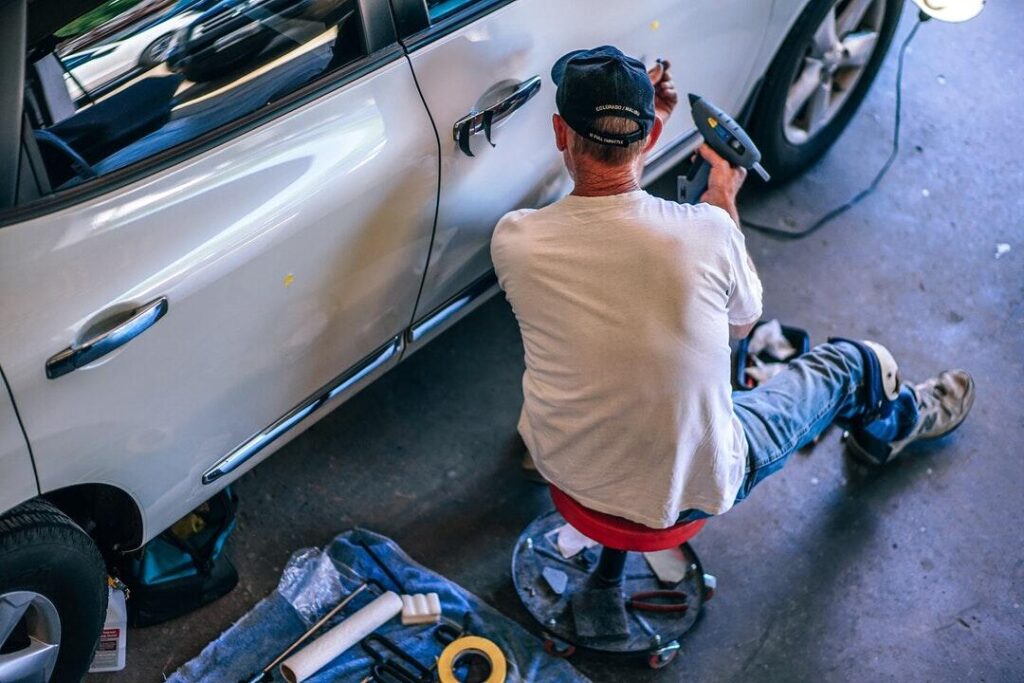
Whether you’re an auto enthusiast keen on keeping your vehicle in top shape or a casual driver wanting to maintain your investment, mastering dent repairs is vital. Dents can happen for various reasons, maybe you accidentally bumped into something, a hailstorm just visited your town, or perhaps kids were playing a little too close to your parked car.
Knowing how to effectively handle these issues will not only save you money but also help you feel more in control of your vehicle’s appearance.
With the right gear for dent repairs, you can ensure that your car looks its best without breaking the bank.
Understanding the Basics of Dent Repairs
The first step in mastering dent repairs is to understand the types of dents that may affect your vehicle. Dents can be categorized as shallow or deep based on their severity.
Shallow dents are usually less than a quarter-inch deep and can often be fixed without professional help. They might come from minor incidents, like doors being bumped or shopping carts colliding with your vehicle. Deep dents, on the other hand, require more precision and special techniques to repair effectively.
Having a clear understanding of the types of dents enables you to select the right techniques and gear for repairs.
The Essential Gear for Dent Repairs
When it comes to tackling dent repairs, having the right gear can make a world of difference. Below are some of the essential tools every auto enthusiast should have in their repair kit.
PDR Tools
PDR stands for Paintless Dent Repair, which is a technique used to remove dents without affecting the factory paint. These tools are crucial for anyone wanting to maintain their vehicle without compromising its original look. Using PDR tools involves the use of metal rods or other specialized equipment to massage the dent out from behind the panel.
There are various types of PDR tools available, including dent pullers, rods, and taps. Each serves a different purpose, and having a well-rounded collection will enable you to tackle various dent types effectively.
Heat Gun
A heat gun is essential for softening the metal or plastic around the dent. This can make it easier to manipulate the material back into its original shape.
However, be careful when using a heat gun; too much heat can damage your car’s paint. A heat gun is particularly effective when combined with PDR methods.
Glue Puller Kit
Another vital gear is the glue puller kit. This kit typically includes various sizes of tabs and a glue gun designed for automotive repairs.
You apply hot glue to the tab, stick it onto the dent, and then pull the tab to remove the dent carefully. This method is incredibly effective for shallow dents and can be done quickly.
Tools for Finishing
Once you’ve successfully pulled a dent, you might need finishing tools for polishing the area. These can include sanders, polishers, and detailing supplies to ensure that your repair is as pristine as possible.
Tips for Successful Dent Repair
Knowing how to use each tool is as important as having the right tools in your kit. Here are some tips to make your dent repair process smoother and more effective.
Plan Your Approach
Before diving into a repair, take a moment to assess the situation. Determine the severity of the dent and decide which tool will yield the best results. Planning your approach reduces the guesswork and increases the chances of a successful repair.
Practice Makes Perfect
If you’re new to dent repairs, consider practicing on scrap metal or an old car door. This will help you get a feel for the tools and techniques involved without risking damage to your own vehicle. Like any skill, the more you practice, the better you will become.
Stay Calm and Patient
Dent repairs can be frustrating, especially if the results aren’t coming out as expected. Staying calm allows you to troubleshoot issues more effectively, while being patient helps ensure you don’t rush through the process and end up creating more problems.
Work in a Controlled Environment
Lighting, temperature, and space all affect the repair process. Working in a well-lit area helps you see the dent clearly. A controlled environment reduces distractions and allows for more precise work.
Take Your Time with Finishing Touches
After the dent is removed, inspect the area carefully for imperfections. Small adjustments and polishing may be necessary to achieve a flawless finish. Taking the time to perfect the repair gives your vehicle a professional look.
The Benefits of Mastering Dent Repairs
Mastering dent repairs offers more than just aesthetic improvements. Here are several important benefits:
Cost Savings
Bringing your car to a shop for dent repairs can set you back hundreds of dollars, depending on the severity. By learning how to repair dents yourself, you can save a significant amount of money over time. Many auto enthusiasts find that the initial investment in gear pays for itself within the first few repairs.
Enhanced Vehicle Lifespan
Regularly tending to dents and dings can enhance the lifespan of your vehicle’s exterior. Keeping your car free from dents not only maintains its appearance but also helps protect it from rust and other forms of deterioration. This proactive approach leads to a longer-lasting vehicle.
Boost in Confidence
There’s something fulfilling about mastering a new skill. Successfully executing dent repairs can boost your confidence as an auto enthusiast. Knowing you can maintain your car without professional help enables you to tackle new challenges with ease.
Improved Vehicle Resale Value
A car with a well-maintained exterior retains higher resale value. Learning to fix dents promptly prevents long-term damage that could lower the car’s market price. Potential buyers are more likely to pay a premium for a vehicle that looks cared for.
Skill Development and Personal Satisfaction
Dent repair involves precision, patience, and problem-solving skills. Mastering these techniques allows you to improve your overall automotive repair abilities. The sense of accomplishment from completing repairs yourself adds personal satisfaction.
Emergency Preparedness
Being able to repair minor dents gives you the ability to handle unexpected situations. You won’t have to rely on a shop when small accidents occur. This skill can save time and reduce stress in emergencies.
Ready to Dive into Dent Repairs?
Mastering dent repairs is a practical skill that every auto enthusiast should consider. With the right gear and techniques, you can effectively reduce stress associated with car maintenance and keep your vehicle looking great. Take the time to invest in quality tools and practice regularly.
Visit our website for more.