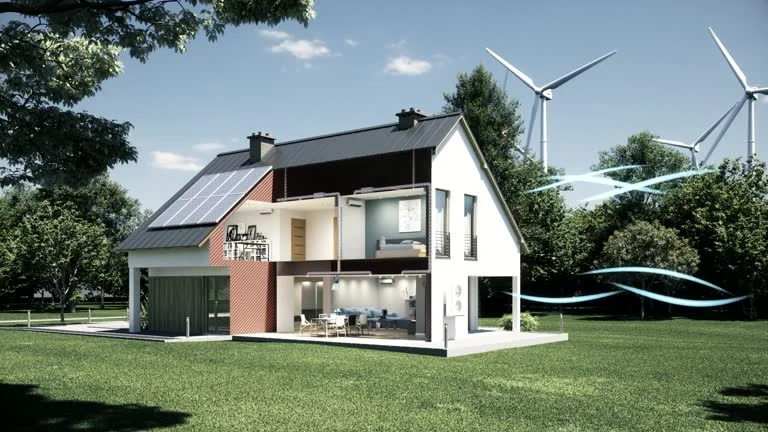
The clean-energy revolution has accelerated quickly over the past decade, but 2025 marks a major turning point. Homeowners today are no longer choosing solar panels, wind systems, or energy-efficient appliances simply for lower electricity bills—they’re choosing them because the future of housing is changing. With rising energy costs, new state incentives, and advanced engineering solutions, modern homes are being redesigned to be smarter, greener, and far more cost-efficient.
One of the biggest questions homeowners still ask is how much energy their appliances actually consume. For instance, a refrigerator is often the largest continuous-running appliance in the home. Knowing how many watts a refrigerator uses helps families calculate their baseline usage and understand how much power they truly need when considering solar or hybrid energy systems. These kinds of calculations make it much easier to design smart energy plans—especially when combined with other green technologies.
Solar Power Becomes a Mainstream Home Upgrade
Five years ago, solar panels were considered a luxury upgrade. Today, they are a practical necessity. With the cost of solar equipment dropping steadily and incentives increasing, thousands of homeowners are making the switch.
Before investing, however, many consumers ask a crucial question: “How much do solar panels actually cost in 2025?” The latest market analysis breaks down the pricing structure in detail, helping homeowners understand the real lifetime value of clean energy. You can explore a full breakdown in How Much Do Solar Panels Cost?
But the price is only half of the equation—what truly motivates homeowners are the long-term savings. Solar panels typically last 25–30 years, meaning the initial investment pays itself back many times over. As grid electricity rates rise, residential solar becomes even more appealing.
Engineering Innovations Pushing Renewable Energy Forward
A major reason clean energy systems have become more reliable is the rapid advancement in engineering fields. For example, electrical engineers have been central to improving inverter efficiency, energy-storage systems, micro-grid design, and home automation technology.
Students and professionals considering an engineering career often wonder whether the field is challenging. Articles such as Is Electrical Engineering Hard? help provide clarity on the academic and career difficulties, while also emphasizing the growing opportunities within renewable-energy sectors.
Mechanical engineers have also played an equally important role. Their contributions in designing solar mounts, optimizing turbine aerodynamics, and developing cooling systems for power electronics have shaped the industry’s rapid growth. A deeper dive into the field is discussed in Is Mechanical Engineering Hard? —an excellent resource for newcomers evaluating whether the discipline suits their strengths.
Small Wind Turbines: A Complementary Renewable Option
While solar energy dominates residential installations, small wind turbines are gaining traction in rural and off-grid areas. They offer a consistent power source during nighttime and cloudy weather, balancing the natural fluctuations of solar energy. Homeowners are becoming more interested in hybrid systems that combine both.
A complete beginner-friendly guide can be found here: Small Wind Turbines – Everything You Need to Know. These systems work best for properties with open land and steady wind currents, and when paired with solar, they can provide near-independent energy freedom.
2025 Solar Incentives: Maryland Leads the Way
One of the biggest reasons homeowners are acting now is the generous state-level incentives available in 2025. Maryland, in particular, has emerged as one of the most supportive states for solar adoption, offering tax credits, rebates, and net metering programs.
Homeowners ready to switch can consult Solar Installation Services in Maryland for professional installation support and detailed guidance. Local installers ensure compliance with building codes, provide optimal panel placement, and offer maintenance packages that extend system life.
Additionally, residents living in the Baltimore region can access specialized solar support for their area through Solar Installation Services in Baltimore Maryland. These localized services help homeowners navigate city-specific requirements while maximizing energy production.
A Cleaner, Smarter Future for Homeowners
Energy independence, sustainability, and long-term savings have become top priorities for modern homeowners. With engineering innovations accelerating and state incentives expanding, 2025 represents the most accessible point in history to transition toward renewable energy.
Whether you’re exploring the cost of solar systems, learning how much energy your appliances consume, or considering professional installation services, the path to a greener home has never been clearer. The future is clean energy — and it starts with making informed decisions today.