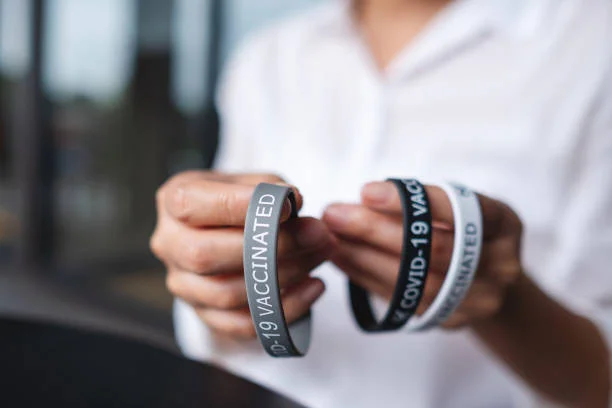
Event management has transformed dramatically over the past decade, and wristbands for events have evolved far beyond simple admission tickets. Today’s event wristbands incorporate technology, sustainability initiatives, personalization features, and experiential elements that enhance attendee engagement while streamlining operations.
Understanding these emerging trends helps event organizers create memorable experiences that meet modern expectations. This article explores the key developments shaping how wristbands for events are being designed, implemented, and experienced in today’s dynamic event industry.
The Rise of Smart Wristbands and Technology Integration
RFID and NFC Technology
The most significant trend in wristbands for events involves embedding radio-frequency identification (RFID) or near-field communication (NFC) chips into bands. These smart wristbands transform admission control into a comprehensive event management system. Attendees simply tap their wristband at various touchpoints throughout the venue instead of fumbling with tickets, cash, or credit cards.
RFID-enabled event wristbands allow cashless payments at food vendors, merchandise stands, and bars. Attendees pre-load funds onto their wristband account, then spend by tapping at point-of-sale terminals. This system speeds up transactions dramatically, reduces cash handling for vendors, and provides valuable data about purchasing patterns and attendee movement throughout the venue.
Beyond payments, smart wristbands for events enable access control for different areas. VIP sections, backstage zones, or age-restricted areas can be secured with readers that only grant access to wristbands with appropriate credentials. This eliminates the need for multiple credentials or additional verification steps.
Social Media Integration
Modern event wristbands increasingly connect to social media platforms, allowing attendees to link their wristband to their social accounts during registration. Throughout the event, people can tap designated stations to automatically post updates, photos, or check-ins. This integration amplifies event visibility on social platforms while creating convenient sharing opportunities for attendees.
Some advanced wristbands for events even facilitate networking by allowing attendees to exchange contact information through simple wristband taps. This feature particularly benefits conferences, trade shows, and professional gatherings where connection-making drives attendance.
Sustainability and Eco-Friendly Materials
Biodegradable and Recycled Options
Environmental consciousness has become a major consideration for event organizers and attendees alike. The trend toward sustainable wristbands for events reflects this shift in values. Manufacturers now offer bands made from recycled materials, biodegradable substances, or renewable resources that decompose naturally after disposal.
Eco-friendly event wristbands might use recycled PET plastic, organic cotton, bamboo fiber, or even seed-embedded paper that attendees can plant after the event. These options reduce environmental impact while appealing to environmentally conscious consumers who increasingly factor sustainability into their event attendance decisions.
Reusable and Return Programs
Some festivals and venues have implemented reusable wristband programs where attendees receive a deposit refund when they return their band after the event. The venue cleans and reprograms the wristbands for future events, dramatically reducing waste. This trend particularly suits annual festivals with loyal returning audiences.
Personalization and Customization
Individual Customization at Scale
Technology now enables mass customization of event wristbands at reasonable costs. Attendees might receive bands featuring their names, social media handles, or personalized messages printed or engraved directly on the band. This personalization transforms a functional item into a keepsake that attendees want to preserve long after the event ends.
Custom event wristbands with individual attendee information also enhance security by making wristbands harder to transfer between people. The personalization creates ownership and connection that generic bands cannot match.
Interactive Design Elements
The latest wristbands for events incorporate interactive design features like color-changing materials that respond to temperature or UV light, LED lights that blink or change colors, or holographic elements that shift appearance from different angles. These eye-catching features make the wristbands themselves part of the event experience rather than merely functional tools.
LED wristbands synchronized to music create stunning visual effects at concerts, with entire crowds becoming part of the light show. Event organizers can program lighting patterns that pulse with music beats or display coordinated colors that enhance the atmosphere and create shareable moments for social media.
Enhanced Security Features
Multi-Layer Authentication
Security concerns have driven innovations in event wristbands that combine multiple authentication methods. Modern bands might feature visible design elements, UV-reactive inks visible only under special light, holographic security patterns, unique serial numbers, and embedded RFID chips. This multi-layered approach makes counterfeiting extremely difficult.
Sophisticated wristbands for events can also incorporate biometric verification, linking the wristband to fingerprints or photos taken during registration. High-security events or venues particularly benefit from these advanced authentication options that prevent unauthorized access or wristband transfer.
Real-Time Monitoring
RFID technology in event wristbands enables real-time tracking of attendee density throughout venues. Organizers can monitor which areas are becoming overcrowded and proactively redirect traffic or open additional spaces. This capability improves safety, enhances attendee comfort, and helps optimize venue layout for future events.
Data Collection and Analytics
Understanding Attendee Behavior
Smart wristbands for events generate valuable data about attendee behavior, preferences, and movement patterns. Organizers can see which stages attracted the most visitors, when food vendors experienced peak traffic, how long people spent in different areas, and which activities generated the most engagement.
This data-driven approach allows continuous improvement of event experiences based on actual behavior rather than assumptions. The insights inform decisions about vendor placement, scheduling, capacity planning, and resource allocation for future events.
Personalized Communications
Event wristbands connected to attendee profiles enable personalized communications during and after events. Organizers can send targeted messages about schedule changes, special offers from sponsors, or recommendations for performances based on previous choices. Post-event, the data helps create personalized marketing for future events based on demonstrated interests.
Comfort and Wearability Innovations
Ergonomic Design Advances
Modern wristbands for events prioritize comfort through ergonomic design improvements. Adjustable closures accommodate different wrist sizes without being too loose or too tight. Breathable materials prevent the sweaty, uncomfortable feeling of older plastic bands. Soft edges eliminate chafing even during extended wear at multi-day festivals.
Some event wristbands now feature stretch materials that move with your wrist rather than restricting movement. This flexibility particularly benefits active events like sports competitions, obstacle course races, or dance festivals, where attendees are constantly moving.
Style Considerations
Recognizing that attendees care about appearance, designers have elevated wristband aesthetics. Custom event wristbands now feature fashionable designs that people actually want to wear rather than merely tolerate. Sleek profiles, attractive color combinations, and thoughtful branding make modern bands more accessory than admission ticket.
Hybrid Functionality
Multi-Purpose Applications
Current trends see wristbands for events serving multiple functions simultaneously. A single band might handle admission, payments, social media integration, transportation access, and post-event perks. This consolidation simplifies the attendee experience while reducing the number of items people need to track during events.
Some festival wristbands include functionalities that extend beyond the event itself:
- Transit passes for public transportation to and from the venue
- Discount codes for local businesses during the event weekend
- Access to exclusive online content or live streams after the event
- Entry to pre-event meetups or post-event parties
- Loyalty points toward future event registrations
Contactless Health Screening
Following health concerns in recent years, some wristbands for events now incorporate temperature monitoring or health verification features. While adoption varies based on current health guidelines, the technology exists to integrate wellness checks into wristband systems when needed.
The Future of Event Wristbands
As technology advances and attendee expectations evolve, wristbands for events will continue to develop new capabilities. Artificial intelligence might enable predictive recommendations delivered through wristband-connected apps. Augmented reality features could overlay digital information onto physical spaces when attendees scan their wristbands. Blockchain technology might create verifiable, transferable digital tickets embedded in physical wristbands.
The trend toward seamless, technology-enhanced experiences shows no signs of slowing. Event organizers who understand and implement these innovations create competitive advantages that attract attendees seeking modern, convenient, and engaging event experiences.
Spotlight read: key insights and strategies you won’t want to miss today.