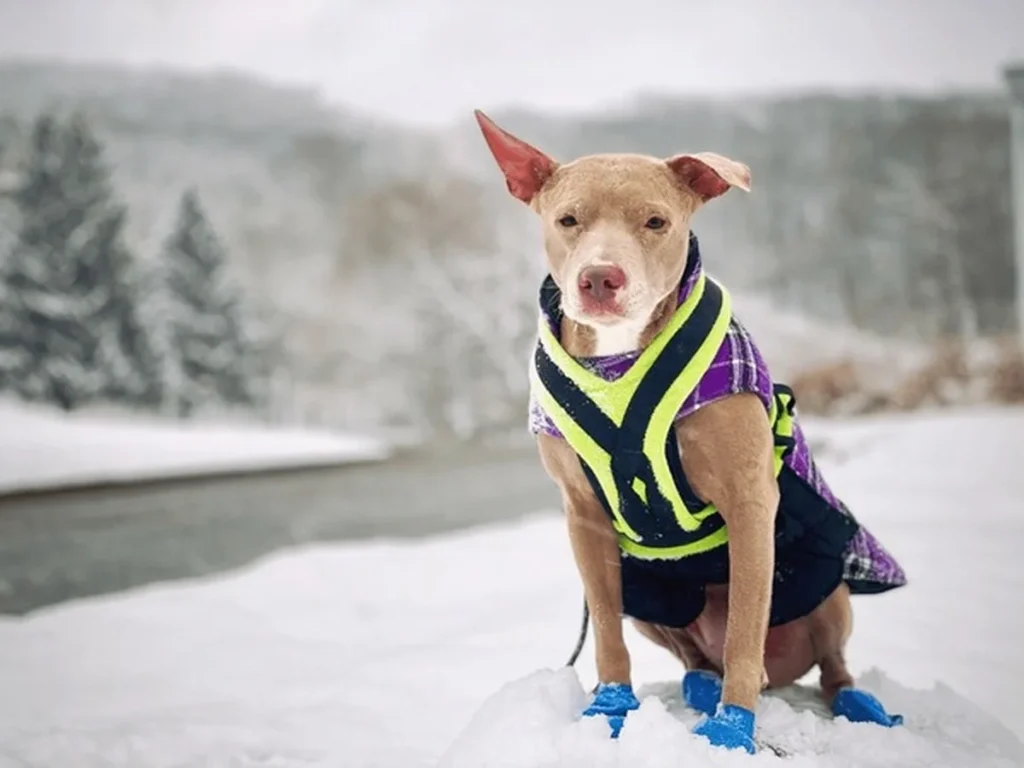
Cold weather can be exciting for dogs, especially when snow starts falling. Many dogs love running, jumping, and playing in winter. But while snow looks fun, it can be rough on a dog’s paws. Icy surfaces, freezing temperatures, and chemical salts used on roads can cause discomfort, dryness, and even injuries if paws are left unprotected.
This article explains why winter paw protection matters, how dog snow boots help, what to consider when choosing footwear for puppies, and how to make winter walks safer and more comfortable for your dog.
Why dogs need paw protection in winter
Dog paw pads are tough, but they are still sensitive to extreme weather. During winter, cold surfaces can dry out paw pads quickly, leading to cracks and soreness. Snow can get packed between toes, pulling on fur and making walking uncomfortable. Road salt and ice-melting chemicals are another major problem, as they can irritate paws and may be harmful if licked afterward.
Some dogs show discomfort clearly by lifting their paws or stopping during walks, while others continue walking even when their paws hurt. Over time, this can lead to injuries that take weeks to heal. That’s why many pet owners choose winter footwear as a preventive solution rather than waiting for problems to appear.
What makes dog snow boots useful in cold conditions
Winter boots for dogs are designed specifically to protect paws from harsh outdoor surfaces. Unlike lightweight dog shoes used for indoor grip or mild weather, snow boots focus on insulation, grip, and coverage.
Good-quality Dog Snow Boots help create a barrier between your dog’s paws and freezing ground. They reduce direct contact with ice, prevent salt from sticking to paw pads, and improve traction on slippery sidewalks. This not only protects the paws but also helps dogs feel more confident while walking in winter conditions.
Another advantage is consistency. When a dog wears boots regularly in winter, their paws stay healthier overall, reducing dryness and cracking caused by repeated exposure to cold.
Key features to look for in winter dog footwear
Not all dog boots are the same, and choosing the right features makes a big difference in comfort and performance.
A secure fit is the most important factor. Boots that are too loose tend to twist or fall off, while boots that are too tight can cause rubbing. Adjustable straps help keep the boot in place without restricting movement.
Traction is another critical feature. Winter surfaces are slippery, so a textured rubber sole helps dogs walk more naturally and safely. Flexibility also matters; boots should bend with the paw rather than forcing an unnatural step.
Water resistance is useful in snowy or slushy conditions. Dry paws stay warmer and are less likely to crack. Inside the boot, the lining should feel soft and smooth so it doesn’t irritate the skin during longer walks.
How to measure your dog’s paws correctly
Sizing issues are one of the main reasons people think dog boots “don’t work.” Measuring carefully helps avoid that problem.
To measure properly:
- Place your dog’s paw on a flat piece of paper while they are standing.
- Trace around the paw, including the nails.
- Measure the widest part of the tracing.
- Compare the measurement with the size chart provided by the brand.
It’s normal for front paws to be slightly larger than back paws, so measure more than one paw. A snug but comfortable fit usually works better than a loose one.
Helping your dog adjust to wearing boots
Most dogs need time to get used to boots. The funny high-stepping walk many dogs do at first is completely normal.
The best approach is gradual introduction. Let your dog sniff the boots first. Put them on for short periods indoors and reward calm behavior. Once your dog seems comfortable, try a short outdoor walk. Increasing wear time slowly helps dogs adapt without stress.
Keeping the experience positive is important. Treats, praise, and patience go a long way in helping your dog accept winter footwear as part of their routine.
Puppy shoes: special considerations for growing dogs
Puppies have softer paw pads and less experience with cold surfaces. They can be more sensitive to icy ground and chemical salts, which makes protection just as important as it is for adult dogs. However, puppies are also growing quickly, so footwear choices need extra thought.
Puppy footwear should be lightweight and comfortable rather than heavily insulated. Because puppies outgrow things fast, owners should expect to recheck sizing often. Short winter walks are usually enough, so ease of putting shoes on and taking them off matters more than extreme durability.
If you’re looking for gentle protection suitable for young dogs, puppy shoes are a practical starting point. They offer basic coverage while allowing puppies to move naturally and safely during early winter walks.
What to do if your dog refuses boots
Some dogs take longer to adjust, and a few may resist boots at first. If that happens, there are still ways to protect paws during winter.
Paw balms or waxes can reduce salt irritation and help prevent cracking, though they don’t offer the same level of protection as boots. Trimming excess fur between toes can also help prevent snow buildup, especially in long-haired breeds.
Shorter walks combined with rinsing paws in lukewarm water afterward can reduce exposure to harmful chemicals. Drying paws thoroughly is important to avoid moisture-related problems.
Final thoughts on winter paw care
Winter doesn’t have to mean uncomfortable walks for your dog. With the right paw protection, cold-weather outings can stay safe and enjoyable. Whether you choose insulated snow boots for harsh conditions or lighter shoes for a growing puppy, the goal is the same: protecting paws before problems start.
Frequently Asked Questions (FAQs)
Are dog snow boots really necessary in winter?
Dog snow boots are not mandatory for every dog, but they are very helpful in cold, icy, or salty conditions. They protect paws from freezing surfaces, sharp ice, and road chemicals that can cause irritation or cracking. Dogs that walk regularly on sidewalks or snowy paths benefit the most.
Can dogs walk normally while wearing snow boots?
Yes, most dogs can walk normally once they get used to them. At first, dogs may lift their legs higher or walk awkwardly, but this usually improves within a few short sessions. Proper fit and gradual training make a big difference.
How long can a dog wear snow boots?
Dogs can wear snow boots for the duration of a walk. However, they should not be kept on for long periods indoors. After walks, boots should be removed so paws can breathe and be checked for moisture or irritation.