Key Takeaways
- Window coverings improve light control, privacy, comfort, and energy efficiency.
- Many homeowners pair their window treatments for a more durable and balanced setup.
- The most popular options in the U.S. are blinds, shades, curtains, and layered window coverings.
- Choosing the right window coverings depends on room function, climate, and interior style.
- Quality window coverings add long-term value and improve daily comfort.
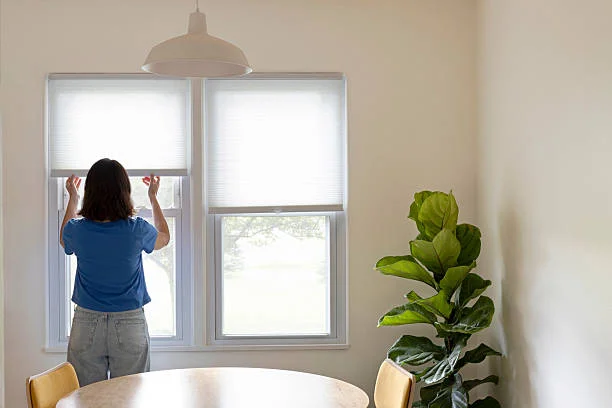
Window coverings play a major role in how a home looks and functions. They help manage sunlight, protect your interiors, and provide privacy while adding a finished look to each room. Many homeowners also combine their window treatments with Window Shutters to create a coordinated and long-lasting design.
If you want to upgrade comfort and appearance at the same time, Arise Real Estate Management advises that the right window coverings can make a noticeable difference.
Why Window Coverings Matter Today
Window coverings do more than decorate a space. They help regulate indoor temperature, soften harsh light, and make rooms feel more comfortable. Homeowners across the United States are choosing practical and easy-to-maintain options that offer both style and everyday convenience.
Whether you live in a warm southern state or a cooler northern region, window coverings allow you to adapt your home to seasonal changes. With multiple materials, colors, and designs available, it is easy to find a solution that fits your home.
Don’t miss this related story—perfectly connected to what you just read.
Popular Types of Window Coverings in the U.S.
1. Blinds
Blinds offer precise light control and suit bedrooms, kitchens, and offices. They come in wood, faux wood, aluminum, and vinyl. The adjustable slats allow you to manage sunlight without lifting the entire covering.
2. Shades
Shades create soft, filtered light. Roller shades, Roman shades, cellular shades, and solar shades are common choices. Cellular shades remain a top pick for homeowners who want better insulation.
3. Curtains and Draperies
Curtains bring color and texture into a room. Sheer, light-filtering, and blackout options allow you to choose the level of brightness and privacy you prefer.
4. Vertical Window Coverings
Vertical coverings work well for sliding doors and wide windows. They move smoothly and offer full coverage for larger openings.
5. Layered Window Coverings
Layering blinds with curtains or pairing shades with side panels has become a major design trend. This creates dimension and improves light control.
What U.S. Homeowners Look For in Window Coverings
Energy Efficiency
Many homeowners want products that help maintain indoor temperature. Insulating window coverings reduce heat transfer and support lower energy bills.
Privacy Control
Bedrooms, bathrooms, and front-facing windows need dependable privacy. Blackout curtains, roller shades, and blinds give you solid coverage.
Light Filtering
Glare can be a problem in living rooms and home offices. Window coverings help soften bright light and create a more comfortable environment for daily tasks.
Simple Operation
Motorized and cordless window coverings are increasingly popular for convenience and safety. They allow smooth adjustment and remove the need for cords.
Low Maintenance
Many Americans prefer window coverings that are easy to clean. Faux wood, vinyl blinds, and roller shades are known for low upkeep.
Neutral and Modern Styles
Neutral colors like white, beige, and charcoal continue to dominate because they work with most interior designs.
How to Choose the Right Window Coverings for Your Home
1. Focus on Room Function
Bedrooms benefit from blackout coverings. Living rooms usually need soft-filtering options. Kitchens require moisture-resistant materials.
2. Measure Carefully
Accurate measurements ensure a clean and custom fit. Layered window coverings work well for tall or wide windows.
3. Match Your Interior Style
Minimalist homes work well with simple blinds or roller shades. Traditional spaces often look better with layered fabrics and classic drapery.
4. Think About Long-Term Needs
Choose materials that are durable and easy to clean. Cordless designs are safer for homes with children or pets.
5. Consider Light and Climate Needs
Hot climates need UV protection. Cooler regions benefit from insulating shades that help keep warmth indoors.
Benefits of Quality Window Coverings
Quality window coverings offer more than visual appeal. They help control temperature, improve privacy, reduce noise, and protect furniture from fading. They also add to the overall value of your home and make each room more comfortable and functional.
Maintenance Tips for Window Coverings
- Dust blinds and shades on a regular schedule
- Vacuum fabric curtains with a soft attachment
- Clean stains promptly
- Avoid strong chemicals on delicate fabrics
- Make sure cords or mechanisms remain in good condition
These small tasks help window coverings last longer and keep their appearance.
FAQs (Google PAA Style)
1. What are the most popular window coverings in the United States?
Blinds, shades, curtains, and layered coverings are the top choices for most households.
2. Do window coverings help with energy savings?
Yes. Insulating coverings reduce heat loss in winter and block heat in summer.
3. What window coverings offer the most privacy?
Blackout curtains, roller shades, and certain blind styles work well for private spaces.
4. Are window coverings easy to install?
Most simple styles are easy to install, although oversized or custom coverings may take more time.
5. Which window coverings work best for patio doors?
Vertical coverings and panel track systems are ideal for wide doors and large windows.
6. Can window coverings block light completely?
Blackout shades and heavy curtains block the majority of sunlight.
7. Which window coverings require the least maintenance?
Roller shades, faux wood blinds, and vinyl materials need the least upkeep.
Conclusion
Window coverings are an important part of every modern home. They improve privacy, comfort, and energy efficiency while shaping the overall feel of each room. With styles ranging from blinds to layered treatments, homeowners can choose window coverings that match both their lifestyle and design preferences. If you want a simple way to enhance your home’s function and appearance, the right window coverings can make a meaningful impact.
Explore further and uncover stories that enrich your understanding today.