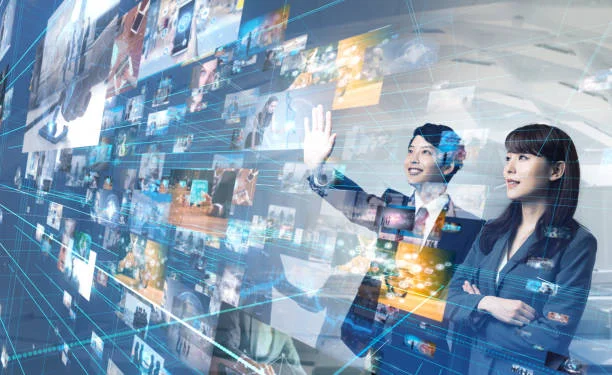
The world moved online fast. Companies adapted. Audiences shifted. And digital experiences took over. One term keeps showing up in conversations, proposals, and strategy decks: “virtual event production”. People hear it at meetings. They see it in service lists. They read it in marketing materials, but the meaning isn’t always clear. Let’s break it down in simple language. No fluff. No messy jargon. Just straight-to-the-point clarity.
Dive deeper into insights that matter—explore related stories curated for you!
What Virtual Event Production Really Means
Virtual event production is the process of creating organized, polished online experiences. Not simple video calls. Not random livestreams. These events feel structured. Professional. Tailored. They help brands connect with audiences anywhere in the world.
A strong virtual event has many layers. There’s planning. There’s a technical setup. There’s platform management. There’s visual design. There’s speaker support. And there’s execution. All those pieces merge into one seamless experience. The goal is simple: deliver an online event that feels high-quality and effortless for the viewer.
Why Companies Still Rely on Virtual Events
Companies love virtual events because they scale well. They reach more people. They reduce travel costs. They eliminate logistics headaches. Brands can interact with attendees from different countries in one place. No flights. No hotels. No shipping crates full of booth materials.
Virtual events also allow flexible scheduling. People can watch live or on demand. Employees can revisit training. Customers can catch sessions they missed. Stakeholders get more value from the same content.
Cost efficiency is a huge advantage. A well-produced virtual event costs less than an in-person conference. You don’t need catering. You don’t need security. You don’t need physical venues. Everything runs digitally.
The Role of Technology in Virtual Events
Technology makes or breaks a virtual event. Reliable streaming tools create smooth sessions. High-quality audio feels clean. Visuals look crisp. Chat features make the event feel interactive. Polls boost engagement. Breakout rooms mimic live networking.
Producers handle the tech behind the scenes. They run backups. They monitor streams. They assist speakers. They switch camera angles. They manage transitions. It’s a full operation that keeps everything under control.
Technical rehearsal matters too. Producers test microphones. They adjust the lighting. They troubleshoot lag. They prep presenters on where to look. They test screen shares. Every detail counts.
The Value of Strong Visual Design
Virtual events rely heavily on visuals. People expect polished graphics. Clean title cards. Organized slide decks. Looks matter. A bland event loses attention fast.
Designers create:
- Custom overlays
- Intro animations
- Branded backgrounds
- Lower-third titles
- Transition graphics
- Interactive media
These design pieces build identity. They help the audience recognize the brand instantly. A cohesive design increases trust and professionalism.
Different Types of Virtual Events
Virtual events come in many formats. Each type serves a different purpose.
Webinars
Webinars educate. They teach new skills. They introduce concepts. They break down ideas. Usually, one or two speakers lead the session. Viewers submit questions through chat.
Virtual Conferences
Virtual conferences mimic large in-person gatherings. They include keynote speakers. They have breakout rooms. They offer panel discussions. Attendees can move between sessions. This format feels dynamic and immersive.
Product Launches
Brands reveal new products through virtual events. They use high-energy visuals. They show demos. They run Q&A segments. A virtual launch lets brands reach global audiences instantly.
Employee Trainings
Companies deliver internal workshops through virtual events. Employees learn new tools. They receive company updates. They explore new processes. Virtual training helps teams stay aligned without needing travel.
Hybrid Events
Hybrid events mix live, in-person experiences with virtual access. Some attendees join onsite. Others join remotely. Producers manage both sides to ensure a unified experience.
Why Engagement Is the Heart of Virtual Events
Engagement determines whether a virtual event succeeds. People lose focus easily when staring at a screen. A strong event keeps users connected.
Popular engagement tools include:
- Live polls
- Quizzes
- Q&A windows
- Chat threads
- Interactive slides
- Breakout discussions
People feel part of the event when they can participate.
Gamification also helps. Attendees earn points. They complete challenges. They unlock sessions. These small incentives keep attention levels high.
Speakers Need Support Too
Many speakers aren’t tech experts. They don’t know how to fix audio delays. They forget to mute notifications. They panic when screens freeze.
Producers guide speakers through the entire process. They coach them on lighting. They adjust microphone placements. They help them frame their shot. They provide countdowns. They run rehearsals. They give cues during sessions.
Prepared speakers deliver better presentations. Their confidence shows. Their delivery improves. The audience stays engaged.
The Rise of Virtual Networking
Networking used to happen in hallways. Now it happens in chat rooms. People connect through breakout sessions. They join small-group discussions. They exchange messages inside event platforms.
Networking tools allow:
- Private messaging
- Group conversations
- Virtual business card exchanges
- Shared-interest rooms
- Social lounges
The experience feels structured and intentional. Some attendees even prefer virtual networking because it reduces social anxiety.
Metrics Matter More Than Ever
Virtual events produce a mountain of useful data. Producers track attendance. They watch engagement levels. They analyze drop-off points. They see which sessions perform best.
Companies use this data to improve future events. They adjust content. They change formats. They improve timing. They build stronger strategies over time.
Data removes guessing. It reveals what worked and what didn’t. Virtual events provide clearer performance insights than most in-person events.
Accessibility and Inclusivity
Virtual events open doors. People with mobility challenges can attend. People with tight schedules can join. People in different time zones can watch on demand. Captions support attendees with hearing difficulties.
Accessibility settings include:
- Closed captions
- Adjustable playback speed
- On-demand replays
- Screen-reader-friendly platforms
- Keyboard navigation
- Transcript downloads
These features create more inclusive experiences for all attendees.
The Future of Virtual Event Production
Virtual events won’t disappear. They’re too efficient. Too scalable. Too convenient. The technology keeps improving. Platforms evolve. Streaming gets smoother. AI tools help producers automate tasks. Events become more interactive.
Expect more hybrid events. Expect better virtual networking. Expect cleaner interfaces. Expect higher production value.
Virtual events will keep growing because they match the way people live and work today.
Why Companies Should Take Virtual Events Seriously
A sloppy virtual event reflects poorly on a brand. Bad audio discourages attendees. Laggy streams frustrate them. Unprepared speakers reduce credibility. Companies need professional production to avoid these problems.
A strong event boosts authority. It strengthens relationships. It showcases expertise. It builds trust.
Virtual event production isn’t just a technical task. It’s a strategic tool.
Final Thoughts
Virtual events changed how the world communicates. They made learning easier. They expanded their reach. They increased access. They reduced barriers. And they continue to evolve every year.
Strong production is the key. It turns simple livestreams into polished, professional experiences. It keeps audiences engaged. It supports speakers. It elevates brands. And it creates a lasting impact.
Virtual events aren’t a trend. They’re a permanent part of the digital landscape. Companies that embrace them gain a massive advantage. They connect better. They scale faster. They communicate more clearly.
Don’t miss our standout picks—see what’s trending and highly recommended today!