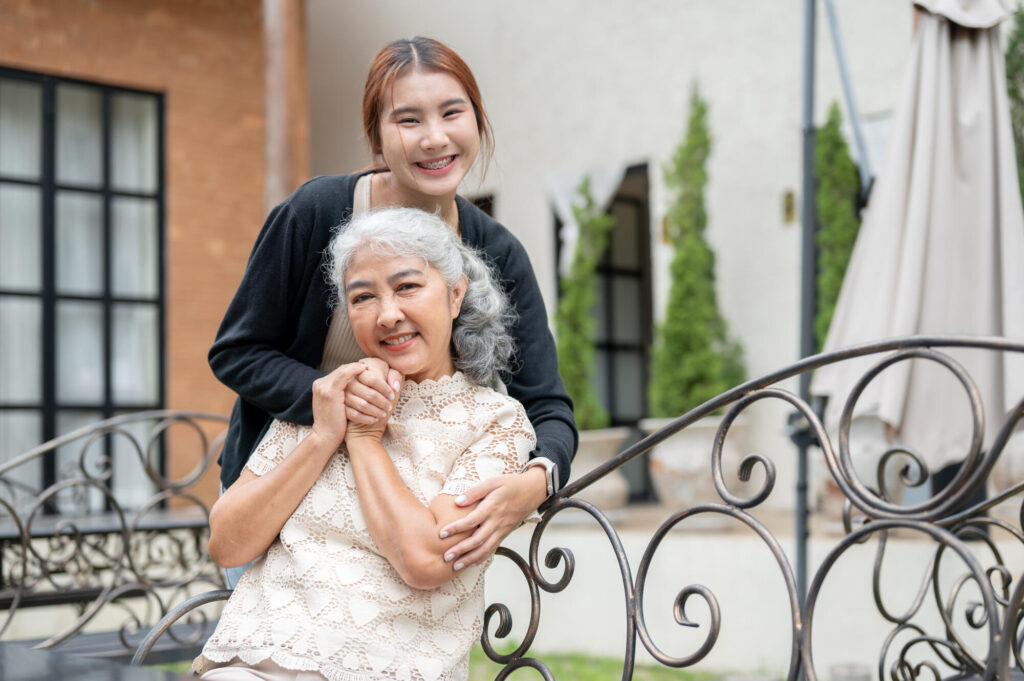
As people grow older, their needs-both physical and emotional-often change. While many seniors want to stay independent, they also benefit greatly from environments that offer warmth, support, and a sense of community.
Being in a caring, understanding setting can make a big difference in their health, happiness, and overall quality of life. Read on.
Emotional Well-being and Mental Health
Warm, supportive environments help seniors feel safe and valued. Loneliness is common among older adults, especially those who live alone or have limited mobility. Being part of a community with social programs, group activities, or friendly caregivers can help seniors feel connected.
Social interaction improves mood, keeps the mind active, and may even lower the risk of memory problems and depression. For example, participating in a weekly game night or attending a small group exercise class can help seniors:
- form friendships
- share experiences
- feel like they belong
When seniors feel emotionally secure, they are more confident and more willing to enjoy life. Visit one of the top facilities to learn more, such as why seniors feel at home.
Physical Health and Safety
Supportive settings also protect physical health. Seniors may face challenges such as weaker muscles, slower reflexes, or chronic illnesses. Environments that focus on safety help prevent accidents, such as:
- non-slip floors
- bright lighting
- handrails in hallways
- easy-to-reach facilities
Access to healthy meals, exercise programs, and regular health checkups keeps seniors strong and energetic. Many supportive communities also provide transportation to medical appointments or grocery stores, making daily life less stressful. Feeling safe allows seniors to live freely without constant worry about falling, getting hurt, or missing important medical care.
Opportunities for Growth and Engagement
A thriving environment offers more than safety-it also encourages seniors to stay active and engaged. Activities stimulate the mind and spark creativity, such as painting, music, gardening, and book clubs.
Learning new skills or contributing to the community gives seniors a sense of purpose. Even small opportunities, like leading a gardening workshop or helping organize a community event, can make a senior feel valued and accomplished.
Supportive environments also foster connections across generations, which enrich both seniors’ lives and those around them. Visiting schools, mentoring younger adults, or simply sharing stories with neighbors helps seniors stay socially active while passing on their wisdom.
A Sense of Belonging and Community
Feeling part of a caring community is one of the most important ways seniors thrive. Being respected, heard, and appreciated boosts self-esteem and resilience. Simple interactions-sharing meals, joining outings, or chatting with neighbors-create a strong sense of belonging.
Seniors who feel connected are more likely to participate actively in life, stay healthy, and enjoy their later years fully. Even small gestures, like a friendly greeting in the hallway or a volunteer-led activity, can make seniors feel noticed and appreciated.
Find the Right Place for Your Loved Ones
Warm and supportive environments are more than just nice places to live-they are essential for seniors’ overall well-being. They provide emotional comfort, keep seniors safe, encourage activity, and foster meaningful connections.
Seniors who live in these environments are happier, healthier, and more confident. As our population ages, creating communities that prioritize care, warmth, and connection is key.
If you want to read more articles, visit our blog.