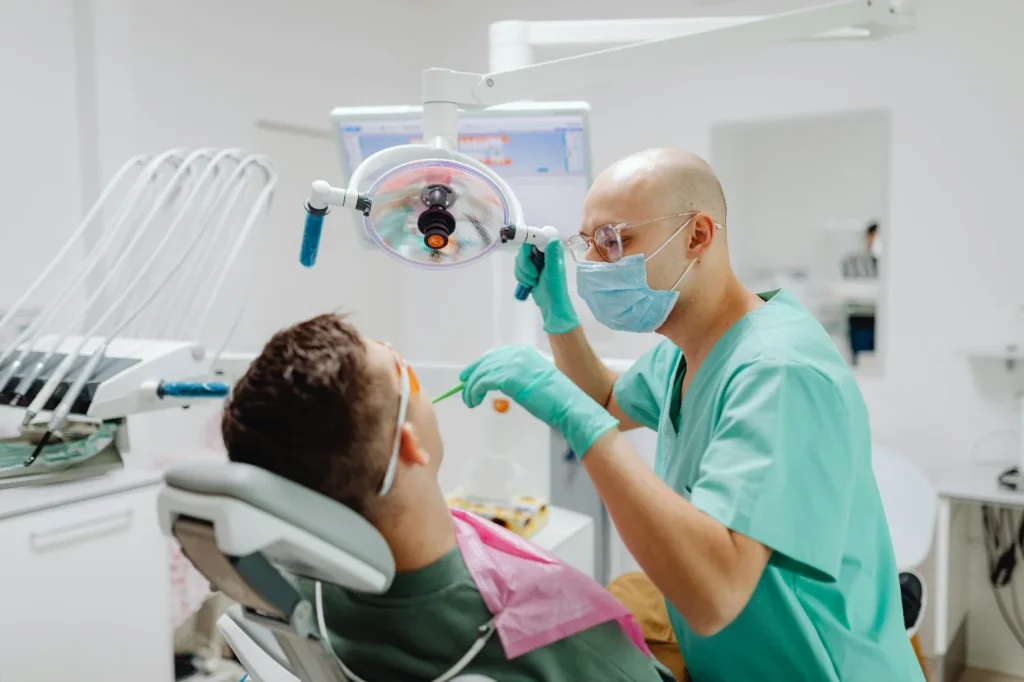
You know that feeling when you chew on one side of your mouth because the other side feels “a little off,” but you keep putting off the dentist anyway. It is easy to ignore small discomforts, especially when life is busy, and nothing feels urgent yet. A mild sensitivity does not seem worth rearranging your schedule.
Over time, though, those small issues tend to grow quietly. What begins as a skipped cleaning or a delayed checkup can turn into a filling, then a root canal, sometimes even more. Preventive dental care sounds routine, almost boring. Yet it carries more weight than most people realize.
Small Visits, Bigger Protection
Preventive care is not complicated. It usually means regular checkups, professional cleanings, and early screenings for problems that are not visible at home. These appointments are structured to catch issues before they turn painful or expensive. A dentist looks for early signs of decay, gum inflammation, and even oral cancer. Hygienists remove plaque buildup that brushing and flossing cannot fully handle.
Most of the time, nothing dramatic happens during these visits. That is the point. When prevention works, treatment is minimal. Teeth stay stable. Gums remain healthy. Patients leave with reassurance rather than a long treatment plan.
In many communities, trusted local practices focus heavily on this steady approach to oral health. Clinics like The Dental Team emphasize routine exams and cleanings as the foundation of care, rather than waiting for pain to drive patients through the door. The model is simple. Maintain regularly, intervene early, and avoid larger procedures when possible.
Why Problems Stay Hidden for So Long
Teeth do not always signal trouble clearly. A cavity can form without obvious pain. Gum disease can develop slowly, with only minor bleeding during brushing. Because the symptoms are subtle, people assume everything is fine.
The structure of a tooth makes this possible. Enamel, the outer layer, has no nerves. Decay can move through that layer quietly. By the time discomfort appears, the inner layers may already be involved. At that stage, treatment becomes more complex.
Gum disease works in a similar way. Early inflammation, known as gingivitis, may cause slight redness or swelling. It can be reversed with proper cleaning. If ignored, it may progress to a deeper infection that affects the bone supporting the teeth. Once bone loss occurs, it cannot simply be brushed away. Preventive visits allow professionals to detect these issues before they cross that line.
The Financial Side of Prevention
There is also a practical argument for preventive care. Dental treatment costs tend to increase as problems grow. A small filling is usually less expensive than a crown. A crown is less costly than a root canal followed by restoration. An extraction followed by replacement options can be significantly more.
When cleanings and exams are scheduled regularly, the likelihood of large, sudden expenses decreases. This is not a guarantee, of course. Accidents happen. Genetics plays a role. Still, routine care shifts the odds. Insurance plans often cover preventive services at a higher rate than major procedures. That design is intentional. It encourages early maintenance. Skipping covered cleanings to “save time” rarely saves money in the long run.
Oral Health and Overall Health
The mouth is not separate from the rest of the body. Inflammation in the gums has been linked to broader health concerns, including heart disease and diabetes. While the exact relationships are still studied, the connection between oral health and systemic health is widely recognized.
Bacteria from untreated gum disease can enter the bloodstream. For individuals with existing health conditions, this added burden may complicate management. Pregnant patients with poor oral health have also shown a higher risk of certain complications.
Preventive dental care reduces chronic inflammation in the mouth. That alone supports general well-being. It is not about chasing perfection. It is about reducing strain on the body where possible.
Habits Formed Early Last Longer
Children who grow up with regular dental visits often carry those habits into adulthood. The routine becomes normal rather than stressful. Preventive care feels expected, not optional.
For families, modeling this behavior matters. When parents delay appointments until pain appears, children learn that dental care is reactive. When visits are scheduled consistently, the message shifts toward maintenance. This early normalization can reduce dental anxiety as well. Fear often grows from unfamiliar experiences. Short, routine appointments tend to feel manageable.
The Workplace and Daily Life Impact
Dental discomfort does not stay contained to the mouth. It affects concentration at work, sleep at night, and even social interactions. A persistent toothache can make simple tasks harder. People may avoid speaking or smiling when they feel self-conscious about visible issues.
Preventive care reduces the chance of sudden disruption. Fewer emergency visits mean fewer missed workdays. Steady maintenance supports steady performance, whether at school, in the office, or at home. In a culture that often waits for problems to become urgent, prevention can feel optional. Yet the quiet stability it provides is valuable.
Technology Has Improved Early Detection
Modern dental clinics use digital X-rays and intraoral cameras that allow for earlier and more precise diagnosis. Small areas of decay can be identified before they spread widely. Patients can often see images of their own teeth on a screen, which makes the process clearer.
This transparency helps people understand why preventive recommendations are made. It also reduces guesswork. Rather than waiting for symptoms, clinicians can act based on visible evidence. Advancements in materials have also improved preventive treatments. Sealants, fluoride applications, and minimally invasive fillings preserve more natural tooth structure than older approaches did.
Breaking the Cycle of Delay
Many adults admit they avoid dental visits out of inconvenience or mild anxiety. Life feels full. Appointments get postponed. Months turn into years. Breaking that cycle often begins with one scheduled cleaning. The visit may confirm that everything is stable, which brings relief. Or it may uncover a small issue that can be addressed before it escalates.
Preventive dental care is not dramatic. It does not promise instant transformation. It works quietly, over time. The benefits are often invisible because the problems never develop in the first place. That is the paradox. When prevention succeeds, there is little to show for it except continued comfort and function. Yet those simple outcomes are worth more than most people think.