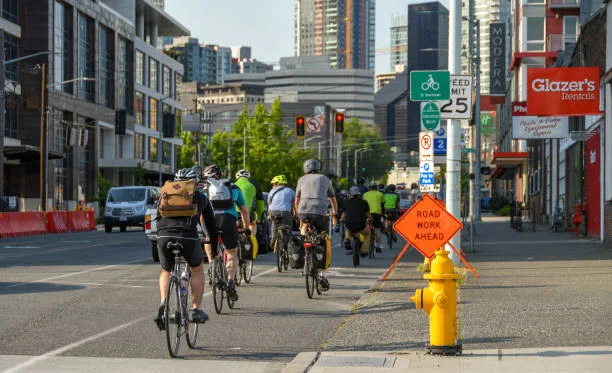
Bike lanes are becoming more common as cities encourage healthier and greener travel. Many riders trust these lanes to keep them safe. Problems begin when maintenance issues go unnoticed or ignored. These challenges make navigating injury claims as a cyclist much harder than most people expect.
Discover insights you may have missed—tap to dive into the related post now!
The Growing Popularity of Urban Cycling
More people are choosing bicycles as their preferred mode of transportation. Cities promote bike lanes to reduce traffic and support active lifestyles. These paths are often marketed as safe spaces designed specifically for cyclists.
However, the rapid rise in cycling has outpaced maintenance efforts. City crews struggle to keep up with daily wear and seasonal damage. This leads to hazardous conditions.
Riders rarely consider these risks until something goes wrong. A single defect in a bike lane can change the outcome of an otherwise safe trip. This creates both physical and legal challenges.
How Bike Lane Damage Creates Safety Hazards
Small issues can lead to significant accidents. Potholes, raised pavement, loose gravel, and water drainage problems all increase the chance of losing control. These hazards are often invisible until a cyclist is too close to avoid them.
The weather can make these issues worse. Rain can hide cracks or create slippery areas. Snow and ice can cause damage for months at a time.
These risks become even more dangerous in crowded urban areas. Cyclists may swerve to avoid hazards, but they may still collide with vehicles or pedestrians. This creates confusion about who is responsible for the crash.
The Problem of Unclear Maintenance Responsibility
Bike lanes may run through areas managed by several agencies. A city department might oversee one section while another branch handles the next. Some lanes may even fall under private property rules if they border certain developments.
When an accident happens, it is not always clear who is responsible for maintaining the lane. Riders may need to figure out whether the city, a contractor, or a property owner failed to fix the issue.
This confusion often slows down investigations. It also creates disagreements about liability. Without clarity, injured cyclists face delays and uncertainty.
How Lack of Reporting Makes Conditions Worse
Many bike lane hazards go unreported. Riders may assume someone else has already contacted the city. Others may not know how to file a report at all.
Without notifications, maintenance teams may not be aware of the problem. This allows hazards to remain in place for weeks or even months.
The lack of reporting creates a cycle where injuries continue to occur. It also makes it harder to prove that a city or property owner had enough time to fix the damage.
When Construction Projects Create Unexpected Risks
Urban construction plays a significant role in the condition of bike lanes. Crews may block lanes, leave debris behind, or cause uneven pavement. These problems often remain even after a project ends.
Cyclists may not see construction-related hazards until it is too late. Barriers might be placed improperly. Signs may not give clear directions.
If an accident occurs, determining responsibility becomes complicated. The construction company may blame the city. The city may argue that riders should have noticed the signs. This leads to prolonged and complex disputes.
The Role of Documentation in Proving Fault
After an accident, evidence becomes crucial. Cyclists need photos, witness statements, location details, and information about the lane condition. Many riders are too injured or shaken to gather this information at the scene.
If no documentation exists, it becomes harder to show how a maintenance issue contributed to the crash. The city or property owner may deny responsibility.
This places a heavy burden on injured riders. They must prove that a hazard existed and that it caused the accident. Without clear evidence, claims often face challenges.
Why Legal Guidance Is Often Essential
The combination of lane conditions, unclear responsibility, and potential disputes creates a complicated process. Cyclists must navigate conversations with city departments, insurance companies, and possibly contractors. Each party may interpret the situation differently.
Legal professionals help riders understand the evidence needed. They know how to request records and maintenance logs. They also help identify which agency or party is responsible.
Their support becomes crucial when accidents involve serious injuries. Cyclists need time to heal while someone else handles the details. This ensures the claim has a fair chance.
Final Thoughts
Bike lane maintenance issues create risks that many riders never anticipate. When hazards lead to accidents, determining responsibility becomes difficult. Proper guidance helps clarify confusing situations. This is why navigating injury claims as a cyclist requires careful attention when hidden lane problems are involved.
Don’t miss our highlighted gem—open this featured post and discover more inside!