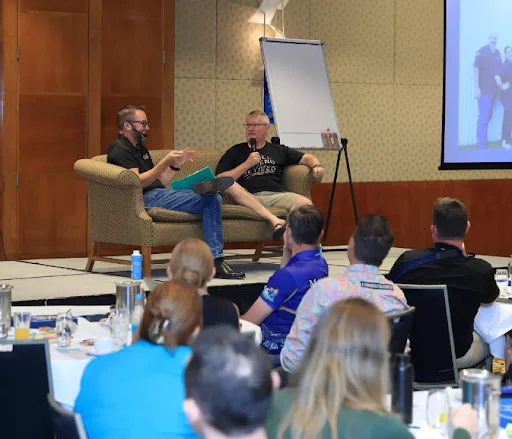
Skilled tradespeople often start their own business coaching program after they feel confident in their work. Also when they build a good reputation with clients. This step gives them independence, flexibility, and a chance to earn more. But at same time, new challenges also come. These are not usually taught during technical training.
A tradie coaching program helps in this situation. It is made to support trade business owners in learning business skills. So they can manage operations better, improve profit, and build long-term stability.
The Gap Between Trade Skills and Business Management
Being very skilled in a trade does not mean business will run successfully.
Many tradies go into self-employment without learning pricing, finance, marketing, or team management properly. Because of this gap, problems start. Income becomes inconsistent. Workload increases. Efficiency goes down. Business owners try to do everything. Completing jobs. Handling clients. Managing money. All together. But without structure, it becomes difficult.
Learning business management is necessary. Only then technical skill can turn into profitable business.
The Limitations of Relying on Referrals
Word-of-mouth referrals are very useful. They bring trusted clients. Also low cost. And often good conversions.
But depending only on referrals, it creates risk. Sometimes work slows down. Leads do not come. Cash flow gets affected. Also referrals are not in control of the owner. So planning becomes difficult. Smart trade businesses use referrals plus other methods. Like having an online presence. Collecting reviews. Contacting past clients again.
These steps help to create a steady flow of work.
Why Accurate Quoting Matters
Quoting is a very important part of trade business. But many times, it is done based on experience only. Experience is helpful. But not always enough.
It can lead to underpricing. Or margins become inconsistent. A proper quoting process is needed. It should include hourly rate. Covering all costs. Overheads. Downtime. Profit. Also consider material cost. Labour time. Project complexity. When tradies compare actual cost with price, they often find differences. This difference reduces profit.
Using a data-based quoting system removes guesswork. It makes business more stable financially.
Managing Client Expectations Effectively
Difficult clients are a common issue. But many problems start from unclear expectations.
Miscommunication happens. Scope is not clear. Agreements are informal. This leads to disputes later. Having a clear onboarding process helps. Detailed quotes. Clear scope. Defined timelines. Regular communication. All these reduce confusion.
Businesses using structured client processes face fewer problems. Also they attract better clients.
The Risks of Scaling Without Structure
Growth is good. But if done without a system, it creates problems.
More work means more complexity. More need for coordination. Better finance control. Strong leadership. If these are missing, stress increases. Quality goes down. Financial pressure builds. Small problems become bigger when business grows. Before scaling, systems should be improved. Margins should be strong.
Business should be ready to handle more work without losing performance.
The Role of Accountability in Business Improvement
Many owners know what needs to be improved. But they do not always take action.
There is a gap. Between knowing and doing. Accountability helps to close this gap. When goals are reviewed regularly, progress becomes visible. Actions are followed properly.
Having a structured way to track work builds discipline. Over time, habits improve.
Creating Systems for Long-Term Success
Long-term success depends on systems. Not only on hard work.
Processes should be standard. For quoting. Scheduling. Invoicing. Communication. This improves efficiency. Also reduces mistakes. Systems help businesses run smoothly. Without constant involvement of the owner. This creates stability. Also makes business scalable.
Consistency improves customer experience. And builds a strong reputation.
Conclusion
Running a trade business needs more than technical skill.
It requires managing money. Building systems. Generating leads. Making good decisions. Many tradies struggle not because they lack skill. But because they do not have business training. When this gap is solved, results improve. Profit increases. Stress reduces.
With proper structure, guidance, and consistent action, long-term success becomes possible. A tradie coaching program can help strongly in this journey.