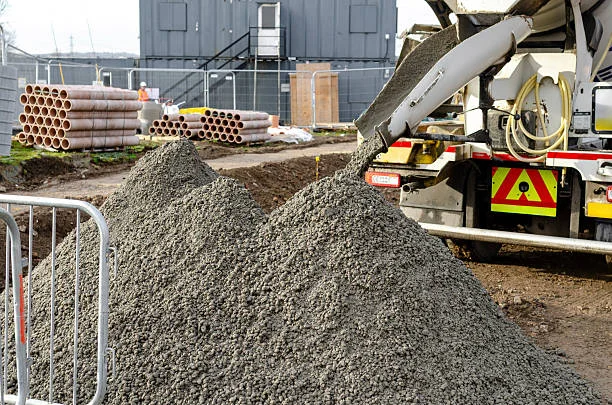
You’re planning a concrete project—a new driveway, patio, or foundation—and you’ve heard conflicting advice about timing. Some sources say spring is ideal, others claim fall is better, and a few contractors insist concrete can be poured year-round with proper precautions. Meanwhile, you’re trying to balance project timing with contractor availability to pour concrete, weather windows, and the reality that Michigan’s climate presents unique challenges that don’t apply to homeowners in warmer states. So when should you actually schedule concrete work in Michigan to maximize quality, minimize weather-related problems, and ensure your investment lasts decades rather than developing premature cracks, scaling, or structural issues?
Understanding how Michigan’s seasonal temperature swings, freeze-thaw cycles, and precipitation patterns affect concrete curing helps you make informed decisions about project timing. For Michigan homeowners planning concrete projects, working with experienced concrete contractors in Michigan who understand local climate challenges ensures your project is scheduled during optimal weather windows rather than being rushed during problematic conditions that compromise quality.
Why Concrete Timing Matters So Much
The Curing Process and Temperature Requirements
Concrete doesn’t simply “dry”—it cures through a chemical reaction between cement and water called hydration. This process requires specific temperature conditions to proceed properly. Ideal curing occurs between 50°F and 85°F. Below 50°F, hydration slows dramatically, and below 40°F, it essentially stops. Above 85°F, concrete can cure too quickly, potentially causing surface cracking and reduced strength of pour concrete.
Michigan’s temperature extremes in both summer and winter create challenges that require careful timing and sometimes special measures to maintain optimal curing conditions.
The Freeze-Thaw Vulnerability Window
Freshly poured concrete is particularly vulnerable to freeze-thaw damage during its first 24-48 hours. If temperatures drop below freezing before concrete reaches sufficient strength (typically 500 PSI), ice crystals form within the concrete matrix, causing permanent internal damage that manifests as surface scaling, spalling, and premature deterioration.
Even one freeze cycle during this critical early curing period can compromise the concrete’s structural integrity for its entire lifespan at pour concrete.
Spring: The Traditional Concrete Season
Why Spring Works (When It Actually Works)
Spring offers several advantages for Michigan concrete projects: temperatures rising into the ideal 50-85°F range, soil thawing and drying after winter, contractors’ schedules opening up after winter slowdown, and adequate time for concrete to gain strength before next winter.
Late April through May represents the sweet spot for many Michigan concrete projects—temperatures are moderate, frost danger has passed, and summer heat hasn’t arrived yet.
Spring’s Hidden Challenges
However, Michigan springs present complications including unpredictable temperature swings (60°F days followed by 35°F nights), frequent rain that delays projects or requires covering fresh concrete, and muddy conditions that complicate site access and preparation.
Additionally, spring is when everyone wants concrete work done, meaning contractors are busy and scheduling can be difficult.
Summer: Hot Weather Considerations
The Benefits of Summer Concrete Work
Summer provides the most consistent warm weather, reducing concerns about cold-weather curing problems. Long days allow more working hours, projects dry and cure quickly, and ground conditions are typically ideal for excavation and site preparation.
For Michigan, June through early September represents the most reliable weather window with minimal rain and consistent temperatures of pour concrete.
Managing Summer Heat Challenges
However, hot summer days create their own problems. When temperatures exceed 85-90°F, concrete can cure too rapidly, surface moisture evaporates quickly causing plastic shrinkage cracks, workers must move faster to finish before concrete sets, and the risk of thermal cracking increases.
Professional contractors manage these issues through early morning pours, evaporation retardants, and proper curing techniques, but hot weather definitely complicates concrete work.
Fall: The Underrated Concrete Season
Why Fall Is Often Ideal
Many concrete professionals consider fall—particularly September and early October—Michigan’s best concrete season. Temperatures moderate into the ideal range, humidity levels are comfortable for working, fewer rain events than in spring, and contractors’ schedules open up as demand decreases.
Fall concrete also benefits from moderate temperatures during the critical first 28 days of curing, when concrete develops most of its strength to pour concrete.
The Frost Timing Gamble
The challenge with fall concrete in Michigan is predicting the first frost. An unexpected cold snap in late October or early November can threaten concrete that hasn’t fully cured. Contractors must monitor weather forecasts carefully and be prepared to protect fresh concrete if temperatures drop unexpectedly.
This uncertainty makes late fall (November) increasingly risky as winter approaches.
Winter: Generally Inadvisable (With Exceptions)
Why Winter Concrete Is Problematic
Michigan winters create multiple concrete challenges: temperatures consistently below the ideal curing range, risk of freezing fresh concrete, need for heated enclosures and insulation, dramatically higher costs for cold-weather protection, and frozen ground complicating site preparation.
For most residential projects, winter concrete simply isn’t worth the added cost and risk.
When Winter Concrete Happens Anyway
Sometimes projects must proceed in winter—emergency repairs, construction deadlines that can’t shift, or commercial projects with inflexible schedules. Professional contractors can successfully pour concrete in winter using heated enclosures, insulated blankets, concrete additives that accelerate curing, and around-the-clock monitoring.
However, these measures add 30-50% to project costs, and even with precautions, winter concrete carries a higher risk of long-term problems.
Regional Variations Within Michigan
Northern Michigan vs. Southern Michigan
Michigan’s geography creates significant climate variations affecting concrete timing. Northern Michigan (Traverse City, Marquette) has shorter seasons with frost risk extending into May and returning in September. Southern Michigan (Detroit, Grand Rapids) has longer concrete seasons, with reliable weather from late April through October.
These regional differences mean “spring” starts 3-4 weeks later in the Upper Peninsula than in Ann Arbor, and fall’s concrete window closes earlier up north.
Scheduling Strategies That Work
The 3-Week Weather Window Rule
Ideally, schedule concrete projects when 10-day forecasts show consistent temperatures between 50-75°F with minimal precipitation. This gives concrete time to gain initial strength before the weather potentially turns problematic.
In Michigan, these windows typically occur in May, June, September, and early October—focus your scheduling on these months.
Flexibility Is Your Friend
Rather than locking in specific dates months in advance, work with contractors who can move somewhat flexibly within favorable weather windows. Projects scheduled for “mid-May, weather permitting” fare better than those committed to specific dates that might coincide with unseasonable cold or rain.
Working With Experienced Contractors
Contractors familiar with Michigan’s climate know how to time projects for success, have equipment and materials for weather protection when needed, can read weather patterns and adjust schedules appropriately, and understand which compromises are acceptable versus which ones risk quality.
Working with established professionals like Courtneys Construction, who’ve poured countless concrete projects across Michigan seasons, ensures your project is scheduled during optimal conditions and handled properly if the weather doesn’t cooperate as expected.
The Bottom Line on Timing
For most Michigan concrete projects, target late April through early June or September through mid-October. These periods offer the best combination of favorable temperatures, manageable precipitation, and contractors’ availability. Avoid winter unless absolutely necessary, and approach summer carefully, being mindful of extreme heat.
Most importantly, work with contractors who understand Michigan’s climate and will honestly tell you when conditions are wrong for proceeding—even if it means delaying your project. That honesty protects your investment far better than contractors who’ll pour concrete whenever you’re ready regardless of weather conditions.
Explore more stories packed with practical guidance and ideas you can act on today.