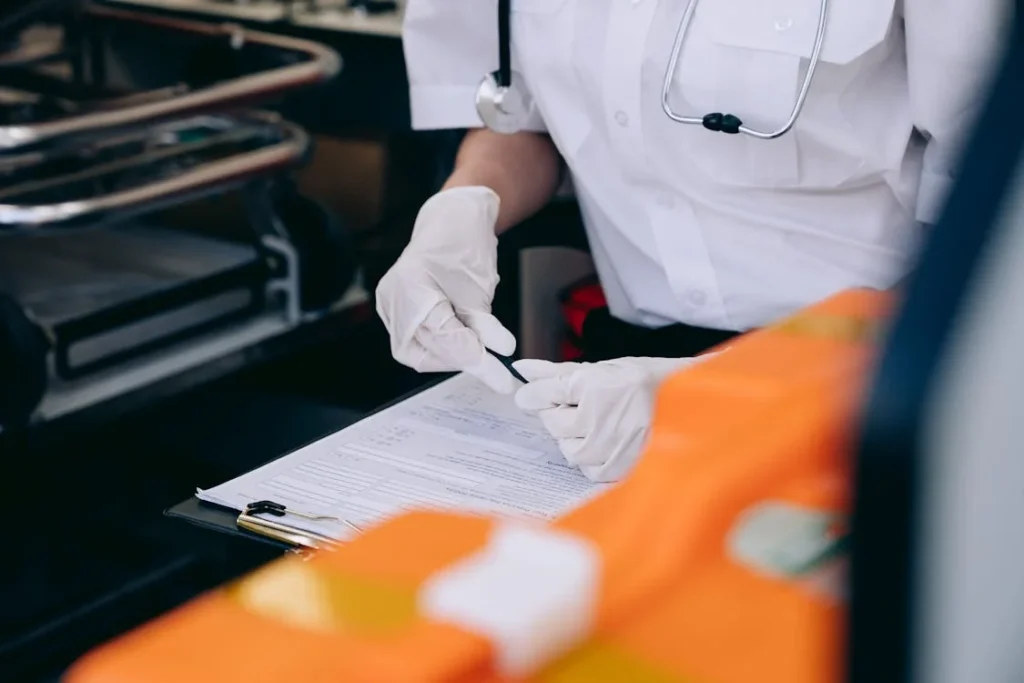
What do you grab first when the power goes out, the sky turns orange, and your phone pings with an alert that’s written in all caps? Most people guess. Some freeze. A few reach for what they packed last month. The ones who don’t panic? They learned what to do long before anything went wrong. In this blog, we will share what studying emergency management really teaches you—and why that matters now more than ever.
From Chaos to Action: Learning How Systems Actually Work
Disasters don’t care if it’s your kid’s birthday or the mayor’s reelection year. They hit fast or slow, depending on the hazard, and rarely go according to plan. But behind every headline—floods in Vermont, wildfires in California, tornadoes carving through suburbs—there’s a maze of agencies, protocols, and human decision-making under pressure.
Emergency management isn’t about heroics. It’s about coordination. Students learn to map systems: who does what, who talks to whom, and how to move people and resources when every second matters. It’s equal parts logistics, psychology, policy, and troubleshooting.
And the field keeps growing. More cities now appoint full-time emergency managers, not just for storms or earthquakes, but also cyberattacks, pandemics, and heat waves. The job is to look calm while thinking six steps ahead. It’s a role built on structure, training, and the kind of decisions that happen when someone says, “We didn’t expect this.”
That demand is driving a rise in flexible training options. An online masters in emergency management offers a way in without pausing your life or job. These programs aren’t theoretical marathons. They’re focused, applied, and tailored to real-world problems. Students explore how to assess risk, build communication plans, simulate crises, and evaluate response outcomes. They look at past failures not to assign blame, but to avoid repeating them.
The best part? These programs attract people already in motion: firefighters, military vets, logistics pros, policy analysts. That mix of experience makes the learning sharper. When a classmate has been inside a Category 4 hurricane zone, their feedback hits different. And the online format doesn’t water it down—it broadens access for those who don’t live near major training hubs.
So while the work may seem like it’s all triage and fire drills, what you really study is how to keep communities running even when everything breaks.
Leadership Without the Spotlight
Emergency management teaches leadership, but not the kind that makes you famous. You won’t be trending on social media. You’ll be briefing a panicked town council at midnight or rerouting supply trucks in the middle of a fuel shortage. The job isn’t about charisma—it’s about clarity.
You learn how to make fast decisions when there’s no perfect option. You study how to communicate updates that are honest, accurate, and calm—even when the news is bad. You practice writing plans that are actually useful, not just shelf decorations full of vague jargon.
The field also forces humility. You start to see just how fragile “normal” really is. A power outage in a hospital isn’t just a blip—it can be life or death. A closed highway might strand an entire neighborhood. A misstep in public messaging during a chemical spill can create panic that lasts for weeks.
Those details matter. They don’t make headlines, but they shape outcomes. The ability to notice them—and act quickly—is a core skill you sharpen when studying emergency management. It’s not dramatic. It’s just vital.
Learning to Think in Layers
You don’t just study how to stop things from falling apart. You learn how to prepare for what happens when they do anyway. Emergency management operates on layers: mitigation, preparedness, response, and recovery. Each stage has its own tools, timelines, and headaches.
Mitigation is proactive. It’s deciding where not to build homes, how to strengthen bridges, or what equipment a rural fire department actually needs. Preparedness means drills, stockpiles, mutual aid agreements, and making sure people know what to do when they smell smoke or hear sirens.
Response is the messy, urgent part. It’s triage, coordination, shelter setup, and trying to keep the chaos from multiplying. But recovery is where you see the long game. How do you rebuild so the next storm doesn’t wreck the same block? How do you support displaced families without creating dependency? How do you track the small victories buried in paperwork?
Each layer affects the next. Ignore mitigation, and you pay for it in response. Skip recovery planning, and you stay in limbo. The training forces you to think across time, not just react to the present.
What It Teaches You About People
If you study emergency management long enough, you stop being surprised by how people behave in a crisis. You start seeing patterns. Some freeze, some hoard, some organize neighbors they barely spoke to the day before. Panic isn’t always the default. Often, people help each other in quiet, efficient ways.
The training teaches you how to read a room, how to shape messaging so it calms rather than inflames, and how to know when you need to push decisions upstream or handle it yourself. You don’t just learn to manage logistics. You learn to manage emotions—yours and everyone else’s.
You also see how social inequities play out during disasters. Low-income neighborhoods flood faster and recover slower. Language barriers slow evacuation efforts. Disabled residents are left behind more often than anyone wants to admit. A good emergency manager doesn’t just know these problems exist—they plan for them in advance.
The Skills You Don’t Know You’re Picking Up
By the end of most emergency management training, you’ve picked up skills that apply far beyond disaster zones. You know how to write clear documents under pressure. You can speak in front of a room of strangers and hold their attention. You’ve practiced managing limited resources when everyone’s stressed.
You’re better at risk assessment. You understand inter-agency politics. You know how to get people to cooperate when no one really wants to. These aren’t just emergency skills. They’re life skills. The field teaches how to function under pressure without becoming part of the chaos.
And in a world where disruption feels constant, that kind of training starts to feel less like a niche—and more like a foundation.
What You Take With You
You probably won’t get a parade for becoming an emergency manager. The work is invisible unless it fails. But it’s the kind of training that sticks with you. You walk into a building and notice the exits. You keep extra water at home, not because you’re scared, but because you understand how systems break.
You also start to think differently about leadership. About accountability. About who gets helped and who gets left behind. Emergency management doesn’t just teach you how to respond—it teaches you what’s worth protecting, and how to do it better the next time.
That perspective doesn’t fade. It grows sharper.
Read this featured post to discover ideas and strategies that deliver real results fast.