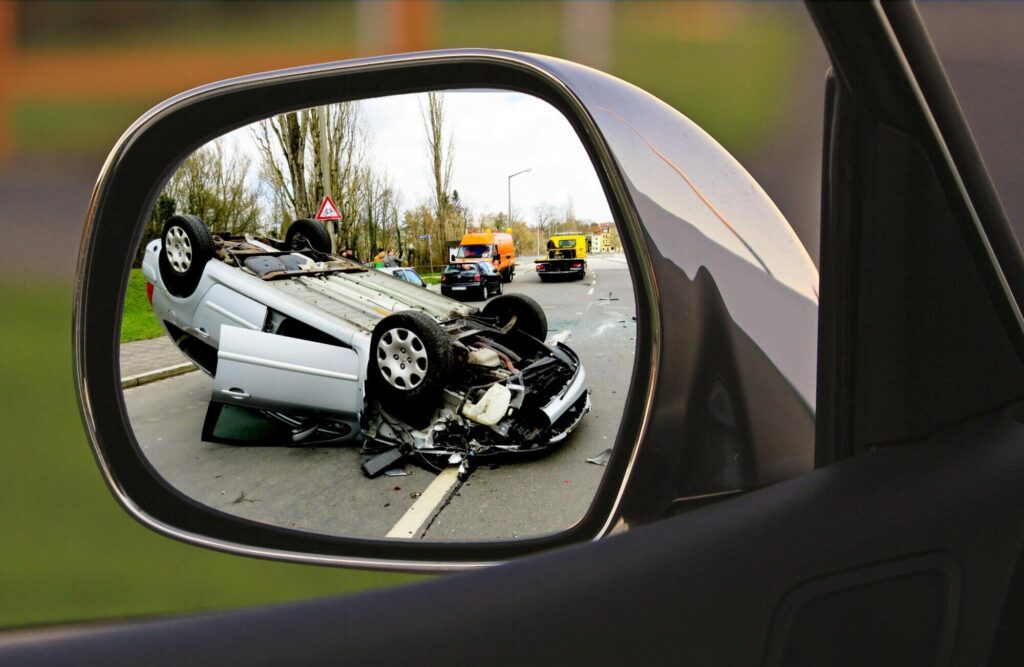
A hit-and-run accident can leave anyone shocked and confused. The driver responsible leaves the scene, which makes the situation more stressful. Many people do not know what actions to take right away.
The first few minutes after the incident are very important. Calm decisions can help protect safety and future legal rights. Simple actions can also help authorities identify the driver who left.
The following sections explain what to do immediately after a hit-and-run accident.
Check Yourself and Others for Injuries
Start by checking for any injuries. Examine yourself and everyone else in the vehicle. Sometimes pain is not immediately noticeable because adrenaline can mask symptoms. If someone is injured, remain calm and try to avoid sudden movements.
Serious injuries require immediate medical attention. Call emergency services if someone needs urgent care. If it is safe, stay in the vehicle until help arrives. Safety should always come before anything else.
Move to a Safe Location if Possible
Traffic can create danger after an accident. If the vehicle can move, slowly pull over to a safe area. A shoulder, parking lot, or quiet street corner is often safer than the middle of the road.
Turn on hazard lights to warn other drivers. This helps prevent another collision. Do not chase the driver who left the scene. That action can lead to more risk. Staying safe should remain the top priority.
Call Emergency Services Immediately
Contact emergency services as soon as possible. Even if injuries seem minor, a report is still important. Authorities need to know that a hit-and-run accident happened.
Dispatchers may send police and medical responders. They can also guide what to do while waiting. Quick reporting increases the chance of finding the driver. It also creates an official record of the event. This record may help later with insurance or legal matters.
Try to Remember Details About the Vehicle
Memory can fade quickly after a stressful event. Try to recall details about the vehicle that left the scene. The color, model, and size can be very helpful. A license plate number is even better if it was seen.
Small details can also matter, such as damage to the car. Think about the direction the driver traveled after leaving. Write down these details as soon as possible. Clear notes help investigators later.
Look for Witnesses Nearby
Witnesses can provide valuable information. Look around for people who may have seen the accident. Other drivers, pedestrians, or nearby workers may have noticed the vehicle. Politely ask if they saw what happened.
Request their contact information if they are willing to help. Their statements can support the report. Witness accounts often fill in missing details. This information may help identify the driver.
Take Photos and Record the Scene
Photos help document the situation clearly. Use a phone to capture images of the vehicle damage. Take pictures of the surrounding area and road conditions. Include traffic signs, intersections, or skid marks. These details may show how the accident happened.
Photos should also show the position of the vehicle. Visual records can support reports and claims later. Clear images often make the situation easier to understand.
Write Down Everything You Remember
Small details can disappear from memory within hours. Write down everything remembered about the accident. Include the time, location, and weather conditions. Record what happened before and after the crash.
Describe the driver’s vehicle as clearly as possible. Add any information shared by witnesses. These notes may help when speaking with authorities later. Written details are often more accurate than memory alone.
File a Police Report
A police report is a key part of the process. Authorities will document the accident and collect information. This report creates an official record of the hit-and-run accident. Insurance providers often require this document. It also helps investigators search for the driver.
Provide clear and honest details when speaking with officers. Share any notes or photos that were collected. The more information available, the better the investigation can proceed.
Seek Medical Attention
Some injuries appear hours after the accident. Headaches, neck pain, or dizziness may develop later. A medical check can detect problems early. Even minor symptoms should be taken seriously.
Medical records also help show that injuries came from the accident. This documentation may be important later. Follow the advice of medical professionals carefully. Health should remain the main concern.
Notify Your Insurance Provider
Contact the insurance provider as soon as possible. Provide accurate details about the hit-and-run accident. Share the police report number and any photos taken. Explain the damage to the vehicle and any injuries.
Insurance representatives may guide the next steps. Quick reporting can help speed up the claim process. Delays can sometimes create complications. Keeping communication clear helps avoid confusion.
Avoid Posting About the Accident Online
Sharing details online may seem harmless. However, public posts can create problems later. Statements made online can be misunderstood or taken out of context.
Photos or comments might affect insurance claims. It is safer to keep details private. Share information only with authorities or trusted professionals. Careful communication protects the case. Waiting before posting online is usually the safest choice.
Understand Your Legal Options
A hit-and-run accident can involve legal issues. Victims often have questions about rights and possible claims. Legal guidance can explain available options. Some situations allow recovery through insurance coverage. Others may involve legal action if the driver is found.
Learning the proper steps to take after a hit and run helps people understand the process and protect their interests. Knowing these options can reduce stress. Clear information leads to better decisions.
Keep All Records and Documents
Accidents often involve many documents. Keep copies of the police report, medical records, and repair estimates. Store photos and written notes in a safe place.
Emails and communication with insurance providers should also be saved. These records may be useful later. Organized documents make the process easier. They also help answer questions quickly. Good record keeping can prevent future problems.
Know What to Do Immediately After a Hit-and-Run Accident
A hit-and-run accident can create confusion and stress in a short moment. Quick and calm actions can make a major difference. Safety should always come first. Reporting the incident and gathering details helps authorities investigate.
Medical care and proper documentation also protect health and legal rights. Each step helps build a clear record of what happened. Being prepared for these situations can help people respond with confidence.
Should you wish to read more, visit our blog. We’ve got more topics!