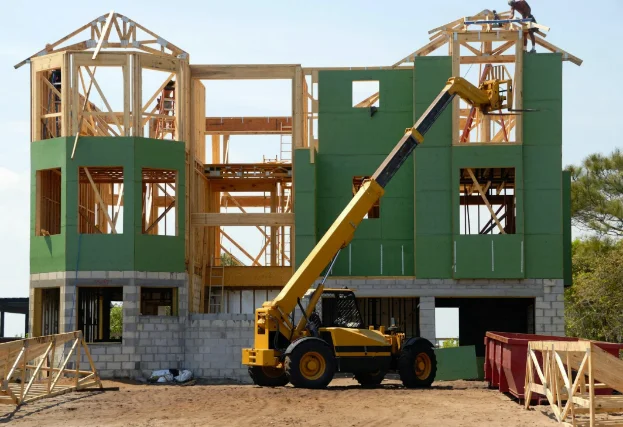
Ever look around a town like the Hamptons and wonder how half the homes feel like magazine covers and the other half like cautionary tales? One word: prep. In today’s market, with land prices climbing, zoning boards tightening rules, and climate risk creeping into every decision, building without a plan is a fast track to regret. In this blog, we will share what to check before breaking ground on a house.
Budgeting for the Stuff You Can’t See Yet
Ask anyone who’s built a house and they’ll tell you—your initial budget isn’t real. Not because people lie, but because unknowns always show up. Water tables rise. Lead paint shows up in soil. The utility company charges $18,000 to connect to a nearby pole you thought was close enough. And if you’re building on a slope, excavation can double if rock shows up two feet down.
Contingency planning isn’t optional. You need at least 10–15% above your best-case estimate. Contractors know this, but owners often don’t want to hear it. Until they have to.
Another thing: material costs swing wildly. Lumber prices doubled during the pandemic, then dropped, then climbed again. Imported tile gets stuck in customs. Local concrete plants get backed up for weeks. These delays aren’t bugs—they’re features of post-COVID construction.
Get real about time, too. A permit might take three months. That’s three months before anything starts. Then framing, rough-ins, inspections, finish work, weather delays. If someone promises a full build in six months, ask what world they’re building in. It isn’t this one.
It’s Not Just Dirt—It’s Data
Before a single shovel hits soil, what you’re really building on is information. If you’re building a modern home in the Hamptons, for example, you’re not just planning around the ocean view—you’re dealing with aggressive permitting timelines, conservation easements, stormwater management requirements, and one of the most watchful architectural review boards in the country. Miss any one of those, and your project stalls for months or costs thousands more.
The land might look flat, but underground utilities, wetlands, or protected tree lines might say otherwise. No builder wants to find out mid-excavation that the lot sits on a floodplain or that the soil can’t support the foundation type you designed. Even if you’re working with a well-established architect or contractor, nothing substitutes for hiring a qualified land surveyor and a geotechnical engineer. They won’t just hand you a report—they’ll show you what parts of your plan might collapse under the real-world conditions beneath your future living room.
Site analysis isn’t a bureaucratic hoop. It’s a preemptive strike against long, expensive surprises.
The Permit Game Is Real, and It’s Political
Zoning laws aren’t suggestions. In many cities, they’re the final word. You may think you bought a residential plot, but it may carry constraints on height, setbacks, septic systems, number of driveways, or even window placement. And no, the town won’t care if your contractor “didn’t know.” If the plans don’t meet code, you’re redrawing them on your own dime.
Permits aren’t just about safety. They’re about control. Local governments use them to manage traffic, preserve historical character, protect infrastructure, and increasingly, to prepare for climate shifts. What passed ten years ago won’t pass today. This is especially true in areas like California, New York, and Florida, where sea level and fire zone maps are being updated more often than people check smoke alarms.
You need to meet with the building department before committing to anything. That includes the design. That includes even the contractor, if you can help it. Bring sketches, not blueprints. You’ll save time if you figure out what the town will fight before spending on full designs.
Permits don’t just delay construction. They shape it. And unless your budget includes rerouting electrical feeds or pouring a deeper foundation to meet code, you’ll want those details clear from day one.
Neighbors, Noise, and Nuisance Complaints
In the age of social media and Nextdoor vigilantes, one angry neighbor can become a months-long headache. Construction isn’t quiet. It blocks streets. It brings in trucks, dumpsters, portable toilets, and strangers with power tools. If you’re planning to build in a tight community, especially one with a homeowners association, you’re not just following laws—you’re walking into politics.
A common mistake is ignoring outreach. The best builders introduce themselves to nearby property owners before breaking ground. Not just a polite wave—actual notice. Something like: “Hey, you’ll be hearing from us for the next few months. Here’s who to call if there’s ever an issue.” That little move stops a lot of complaints before they start.
Some towns also have noise ordinances that cap work hours. If your contractor is planning 7 a.m. concrete pours and the law says 8, that’s not a small issue. That’s a fine. Or worse, a forced shutdown.
Pre-construction etiquette is part of the process now. Not in theory. In practice. Especially when those same neighbors sit on zoning boards.
Your Future Self Will Hate Shortcuts
Every compromise before ground breaks becomes a regret after you move in. Can’t afford the extra insulation layer? You’ll hear every car that passes. Skipping radiant heating? You’ll feel it every winter morning. Using generic flashing around the windows? You’ll spot the leak during the first storm.
A house isn’t just a project. It’s a system. HVAC, insulation, drainage, structural loads—they work together. A small flaw in one creates pressure on others. Smart owners think like maintainers, not just buyers.
Don’t obsess over paint colors before knowing how your crawl space vents will behave during humid summers. Don’t upgrade to smart appliances if your wiring isn’t clean. Don’t install floor-to-ceiling windows unless you’ve already specced the right UV coatings and drainage slopes.
You only get one chance to do it right. And fixing it after move-in is always more expensive.
Building Now Means Thinking Ahead
Modern building isn’t just about code and comfort. It’s about resilience. Cities are updating their infrastructure to cope with flooding, heat waves, and power outages. If you’re not factoring those into your build, your home won’t age well.
Backup batteries are replacing generators. Smart panels are becoming standard. Drainage needs are shifting with rainfall patterns. If you’re digging into design decisions, think about where the climate is going, not just where it is.
And don’t just future-proof for nature. Think tech, too. Is your wiring built to handle an EV charger? Are your Wi-Fi and ethernet layouts designed to scale with devices? You don’t want to tear out drywall in five years because your “smart home” got dumb fast.
It’s not about being trendy. It’s about building something that functions for 20 years, not five.
Building a house isn’t just about creating shelter. It’s about making thousands of small decisions that either set you up for calm or chaos. Do the work upfront, and the ground you break becomes something solid—not just to stand on, but to build a life around.