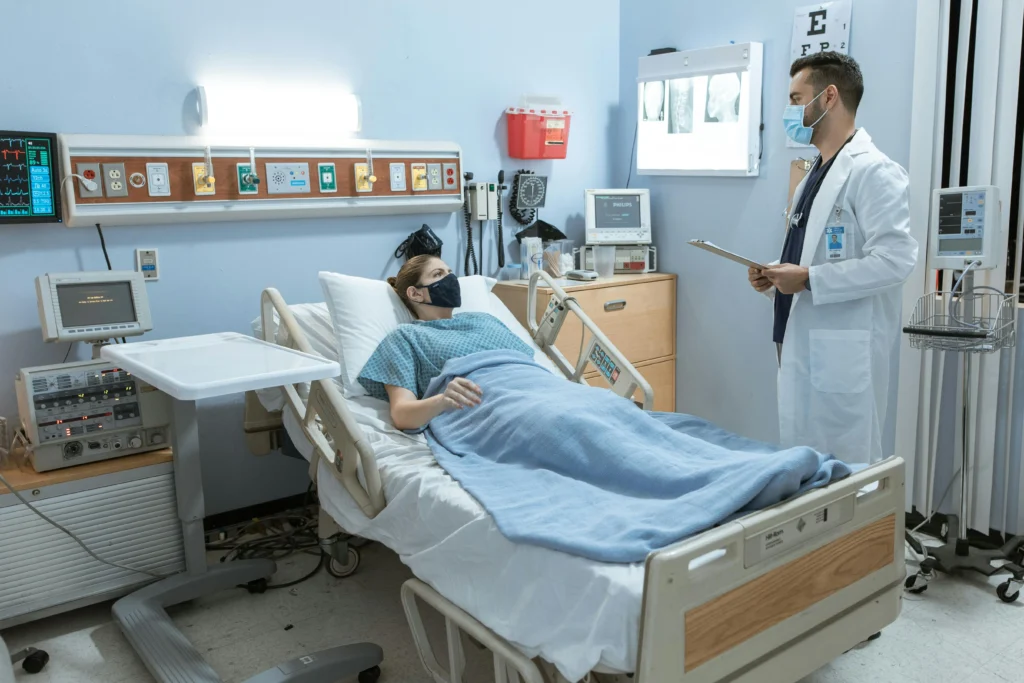
Recovery after injury or surgery looks very different today than it once did. Modern recovery focuses on guided movement, measurable progress, and coordinated follow-up care rather than prolonged rest. Patients are encouraged to regain mobility earlier while pain levels and physical function are tracked. This approach helps reduce complications and supports a faster recovery.
Outcome reporting now plays a larger role in shaping recovery plans and setting realistic expectations. Medicare data for Denver Health & Hospital Authority shows patient-reported improvements in pain management and physical function after surgical care. For patients navigating recovery, choosing the best physical therapy in Denver can strongly influence long-term outcomes.
In this article, we’ll explore what recovery looks like today and how modern approaches are changing outcomes.
How Recovery Has Changed in Recent Years
Recovery after injury or surgery has shifted toward active, structured rehabilitation rather than extended rest. Patients are now encouraged to move earlier under professional guidance. This approach helps prevent stiffness, muscle loss, and delayed healing. Personalized recovery plans have replaced one-size-fits-all timelines. Progress is measured using mobility, strength, and daily function benchmarks.
PubMed Central states that recent postoperative rehabilitation studies show structured exercise programs improve physical function and quality of life after surgery. The research highlights gains in strength, endurance, and overall functional capacity with guided rehabilitation. These improvements were observed across different adult patient groups.
Such findings support the move toward early mobilization and ongoing assessment. Today’s recovery models focus on faster, safer returns to normal activity through evidence-based care.
The Importance of Early Assessment and Individualized Plans
Recovery after injury or surgery has shifted toward evidence-based, structured care rather than prolonged rest. Enhanced Recovery After Surgery (ERAS) protocols now guide perioperative management with a focus on early mobilization, optimized pain control, and coordinated follow-up care.
According to the American College of Surgeons, adoption of ERAS guidelines was associated with a decrease in hospital length of stay. On average, patients were discharged nearly two days earlier. The review also found a 30 percent reduction in postoperative complications.
These improvements reflect a broader change in recovery philosophy, where measurable outcomes are prioritized. Patients benefit from multimodal strategies that integrate rehabilitation exercises, pain management, and functional milestones. As a result, recovery today often leads to faster returns to daily life with fewer setbacks and complications.
The Role of Physical Therapy in Modern Recovery
Physical therapy plays a central role in modern recovery after injury or surgery. It focuses on helping the body heal through guided movement and functional exercises. Rather than masking symptoms, physical therapy works with the body’s natural healing processes. According to Total Physical Therapy, this approach supports longer-lasting results and ongoing self-improvement beyond formal treatment.
Physical therapy helps relieve pain while improving strength, balance, and mobility. It is effective for treating a wide range of injuries and physical conditions. Treatment plans are safe, non-invasive, and carefully tailored to individual needs. In many cases, physical therapy can reduce reliance on surgery or prescription medication. Care is also flexible, with services offered in clinics, hospitals, private practices, and other settings.
Technology and Tools Supporting Faster Healing
Technology now plays a key role in modern recovery after injury or surgery. Wearable devices allow clinicians to monitor patient progress outside traditional clinical settings. These tools track movement, activity levels, and vital signs during daily routines. Continuous data helps therapists adjust recovery plans more accurately.
According to MDPI, wearable sensors such as accelerometers are widely used to measure physical activity during recovery. The study also notes that these sensors are often paired with heart rate monitoring for better insight. This combination helps capture real-time changes in patient mobility and exertion.
Such data can signal delayed recovery or emerging complications early. By integrating sensor technology with rehabilitation care, recovery becomes more personalized, measurable, and responsive to patient needs.
Managing Pain, Mobility, and Daily Activities
Modern recovery plans aim to reduce pain while encouraging safe movement. Controlled activity helps prevent stiffness and muscle weakness. Pain management now focuses on balanced approaches rather than heavy medication use. Guided exercises support strength, flexibility, and joint function.
Patients are often taught how to modify daily activities safely. Simple adjustments can reduce strain during walking, sitting, or lifting. Assistive tools may be used temporarily to improve independence. Regular movement improves circulation and speeds healing.
By balancing pain control with gradual activity, patients can return to daily routines more confidently and with fewer setbacks.
Mental and Emotional Aspects of Recovery
Recovery affects mental and emotional health as much as physical healing. Many patients experience stress, frustration, or anxiety during recovery. Limited mobility can impact mood and motivation. Emotional challenges may slow progress if left unaddressed.
Modern recovery plans increasingly recognize this connection. Support from healthcare providers helps patients stay engaged and positive. Setting realistic goals reduces disappointment and builds confidence. Encouragement from family and friends also plays an important role.
Mindfulness practices and relaxation methods can help reduce stress and promote calmness. Addressing emotional well-being alongside physical care supports more complete and sustainable recovery outcomes.
Frequently Asked Questions
What signs indicate recovery is not progressing normally?
Warning signs include increasing pain, swelling, or stiffness instead of improvement. Limited mobility, new weakness, frequent setbacks, or worsening fatigue may also indicate abnormal recovery. Persistent symptoms or sudden changes should be discussed with a healthcare provider promptly.
Do nutrition and hydration affect healing speed?
Yes. Proper nutrition and hydration support tissue repair, reduce inflammation, and maintain energy levels. Adequate protein, vitamins, and fluids help the body heal more efficiently, while poor nutrition or dehydration can slow recovery and increase fatigue.
Are home exercises enough for full recovery?
Home exercises can support recovery, but they may not be enough for full rehabilitation. Professional guidance ensures proper technique, progression, and safety. Many patients achieve better outcomes when home programs are combined with supervised therapy and regular reassessment.
A More Active and Personalized Path to Recovery
Recovery after injury or surgery has become more proactive, personalized, and data-driven. Early movement, individualized care plans, and ongoing monitoring now play a central role in improving outcomes.
Physical therapy, supportive technology, and attention to mental well-being work together to support safer and more effective healing. Rather than relying on rest alone, modern recovery emphasizes guided activity and informed decision-making.
With the right support and structured approach, patients are better equipped to regain function, confidence, and independence throughout the recovery process.
Ready to discover more? Explore our curated content for you at Management Works Media.