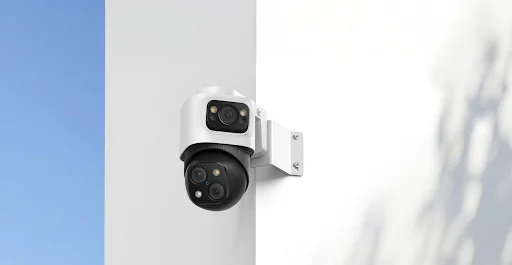
Storing weeks of security footage is essential for understanding incidents that may unfold gradually or go unnoticed at first. Many households review footage days or even weeks after an event, which makes dependable long-term storage a core part of any security setup. The challenge is choosing a method that balances capacity, reliability, cost, and ease of use. Each storage option behaves differently, so the right choice often depends on the size of the property, the number of cameras, and how the footage will be reviewed. In this article, the main storage methods are compared to help determine the best long-term solution.
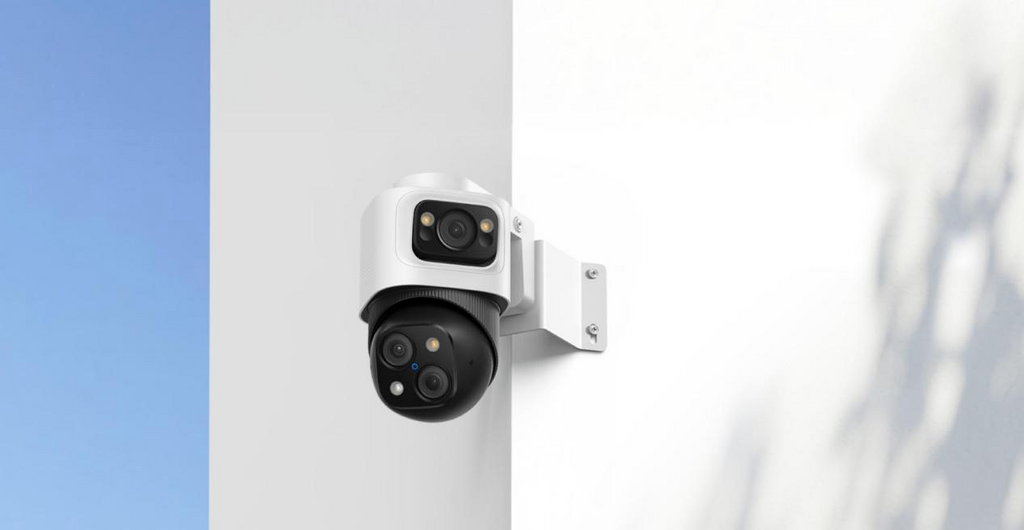
Method 1: Network Video Recorders (NVRs)
High-Capacity Hard Drives for Continuous Recording
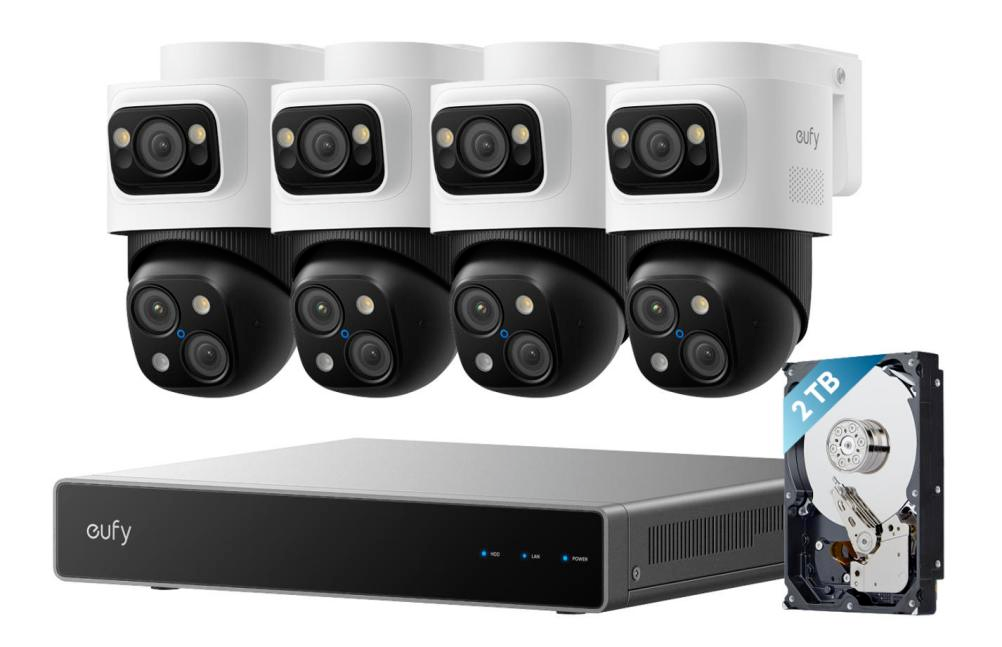
NVRs are designed to handle continuous recording across multiple cameras, making them one of the strongest options for long-term storage. They support large surveillance-grade hard drives, often offering weeks of footage retention depending on resolution and camera count. Because NVRs write data directly without relying on individual camera storage, they provide consistent performance even during busy recording periods. This reduces the risk of lost footage due to bandwidth fluctuations or device-level interruptions. In homes that need highly dependable local storage, an NVR camera system such as one offered by eufy can deliver both extended retention and stable day-to-day operation.
Centralized Management and Reliable Playback
Centralized storage means that all recordings are organized in one place, simplifying review when an incident occurs. A single interface makes it easier to search by time, date, or camera without manually checking individual devices. The playback system in an NVR is usually optimized for large files, ensuring smooth scrubbing and fast access to motion events. This can be especially helpful when reviewing long timelines after vacations or trips. Centralized management supports a more streamlined and professional-style surveillance experience.
Method 2: On-Camera MicroSD Cards
Ideal for Supplemental or Short-Term Storage
MicroSD cards built directly into cameras provide a convenient backup layer. They continue recording even if the network temporarily drops, which can be important during power fluctuations or router resets. While they rarely match the weeks-long retention of NVRs, they are effective for short-term storage or redundancy. This helps preserve critical moments such as motion-triggered clips or door-level activity. For smaller areas that do not require high-capacity archiving, microSD storage offers a flexible and simple solution.
Understanding Loop Recording and Card Endurance
Most cameras use loop recording, which automatically overwrites the oldest files when space runs out. This allows continuous operation without user intervention, but it also means retention depends heavily on card size and video quality settings. High-endurance cards are necessary to withstand constant writing, especially in outdoor cameras exposed to temperature changes. Without the right endurance rating, cards may fail sooner than expected, resulting in lost footage. Understanding these limitations helps set realistic expectations for long-term storage.
Method 3: Personal Network Attached Storage (NAS)
A personal NAS system offers large storage capacity for households that want to centralize multiple camera feeds while maintaining full control. NAS devices can run specialized software that supports IP cameras, allowing weeks or even months of retention depending on drive configuration. Because NAS systems are highly customizable, they can adapt to different recording schedules, motion-triggered settings, or retention policies. This approach also benefits homes that already use NAS devices for files or media, consolidating security footage into an existing network structure. Although setup requires some technical familiarity, the flexibility and scalability make NAS a strong long-term option for users who prefer self-managed systems.
Method 4: Cloud Storage
Weighing the Convenience Against Cost and Bandwidth
Cloud storage is valued for its convenience, offering off-site backup that cannot be affected by local hardware failures or theft. However, uploading continuous high-resolution footage requires substantial bandwidth, which may strain home networks. Retaining weeks of footage can also become expensive, as cloud plans typically charge more for larger storage windows. Some households may experience slow playback if their internet connection is congested. These trade-offs make cloud storage more appealing as a complementary option rather than the primary method for long-term retention.
Choosing the Right Subscription Plan for Your Needs
Subscription plans vary based on the retention period, number of cameras, and available features. Shorter retention plans may be suitable for smaller spaces but may not meet the needs of households that require extended review windows. Longer plans increase costs but offer more flexibility for reviewing older footage. Understanding the footage resolution and frequency of motion events helps estimate the needed storage tier. Choosing the right plan ensures reliable access to footage without paying for unnecessary capacity.
Conclusion
The best way to store weeks of security footage depends on how much control, capacity, and convenience is needed. NVR systems deliver strong reliability and organized playback, making them ideal for comprehensive long-term retention. MicroSD cards provide simple, localized backups, while NAS systems offer flexible, scalable solutions for more advanced setups. Cloud storage adds convenience but may be limited by cost and network speed. By understanding the strengths of each method, households can create a storage strategy that protects footage consistently and supports long-term peace of mind.