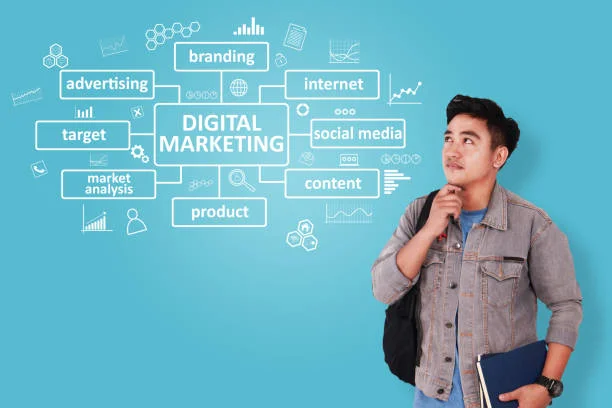
If you’ve ever thought digital marketing is just “posting on Instagram” or running a few Facebook ads, think again. The reality is far deeper—and far more interesting. Whether you clicked on a YouTube video, signed up for a discount via email, or searched Google and got a helpful blog post — you’ve already seen the work of a digital marketer. Behind each click, there’s usually a whole strategy and a team behind the scenes. What are Key Roles and Responsibilities of a Digital Marketer?
This guide — from a Kerala-based digital marketer’s perspective — breaks it down clearly. Whether you’re wondering whether to start a career in digital marketing, looking to grow your business, or simply curious what “digital marketing” really means, you’re in the right place.
What Are the Key Roles & Responsibilities of a Digital Marketer?
Digital marketers juggle creativity, analysis, technical skills, and strategy. While tasks vary by company, industry, and role — here’s a breakdown of the core responsibilities many digital marketers handle.
Strategy Development
Before any campaign hits “publish,” a digital marketer defines the game plan: Who are we targeting? Which channels make sense — social media, search engines, email, or ads? What are the objectives — awareness, leads, conversions? This strategic phase sets the foundation for everything that follows.
Social Media Marketing
Managing social media platforms is often a major part of the job. That includes planning and scheduling posts, engaging with followers/comments, analyzing interaction data, and refining the approach to build genuine connection and brand presence.
Content Creation & Content Marketing
Content is the heart of digital marketing. Whether it’s blog posts, videos, infographics, or newsletters — marketers craft content that educates, entertains, or solves problems. This helps attract and retain audiences.
Email Marketing & Automation
Email marketing remains one of the most effective tools in a marketer’s toolkit. From newsletters to automated drip campaigns, email helps nurture leads, maintain engagement, and drive conversions — without heavy reliance on ads or external platforms.
SEO & Search Engine Marketing (SEM / PPC)
Visibility matters. On one hand, SEO (Search Engine Optimization) — including optimizing content, technical setup, keyword research, link building — helps ensure your content shows up organically. On the other, paid search (SEM / PPC) helps you appear quickly where your ideal audience is searching. Skilled digital marketers manage both sides to maximize reach and impact.
Performance Tracking & Analytics
Marketing without measurement is guesswork. Digital marketers use tools like analytics platforms to track metrics — click-through rates, bounce rates, conversions, traffic sources — to evaluate campaign performance, learn what’s working (and what’s not), and iteratively improve their strategy.
Collaboration Across Teams
Digital marketing isn’t a solo gig. It often involves working with content writers, graphic designers or videographers, developers, and sometimes sales teams. Coordination ensures that campaigns are consistent, on-brand, and aligned with overall business goals.
Essential Skills Every Digital Marketer Should Have
To succeed, you don’t need to start as an expert — but you’ll need to build certain skills. Here are the key ones:
- Understanding Digital Channels & Tools — knowledge of social media platforms, search engines, email tools, ad platforms.
- Content Creation & Storytelling — ability to write, design, or conceptualize content that resonates with audiences.
- SEO Knowledge — understanding on-page SEO, off-page SEO, technical basics, to make content discoverable.
- Data Analysis & Analytics — using tools to interpret metrics, track user behavior, and draw actionable insights.
- Paid Ads & PPC Skills — ability to plan, manage, and optimize paid campaigns.
- Creativity + Strategy — combining creative thinking with strategic planning to deliver campaigns that work.
- Adaptability & Continuous Learning — staying updated with changing algorithms, evolving platforms, new tools, and marketing trends.
Major Digital Marketing Channels
Digital marketing is never “one channel fits all.” Instead, marketers pick and combine multiple channels depending on audience and objective. Common channels include:
- Search Engine Optimization (SEO) — optimizing content and websites to rank on search engines, driving organic traffic.
- Social Media Marketing — using social platforms to build brand presence, engage audiences, and convert followers.
- Email Marketing — reaching your audience directly with newsletters, offers, updates, and nurturing sequences.
- Search Engine Marketing (SEM) / PPC Ads — paid search or social ads to get immediate visibility and reach targeted audiences.
- Content Marketing — creating blog posts, videos, infographics, or other content to inform, engage, and build authority.
- Video Marketing — using video content (on YouTube, social platforms, etc.) to tell stories, demonstrate value, or engage users.
- Affiliate & Influencer Marketing / Collaborations — leveraging third-party audiences to expand reach and build trust.
- Mobile / App / SMS / Push Marketing — reaching users on their devices with timely, relevant, contextual messages.
A Day in the Life of a Digital Marketer
Here’s what a typical day often looks like for a digital marketer:
- Morning: Check analytics — campaign performance, website traffic, email/open metrics, social engagement. Use insights to adjust strategy.
- Content Work: Draft blog posts or video scripts, design social media graphics, plan content calendar, brainstorm campaign ideas.
- Team / Client Meetings: Sync with designers, content writers, clients or internal stakeholders — discuss progress, ideas, or feedback.
- Execution: Publish content, schedule social media posts, launch ads or email campaigns, set up tracking.
- Performance Monitoring & Reporting: Review live campaign data, track KPIs like click-throughs or conversions, tweak settings, optimize budgets and targeting.
- Ongoing Learning & Trend Watching: The digital world evolves fast — check latest platform updates, industry trends, and adapt accordingly.
No two days are the same — especially if you enjoy blending creativity, analytics and strategy.
Career Path & Opportunities in Digital Marketing
The digital marketing field is growing rapidly — in India and worldwide. Whether you’re just starting out or have some experience, there are clear paths ahead:
- Entry-level roles: social media executive, content marketing assistant, SEO trainee, digital marketing intern, email marketing associate.
- Mid-level roles: SEO analyst, PPC / ads executive, content strategist, email automation manager, digital marketing specialist.
- Senior / leadership roles: digital marketing manager, performance marketing head, SEO lead, creative director, marketing consultant.
- Freelancing & Agency Work: With global demand, many professionals work remotely, take clients overseas, or even start their own digital marketing agencies.
You don’t necessarily need a formal degree — practical skills, a portfolio, certifications, and consistent learning often matter more.
Why Digital Marketing Matters More Than Ever
Digital marketing mixes strategy, creativity, psychology, data, and technology. In a world where people browse on phones, search for solutions online, scroll social media feeds, and expect quick responses — digital marketing connects businesses with people in the places they spend time.
Whether you are:
- a business owner trying to reach more customers
- a student/young professional exploring career options
- or someone curious about what digital marketing really involves —
this field offers flexibility, growth, constant change, and a unique blend of skills.
Final Thoughts
Digital marketing isn’t just about posting pretty pictures or stuffing blogs with keywords. It’s a holistic blend of strategy, storytelling, analytics, creativity, and adaptability. It asks you to be curious, experimental, and consistently learning.
If you’re ready to start — pick one channel (say, SEO or social media), experiment, build a small portfolio (maybe even for a local business), and grow step by step.
Maybe this is your sign to dive in.