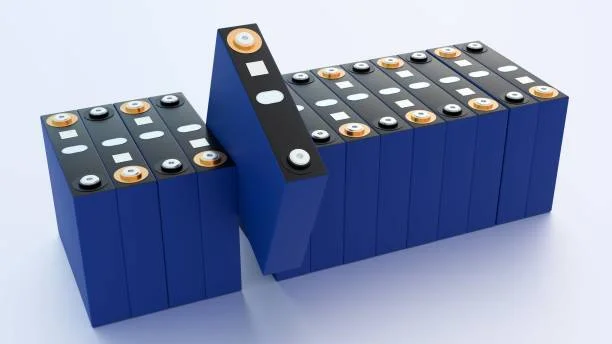
Electricity has one basic issue: it cannot be stored. For the last hundred years electricity has needed to be used within a few moments of its generation and that constrained how we have built our power systems, the business model for power utilities and how much autonomy individuals had over the electricity they used. Now that is rapidly being undermined Energy storage batteries. The energy storage battery is the quiet revolutionary whose impact is less obvious and much more profound than most of us can appreciate.
Electricity’s core difficulty has always been the issue of storage. For the last hundred years, power had to be used at or around the time it was produced, and that alone defined the shape of grid infrastructure, utility economics and people’s interaction with their energy. All of this is changing now: the rise of the energy storage battery is changing the rules of the game, with more practical implications than is widely understood.
You stop wasting the energy you already generate
One of the main frustrations for anyone with rooftop solar power generation is the fact that panels make most energy at midday, when households use least energy. Without a battery, any surplus energy goes to the grid, often with poorly negotiated terms, and you buy back power at full price when you need it that evening.
An energy storage battery addresses this head on: holding back your solar excess for exactly when you require it. This makes your solar investment a more active and aggressive asset: rather than sending your energy out hoping for the best, you store it Energy storage batteries, use it and become independent of the grid.
Your home keeps running when the grid goes down
Power outages are also on the rise all over the world. An aging infrastructure, extreme weather events, and greater demand on the grid result in more frequent and more extensive outages. For most of the homes and businesses around the country, nothing works without power; foods go to waste, life-saving medical equipment stops working, people cannot work efficiently and life halts for hours, even days.
With an appropriately sized battery storage system this completely changes. The system switches automatically, powering your home or business with uninterrupted power without you even realizing the grid has gone down. For homes with critical medical requirements, or businesses that incur significant losses due to downtime, this alone makes the battery system worth it Energy storage batteries.
You gain real control over your electricity costs
Most of the country does not pay a flat rate for electricity. The electric utility will make you pay more when demand is high (usually late afternoon and evening) and less when it’s low (overnight).
That’s called time-of-use rates and most people don’t have the capability without storage to not buy power during the high cost hours. With a battery you charge it during the low cost overnight time and then use power from the battery during the high cost period. Over months and years, those types of load shifting strategies result in significant savings to your electric bill. They also provide a hedge against future electricity rate increases which have historically gone up over long periods of time in most of the markets over a decade plus.
It supports a cleaner and more stable grid
But the advantages are not restricted to an individual house or business. With an increasing amount of renewable energy sources, such as wind and solar power being pumped onto the grid, demand and supply balancing becomes more difficult. It is not always windy and it does not always sun during night hours.
The storage system provides the intermediary which makes those sources reliable in larger scale. When a sufficient number of houses and business owners installed battery systems, the overall effect is a more balanced and stable grid which uses less coal, high cost and pollution, peaker plants that are installed just for demand fluctuations. Every battery you put on board is a part, however small, in cleaning our future energy sector.
Commercial and industrial users benefit even more
Though residential storage batteries often draw attention, their benefits grow tremendously with commercial and industrial scale operations. Due to the demand charge structure imposed on the large facilities that are a major draw for electricity, charging fees are levied based on peak consumption, not total usage. This may account for a large percentage of a commercial facility’s bill. A well engineered energy storage container system enables large electricity consumers to reduce these peak demands by drawing energy from stored batteries during the time they consume the most energy. Simply reducing demand charges can pay off a system investment in just a few years, a key reason why commercial battery storage is such a financially viable commercial building improvement
Battery technology is maturing fast
Back then, storing power meant big costs, heavy gear, lots of upkeep. Things shifted fast though. Now lithium-ion cells – same ones driving EVs – are way better across the board. Over a decade, their run time grew while space needs shrank. Industry data shows expenses fell beyond ninety per cent post-2010.
These days, batteries built on newer designs – such as lithium iron phosphate – are showing up more often in home and business energy systems. Their edge? Better heat resistance along with lasting much longer than older types. At first only available to tech enthusiasts willing to take a chance, they’ve now become standard options. Buyers across different needs can get them without worrying about reliability.
FAQs
1. What determines how many years a battery for storing power will work?
Most newer lithium batteries handle around 4,000 to 6,000 charges before wearing out. That kind of use often lasts a decade or more under everyday conditions. Reputable makers tend to back their products with promises matching that timeline. A solid guarantee sticks around just as long.
2. Do I need solar to install a home battery system?
Most times electricity costs less at night. So filling up a battery then means using it when prices jump later. Yet putting that battery together with rooftop panels cuts bills even more. Sunlight charges the unit freely. That setup runs on its own. It leans less on outside supply.
3. Using a home battery setup, just how low might your power costs go?
Most folks see different results based on local power costs, when they use electricity, along with how big their setup is. In sun-rich spots where peak pricing hits hard, home battery payback often lands between five and eight years – meaning extra cash stays in pocket long after.
4. A house battery usually sits inside a residence.
On the opposite end, a storage container stands outside, built like a box on a large scale. One powers individual homes. Meanwhile, the other handles power for entire sites or neighborhoods. Size sets them apart sharply. Also, installation location matters quite a bit. Their jobs overlap slightly. Yet their scope differs greatly in practice.
Most homes use batteries that fit their needs – these often hold anywhere from 5 to 20 kilowatt-hours. When bigger setups demand more juice, containers built for storing energy step in; they scale up easily, serving factories, businesses, or entire grids. Though one suits a single roof, the other powers zones far beyond backyards.
5. Should I buy an energy storage battery now?
Pricing dropped a lot lately – some national programs might still help cut costs. Bills keep climbing over time; getting set up early means locking in savings faster. The shift starts once power flows through your own setup instead of the grid.
The right system makes all the difference
It’s one thing to know the benefits of energy storage; it’s quite another to select the correct system for your needs. Different people have very different storage requirements based on their energy usage patterns, whether or not they have solar, what their utility’s rates are, and what kind of backup capacity they wish to have.
This is why it is so important to work with a reputable provider that first takes the time to find out how your home works, and then and only then can they provide you with the correct battery system for you. A properly sized battery install will achieve every one of the benefits that I outlined above, where a wrongly sized system will simply lose some value along the way Energy storage batteries. It’s only as good as the knowledge behind it.