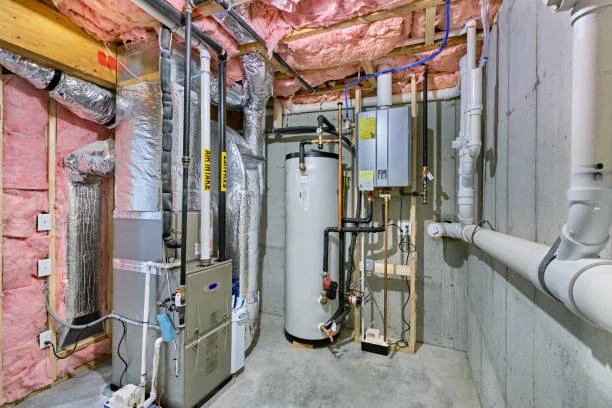
Proper furnace installation is key to keeping your house warm and comfortable during cold weather. Selecting the right furnace model, preparing your home, and making sure the system operates efficiently are fundamental steps in the process. Here’s information about the furnace installation and setup process:
Completing the Preliminary Consultation
The furnace installation may begin with an in-home consultation to assess your heating requirements. A technician evaluates the size of your house, the number of rooms, and the quality of your insulation. They then help you choose a furnace that suits your requirements based on its efficiency and capacity. Various types of heating systems are available, including traditional gas furnaces, heat pumps, and mini-split systems, and each one offers different advantages depending on the size and layout of your home.
The technician can explain the furnace’s efficiency rating (AFUE), which measures energy consumption and potential savings. They’ll also guide you in selecting between a single-stage, two-stage, or modulating furnace based on your comfort preferences. A modulating furnace gradually adjusts its heat output. It helps maintain a more consistent temperature, so it may be ideal for optimal comfort and efficiency. The consultation makes sure you have a complete understanding of your furnace options before moving forward.
Preparing for Installation
Before furnace installation, the area surrounding the unit should be cleared to allow for proper access. The furnace should be placed in a location with adequate air circulation and ventilation, typically in a basement, attic, or utility room. Technicians need sufficient space to set up the new furnace, so clearing the area beforehand is fundamental. When replacing an old furnace, make sure any gas lines, electrical connections, and ventilation systems are code-compliant and safe for use with the new unit. Proper ventilation is also needed to safely exhaust combustion gases. Your home should have an appropriate venting system, such as a chimney, sidewall vent, or power vent.
Removing the Old Furnace
When replacing an old furnace, technicians first shut off all power and gas supply to the unit. The furnace is carefully disconnected from the ductwork, gas lines, and electrical components. Technicians inspect the condition of any venting and connections to determine if they’re able to accommodate the new furnace. Vents may need resizing or repairs in some cases; this helps improve airflow efficiency.
Technicians also check the installation area for issues such as mold, moisture, or rust. These concerns may affect the new furnace. The old furnace is then dismantled and removed from the installation site. Technicians can then discard the unit in accordance with local recycling and disposal procedures. Removing the old unit creates space for the new furnace, and it provides an opportunity to assess and enhance the efficiency and safety of the home’s heating system.
Installing the New Furnace
The technician installs and levels the new furnace to promote proper operation. Depending on the furnace type, they’ll connect it to the home’s gas supply or electrical system. The technician verifies that the venting system is correctly installed for the safe removal of combustion gases, using either direct venting or chimney venting as appropriate. They also seal any vent connections to prevent energy loss and ensure proper airflow. The thermostat is connected to the furnace to control temperature settings. For high-efficiency units, technicians confirm that all condensate drainage pipes are properly installed.
Additional components, such as humidifiers or air purifiers, may also be installed based on the furnace type. After these steps, the furnace undergoes safety and efficiency testing; this includes checking for gas leaks, proper airflow, and safe ignition. Technicians make sure the system complies with manufacturer specifications and all local code requirements.
After installation, the technician may discuss a recommended maintenance schedule. They’ll also explain how to operate the furnace efficiently, including setting the thermostat, adjusting fan settings, and understanding safety features. These discussions can help you maximize comfort and energy savings in your home.
Schedule Your Furnace Installation
Furnace installation is a comprehensive process designed to maintain a warm and comfortable home. By carefully evaluating your heating needs and selecting the most suitable furnace type, you can improve energy efficiency and reduce heat loss. Proper installation, testing, and adherence to maintenance recommendations make sure your system remains safe and reliable for years. Schedule a consultation with a qualified technician to begin the installation process.