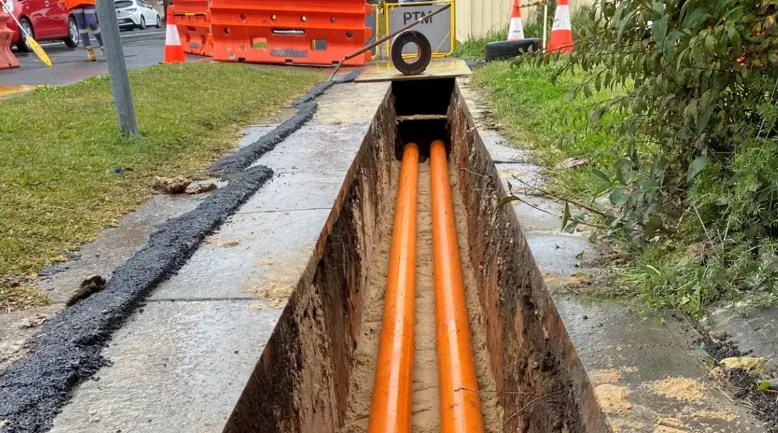
Electrical trench depth is a critical factor in the safe and compliant installation of underground electrical cables. Whether for residential, commercial, or industrial projects, trenching must meet specific depth requirements to protect cables from damage and reduce safety risks. Proper trench depth ensures that electrical systems remain reliable while complying with relevant regulations and standards.
Underground cabling is commonly used to supply power to buildings, outdoor lighting, sheds, machinery, and infrastructure. Installing these cables below ground provides protection from environmental exposure and accidental contact. However, improper trench depth can result in cable damage caused by vehicle traffic, landscaping activities, soil movement, or future excavation work. This is why understanding and applying correct trench depth standards is essential for contractors, electricians, and property owners.
Electrical trench depth requirements vary depending on several factors. These include the type of cable installed, the voltage level, the location of the trench, and whether additional protective measures such as conduit or mechanical protection are used. Local regulations and national electrical codes provide guidance on minimum burial depths to ensure safety and durability.
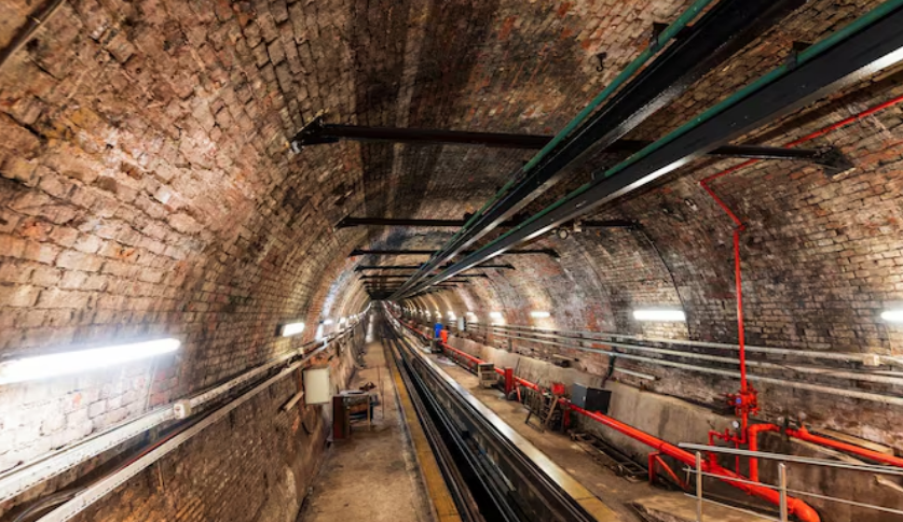
In residential settings, underground cables supplying power to homes or outdoor structures often require a minimum burial depth. The depth may differ if the cable is installed directly in the ground versus placed inside a conduit. Conduit systems typically allow for slightly reduced depth because they provide additional physical protection. In areas subject to vehicle traffic, such as driveways or roads, deeper trenching is generally required to withstand load pressure.
Commercial and industrial projects may have stricter requirements. Higher voltage systems and larger-scale infrastructure demand increased protection. Engineering specifications often outline exact trench dimensions, bedding materials, and backfilling procedures. These measures are designed to prevent cable strain, overheating, and mechanical damage over time.
Soil conditions also influence trench depth and construction methods. Rocky soil may require additional bedding material to cushion the cable. Areas prone to erosion or ground movement may need deeper installation or added protection to maintain cable stability. Proper compaction during backfilling is equally important, as poorly compacted soil can lead to settling and future surface damage.
Midway through planning and excavation, contractors often review guidelines related to electrical trench depth to ensure compliance with safety standards and project specifications. This step helps prevent costly rework and ensures inspections can proceed without delays. Meeting the correct depth requirements from the start improves efficiency and reduces long-term risks.
In addition to depth, trench width and separation from other underground services must be considered. Electrical cables should maintain safe distances from water pipes, gas lines, and telecommunications infrastructure. Proper spacing reduces the risk of interference and simplifies future maintenance work. Warning tape is commonly installed above buried cables to alert anyone digging in the area.
Thermal performance is another consideration in underground installations. Electrical cables generate heat during operation, and soil acts as insulation. If cables are buried too shallow or too deep without proper planning, heat dissipation may be affected. Engineers account for soil type, cable load, and grouping of multiple cables to ensure the system operates within safe temperature limits.
Safety during installation is equally important. Excavation work presents hazards such as trench collapse, equipment accidents, and underground utility strikes. Contractors must follow workplace safety regulations, use appropriate shoring where necessary, and confirm the location of existing services before digging. These precautions protect workers and prevent damage to the surrounding infrastructure.
Inspection and approval processes are typically required before trenches are backfilled. Regulatory authorities or project supervisors may verify trench depth, cable placement, and protective measures. Documentation of compliance helps avoid legal issues and confirms that the installation meets industry standards.
Technological advancements have also influenced trenching practices. Modern cable protection systems, improved conduit materials, and advanced excavation equipment allow for more precise installations. Despite these improvements, adherence to established depth requirements remains essential. No material or technology can fully compensate for insufficient burial depth.
Maintenance and future access should also be considered during installation. Accurate records of trench locations and depths assist with future repairs or upgrades. Clear documentation reduces the risk of accidental damage during later construction or landscaping projects.
Cost is often a factor in determining trench specifications, but reducing trench depth to save time or expense can lead to high long-term costs. Repairs, legal liability, and system downtime can far exceed initial savings. Investing in proper trenching practices supports durability and safety.
Conclusion
Electrical trench depth plays a central role in the safety, reliability, and compliance of underground power installations. Depth requirements vary based on cable type, voltage, location, soil conditions, and protective systems. Proper planning, adherence to regulations, and careful installation practices reduce the risk of damage, injury, and costly repairs. By meeting established standards and verifying trench specifications before backfilling, contractors and property owners help ensure long-term performance and safety in electrical infrastructure.