
You’ve seen it happen more than once. A place feels layered and authentic; then suddenly it turns into a backdrop for the same ten photos across every social feed. Iceland is the classic example. Still undeniably beautiful, but the sense of discovery has largely faded.
That’s why it makes sense to plan trips differently now. Instead of chasing whatever is trending this season, you start looking for underrated travel destinations that are only beginning to surface. Places with strong local culture, manageable tourism, and prices that haven’t yet caught up with global hype. For 2026, this mindset matters more than ever. Demand is rising, but traveler behavior is shifting toward quieter, more intentional experiences.
What follows isn’t a list of random pins on a map. These are hidden travel gems with real momentum. Improving infrastructure, growing cultural scenes, and enough depth to reward curious travelers without overwhelming them.
Europe’s Quiet Standouts (For Now)
Europe still has room for surprise, if you’re willing to look past the usual capitals.
Lavaux Vineyard Terraces stretch along Lake Geneva in a way that feels almost unreal. Thousands of hand-built terraces, local Chasselas wine rarely exported, and walking paths where vineyard workers still greet you like a neighbor. It’s a reminder that “world-class” doesn’t have to mean crowded.
In northern Italy, Vicenza offers Renaissance architecture on a scale that should attract masses, but doesn’t. With more than 20 works by Andrea Palladio inside the city itself, it feels like Florence without the pressure. You linger instead of rushing.
Further north, Dumfries and Galloway is quietly redefining slow travel. Coastal paths, empty beaches, and Wigtown, home to hundreds of thousands of second-hand books, make it ideal for travelers who prefer conversations over crowds.
These places share one thing. They reward time. That’s increasingly rare in mainstream European travel.
Cultural Crossroads With Real Depth
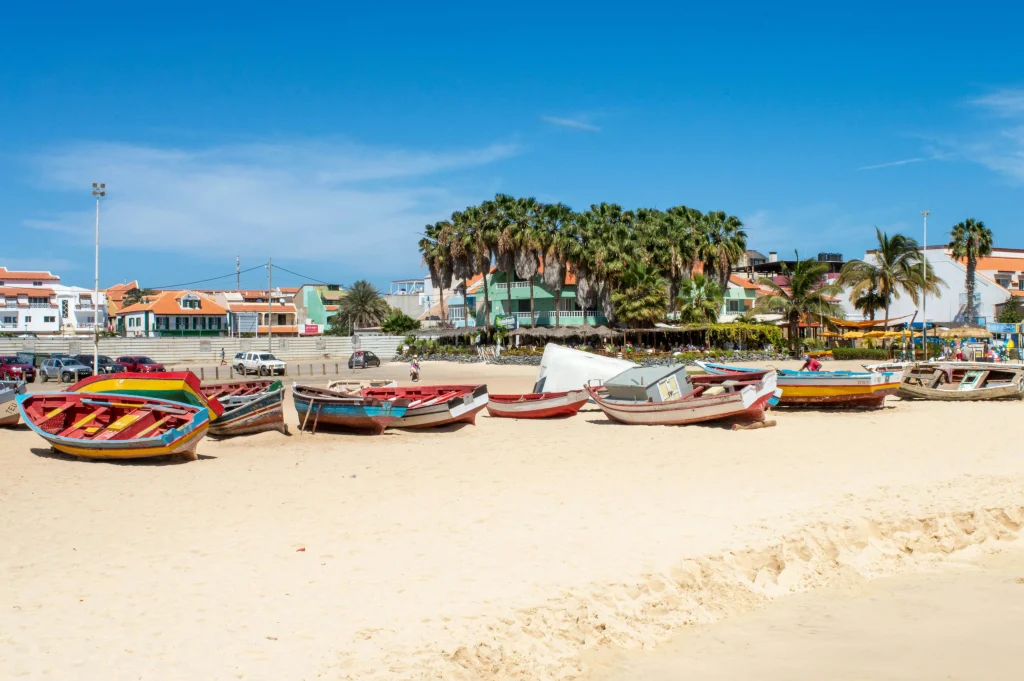
Cape Verde is one of those places. African, European, and Atlantic influences blend naturally, visible in language, music, and daily life. Hiking volcanic terrain in the morning and sharing grilled fish with locals at night doesn’t feel curated. It feels normal.
In the Caucasus, Geghard Monastery is carved directly into stone, with acoustics so precise that even a single chant fills the space. Nearby, Kakheti tells a different story. 8,000 years of winemaking history that predates most European vineyards.
Southern Europe has its own surprises. Greece’s Mani Peninsula feels raw and unapologetic, with medieval tower houses built for defense, not decoration. Andalusia’s white towns, perched above valleys and coastlines, still function as living communities rather than tourist stages.
These are off-the-beaten-path destinations where culture isn’t explained on plaques. It’s encountered.
When the Journey Filters the Crowd
Some places stay special because they require effort. That’s not a flaw. It’s a feature.
Lake Bohinj sits quietly in Slovenia’s Julian Alps, overshadowed by nearby Lake Bled. No motorboats. Fewer tour buses. Just an 11-kilometer path where reflections change with the light and locals casually explain why they prefer it this way.
In Southeast Asia, The Gibbon Experience isn’t easy to reach, and that’s intentional. Treehouses suspended above the forest, kilometers of zip lines, and a business model that reinvests heavily in conservation. Adventure here has consequences, and that’s the point.
Then there’s North Sulawesi, sitting inside the Coral Triangle. Diving reveals coral formations the size of buildings. Not bleached, not fenced off, just quietly existing. You won’t find mega-resorts here, and that’s exactly why it works.
If you’re actively researching new travel destinations, this is where broader planning helps. This is where thoughtful guides like Next Level of Travel make it easier to discover destinations that still feel personal rather than overproduced. The right context turns uncertainty into confidence.
Why These Places Matter in 2026
Travel patterns are changing. Fewer checklist trips. More emphasis on space, sustainability, and genuine connection. That’s why emerging travel destinations in 2026 aren’t defined by novelty, but by balance.
There’s also a practical angle. Albania’s coast still delivers Mediterranean scenery without Mediterranean pricing. Türkiye continues to offer exceptional value compared to Western Europe. Scandinavia’s projected growth reflects demand for nature-forward travel, not nightlife.
These shifts align with broader future travel trends. Slower itineraries, regional depth, and destinations that can absorb visitors without losing themselves.
What to Take Away
The window for genuine discovery hasn’t closed, but it is narrowing. The destinations above won’t stay under the radar forever. When they change, it won’t be overnight, but it will be irreversible.
Choosing lesser-known places isn’t about avoiding people for the sake of it. It’s about experiencing places before they start performing for visitors. Before menus become translations of translations. Before locals stop asking where you’re from because they’ve already answered that question a thousand times.
If 2026 travel means anything, it means choosing depth over noise. And that choice is still yours, for now.