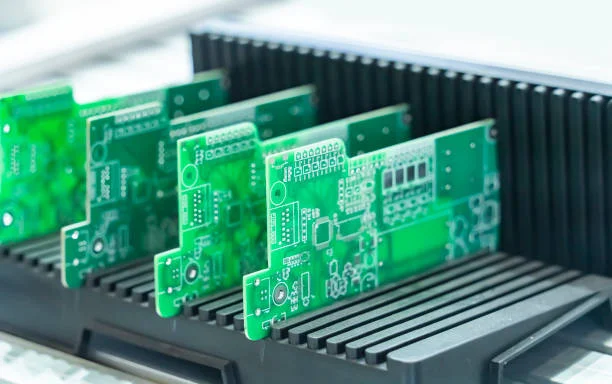
Printed Circuit Boards (PCBs) are the fundamental building blocks of modern electronics. Nearly every electronic device—from smartphones and computers to industrial automation systems and medical equipment—relies on PCBs to support and connect electronic components. As technology has evolved, so have the designs and structures of PCBs, leading to a variety of PCB types tailored for different applications and performance requirements.
Understanding the different types of PCB is essential for engineers, manufacturers, product designers, and businesses involved in electronics development. Each type of PCB offers unique advantages in terms of flexibility, density, durability, and electrical performance.
This comprehensive guide explores the major PCB classifications, their structures, benefits, and typical applications, helping readers understand how to select the most appropriate PCB design for specific electronic systems.
What Is a PCB?
A Printed Circuit Board is a flat board made from insulating material that mechanically supports and electrically connects electronic components using conductive pathways, commonly known as copper traces.
Before PCBs became widely used, electronic devices relied on point-to-point wiring. This approach was time-consuming, error-prone, and difficult to scale. PCBs revolutionized electronics manufacturing by enabling standardized, compact, and reliable circuit designs.
Modern PCBs can range from simple single-layer boards to extremely complex multilayer circuits containing dozens of layers.
Why Different Types of PCBs Exist
Electronics today serve many industries, each with unique performance requirements. For example:
- Consumer electronics prioritize compact size and high integration.
- Automotive electronics require durability and heat resistance.
- Aerospace systems demand high reliability under extreme conditions.
- Medical devices require precision and safety.
To meet these diverse needs, PCB technology has evolved into several structural and functional categories. These classifications are typically based on factors such as layer count, mechanical flexibility, material composition, and application environment.
Classification of PCB Types
PCBs are commonly classified in several ways, including:
- By number of layers
- By mechanical flexibility
- By material type
- By special manufacturing technology
Understanding these classifications helps engineers select the most appropriate board architecture.
PCB Types Based on Layer Structure
Single-Sided PCB
Single-sided PCBs are the simplest type of printed circuit board. They contain only one layer of copper traces mounted on a substrate material, usually FR-4 fiberglass.
Components are mounted on one side of the board, while the conductive traces are located on the other side.
Advantages
Single-sided PCBs offer several benefits:
- Low manufacturing cost
- Simple design and fabrication
- Easy assembly and maintenance
Applications
Because of their simplicity, single-layer PCBs are commonly used in low-complexity electronics such as:
- Calculators
- LED lighting
- Basic household appliances
- Power supplies
Although they are gradually being replaced by more advanced designs, single-sided PCBs remain widely used in cost-sensitive products.
Double-Sided PCB
Double-sided PCBs contain conductive copper layers on both sides of the board. This allows components to be mounted on either surface and enables more complex circuit routing.
Electrical connections between the two layers are created using vias, which are small holes plated with copper.
Advantages
Double-sided PCBs provide:
- Higher circuit density
- More flexible routing options
- Improved functionality compared to single-layer boards
Applications
Double-sided PCBs are commonly used in:
- Consumer electronics
- Industrial control systems
- power converters
- automotive electronics
They represent a balance between manufacturing complexity and circuit capability.
Multilayer PCB
Multilayer PCBs consist of three or more conductive layers stacked together with insulating materials between them.
Modern high-performance electronics frequently use multilayer PCBs containing anywhere from 4 to more than 20 layers.
Advantages
Multilayer boards provide several significant advantages:
- Extremely high component density
- Reduced electromagnetic interference
- Improved signal integrity
- Greater design flexibility
Because of these benefits, multilayer PCBs are essential for advanced electronics.
Applications
Multilayer PCBs are widely used in:
- smartphones
- laptops
- servers
- networking equipment
- medical imaging systems
- aerospace electronics
Manufacturing multilayer PCBs requires advanced fabrication technology and strict quality control standards. Professional manufacturers with specialized capabilities, such as <a href=”https://www.pcbinq.com/”>www.pcbinq.com</a>, typically support the production of complex multilayer circuit boards used in modern electronic systems.
PCB Types Based on Flexibility
Another important classification of PCB types is based on mechanical flexibility.
Rigid PCB
Rigid PCBs are the most common type of circuit board. As the name suggests, these boards are built on solid substrate materials that cannot bend or twist.
The most widely used substrate is FR-4 epoxy fiberglass, which provides mechanical strength, electrical insulation, and thermal resistance.
Advantages
Rigid PCBs offer:
- Structural stability
- Cost-effective manufacturing
- Reliable electrical performance
Applications
Rigid PCBs are used in nearly all types of electronic equipment, including:
- desktop computers
- televisions
- industrial machinery
- communication equipment
Flexible PCB (Flex PCB)
Flexible PCBs are manufactured using flexible plastic substrates such as polyimide. These boards can bend, fold, and twist without breaking.
Flex circuits allow engineers to design electronic products with complex shapes and compact structures.
Advantages
Flexible PCBs provide several key benefits:
- Lightweight design
- Space-saving configurations
- Improved reliability in moving parts
- Reduced wiring requirements
Applications
Flexible PCBs are commonly found in:
- cameras
- wearable devices
- medical instruments
- smartphones
- aerospace electronics
Their ability to adapt to limited space makes them ideal for modern miniaturized devices.
Rigid-Flex PCB
Rigid-flex PCBs combine rigid boards with flexible circuits into a single integrated structure.
This design eliminates the need for connectors between rigid boards and flexible cables, improving reliability and reducing assembly complexity.
Advantages
Rigid-flex PCBs offer:
- High durability
- Reduced interconnection failures
- Improved mechanical reliability
- Compact product design
Applications
Rigid-flex PCBs are widely used in high-reliability industries such as:
- aerospace
- military systems
- medical devices
- advanced robotics
Due to their complexity, rigid-flex boards require advanced engineering expertise and manufacturing precision.
Specialized PCB Types
In addition to basic classifications, several specialized PCB technologies have emerged to meet specific technical requirements.
High-Density Interconnect (HDI) PCB
HDI PCBs are designed for extremely high circuit density. They use advanced technologies such as:
- microvias
- laser drilling
- fine-line traces
- sequential lamination
Advantages
HDI PCBs provide:
- smaller board size
- improved signal performance
- enhanced routing capability
Applications
HDI technology is widely used in:
- smartphones
- tablets
- wearable electronics
- high-speed communication systems
Metal Core PCB
Metal core PCBs use a metal base layer—typically aluminum or copper—to improve heat dissipation.
These boards are specifically designed for high-power applications where thermal management is critical.
Advantages
Metal core PCBs provide:
- superior heat dissipation
- improved mechanical stability
- longer component lifespan
Applications
Metal core boards are commonly used in:
- LED lighting systems
- power electronics
- automotive lighting
- industrial power equipment
Ceramic PCB
Ceramic PCBs use ceramic substrates instead of traditional fiberglass materials.
These boards provide excellent thermal conductivity and electrical insulation.
Advantages
Ceramic PCBs offer:
- high temperature resistance
- low signal loss
- excellent thermal performance
Applications
Ceramic PCBs are widely used in:
- aerospace systems
- high-frequency electronics
- medical equipment
- power modules
Choosing the Right PCB Type
Selecting the appropriate PCB type depends on several engineering considerations.
Circuit Complexity
Simple circuits may only require single or double-layer PCBs, while high-performance electronics require multilayer boards.
Mechanical Requirements
Products with moving parts or compact spaces may benefit from flexible or rigid-flex designs.
Thermal Management
Applications involving high power levels may require metal core or ceramic PCBs for effective heat dissipation.
Manufacturing Cost
Budget constraints also influence PCB selection. More complex designs generally require higher manufacturing investment.
Experienced PCB manufacturers often assist customers in selecting the most suitable board architecture based on performance requirements and production scale. Industry providers such as https://www.pcbinq.com support a wide range of PCB technologies designed to meet diverse electronic manufacturing needs.
The Role of PCB Technology in Modern Electronics
PCB technology has played a crucial role in enabling the rapid advancement of electronic devices over the past several decades.
Key innovations in PCB design have made it possible to:
- reduce device size
- increase computing power
- improve signal reliability
- support high-frequency communication systems
From consumer electronics to advanced aerospace systems, PCB technology remains at the core of modern electronic infrastructure.
Future Trends in PCB Development
As electronics continue to evolve, new PCB technologies are emerging to meet increasing performance demands.
Ultra-HD PCB Designs
Future circuit boards will use even finer traces and microvias to support next-generation semiconductors.
Embedded Components
Passive components such as resistors and capacitors may be embedded directly within PCB layers to save space.
Advanced Materials
New substrate materials are being developed to support high-frequency applications such as 5G communication and advanced computing.
Smart Manufacturing
Automation and artificial intelligence are transforming PCB fabrication processes, improving production efficiency and defect detection.
Conclusion
Printed circuit boards are one of the most important technologies in modern electronics. Understanding the different types of PCB helps engineers and manufacturers select the best solutions for specific applications.
From simple single-layer boards to advanced HDI and rigid-flex designs, PCB technology continues to evolve to support increasingly complex electronic systems. As industries demand faster, smaller, and more reliable devices, the diversity and sophistication of PCB designs will continue to expand.
By understanding the capabilities and advantages of different PCB types, engineers and product developers can make informed decisions that enhance both product performance and manufacturing efficiency.
Ready to go further? Explore more valuable content right here at Management Works Media.