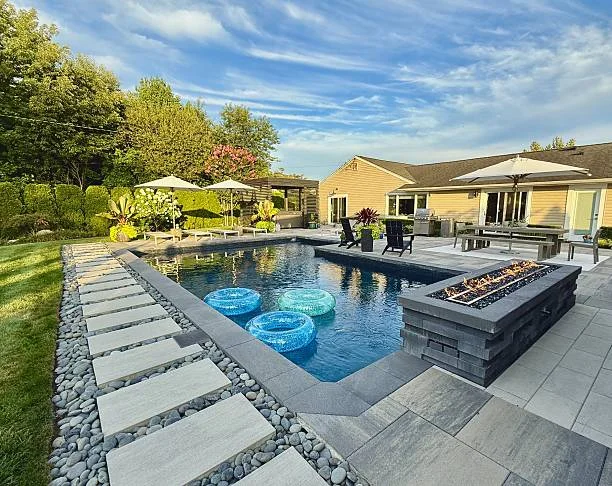
Your backyard can be a place of relaxation and enjoyment, especially when it features a pristine swimming pool. However, over time, pools may show signs of wear and tear, necessitating professional pool resurfacing. This process can rejuvenate your swimming pool, enhancing both its appearance and functionality.
The Importance of Pool Resurfacing
Pool resurfacing is crucial for maintaining the aesthetics and integrity of your swimming pool. Over years of use, factors such as sunlight, chemicals, and weather conditions can cause pool surfaces to deteriorate. Resurfacing not only revitalises the look of a pool but also helps in extending its lifespan by addressing issues like cracks, stains, and rough patches.
Understanding the Resurfacing Process
Professional pool resurfacing involves several steps, ensuring that your pool looks its best once the process is complete. Initially, the existing surface is prepared, often by draining the pool and cleaning the surface thoroughly. This step is essential to remove any debris and contamination that might interfere with the resurfacing materials.
Choosing the Right Resurfacing Material
The choice of resurfacing material can significantly affect the pool’s look and durability. Common materials include plaster, aggregates, and tiles. Plaster is a traditional choice that provides a smooth and classic finish. Aggregate finishes offer durability and a variety of aesthetic options, while tile surfaces are known for their luxurious appearance and ease of maintenance.
Plaster Finishes
Plaster is one of the most common and cost-effective resurfacing options. It typically involves a mixture of white cement and marble sand, which provides a smooth and watertight finish. Despite its affordability, plaster surfaces may require more frequent maintenance due to chipping and staining over time.
Aggregate Finishes
Aggregate finishes have gained popularity due to their durability and attractive appearance. They incorporate pebbles, stones, or glass beads into the pool’s surface, creating a unique texture and colour that can enhance your pool environment. These finishes are robust and have a longer lifespan than traditional plaster.
Tile Finishes
Tiles are the premium choice for pool resurfacing, offering a range of colours, designs, and textures. They are known for their elegance and ease of maintenance. Tiles can significantly enhance the visual appeal of a pool and are resistant to chemicals and UV rays, making them a durable option.
Benefits of Professional Pool Resurfacing
Investing in professional pool resurfacing brings numerous benefits. It not only improves the appearance of your pool but also enhances safety by smoothing out rough surfaces that could cause injuries. Additionally, it helps to improve water retention and can eliminate leakage problems, which are common in older, unmaintained pools.
Enhancing the Value of Your Property
A well-maintained swimming pool can significantly increase the value of a property. When potential buyers view a home, a beautifully surfaced pool’s can serve as a focal point, enhancing the overall appeal of the property. Regular maintenance and resurfacing ensure that this feature remains attractive and functional, adding to the property’s market value.
Sustainable Pool Resurfacing Practices
Modern pool’s resurfacing companies often incorporate sustainable practices into their operations. This might include using environmentally friendly materials, recycling old surfaces, and employing water-efficient methods during the process. Opting for eco-friendly resurfacing options can reduce your pool’s environmental footprint while ensuring its longevity and beauty.
When to Consider Pool Resurfacing
The timing for resurfacing a poo’sl depends on various factors such as age, condition, and usage frequency. Generally, pools require resurfacing every 8 to 15 years. Signs that resurfacing is needed include visible cracks, peeling, stains, and frequent repair needs. Early action can prevent further damage and extend the overall life of your pool’s.
DIY vs Professional Resurfacing
While some pool’s owners might consider DIY resurfacing to save costs, professional resurfacing ensures quality and long-term satisfaction. Experts can provide tailored services, utilising high-quality materials and techniques that are often unavailable to DIY enthusiasts. This approach minimises errors, future repair needs, and potential expenses.
Conclusion
Transforming your pool’s through expert resurfacing can dramatically enhance your backyard oasis. Whether you choose plaster, aggregate, or tile finishes, professional resurfacing ensures durability, beauty, and increased property value. By staying attentive to your pool’s resurfacing needs, you can ensure a safe and attractive swimming environment for years to come.
Stay curious with related posts chosen to deepen your understanding.