Kindergarten is an early childhood educational program typically designed for children aged five to six. It supports social, emotional, and cognitive development, helping children acquire the skills they need to succeed academically and socially Kindergarten programs. Quality programs create environments that encourage curiosity, creativity, and collaboration, giving children the tools to thrive in their formative years.
Early childhood education is a critical stage that influences later academic achievements and social adaptation. Programs that prioritize interactive learning, skilled instruction, and safe, engaging spaces help children build confidence and resilience, with options such as Small Wonder kindergarten East Singapore available to families. East Singapore has developed a strong network of top-rated kindergartens catering to the diverse needs of families in the area, offering programs that combine structured curricula with opportunities for play and exploration.
This article examines the leading kindergarten programs in East Singapore, highlighting what makes them stand out, how they support early learning, and why they are an excellent choice for parents seeking high-quality early education.
Key Features of High-Quality Kindergarten Programs
Engaging and Interactive Learning
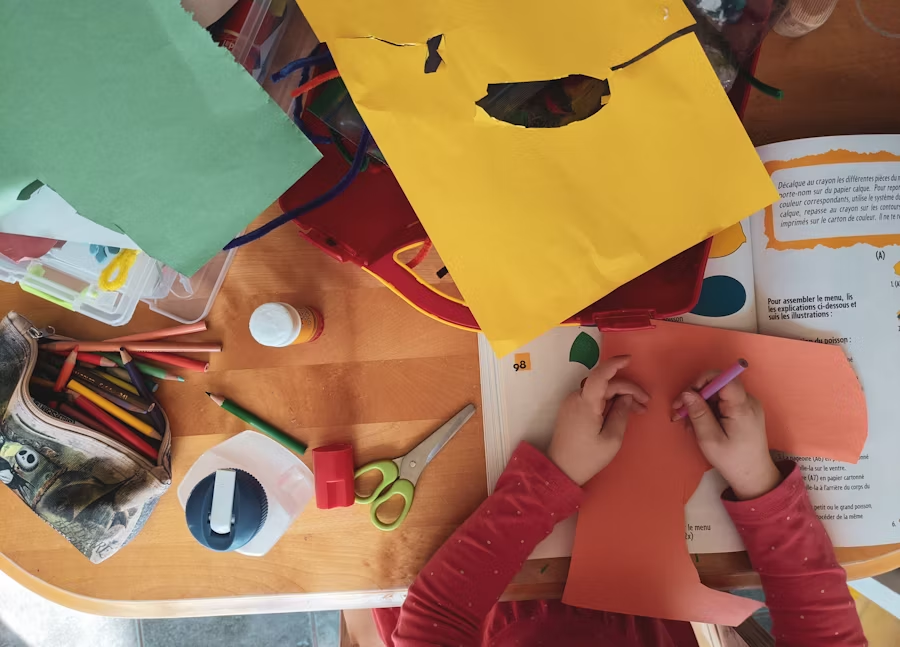
Programs that use play-based and hands-on activities stimulate curiosity and encourage active participation. Children learn more effectively when lessons are fun and engaging, allowing them to explore ideas, practice problem-solving, and develop social skills in collaborative settings. Activities like storytelling, arts and crafts, group games, and practical experiments create a dynamic learning environment that nurtures both cognitive and emotional development.
Skilled and Dedicated Educators
Teachers with appropriate training and experience contribute significantly to a child’s early learning journey. A dedicated team can identify individual learning needs, adapt teaching strategies, and create a supportive classroom culture. Educators provide guidance, encouragement, and mentorship, ensuring that children receive both academic instruction and social-emotional support.
Balanced Student-Teacher Ratios
Maintaining a healthy ratio between students and teachers allows for meaningful interaction, personalized attention, and effective monitoring of children’s progress. Smaller groups make it easier for teachers to respond to individual needs, recognize strengths and challenges, and provide tailored guidance.
Positive and Supportive Atmosphere
Kindergartens that prioritize a welcoming and nurturing environment encourage children to explore confidently. A classroom culture based on respect, encouragement, and collaboration fosters self-esteem and motivation. Children in such settings are more likely to engage fully with activities, develop healthy social relationships, and build confidence in their abilities.
Challenges Parents Face in Selecting the Right Kindergarten
Wide Array of Choices
The abundance of kindergarten options can make decision-making overwhelming for parents. Evaluating the quality, curriculum, and approach of each program requires careful attention, research, and comparisons to determine the best fit for a child’s personality, learning style, and family requirements.
Accessibility and Location
Proximity to home or workplace plays an important role in daily routines and scheduling. Kindergartens that are conveniently located reduce commute time and make it easier for parents to coordinate drop-offs, pick-ups, and participation in school activities.
Affordability
Financial considerations are a practical aspect of choosing a program. Tuition fees, additional activity costs, and resources should align with the family budget without compromising on quality or learning outcomes.
Evaluation Criteria for Top-Rated Kindergartens
Curriculum and Educational Philosophy
A kindergarten’s educational approach influences how children engage with learning. Strong programs integrate structured lessons with experiential learning, focusing on language development, numeracy, social skills, arts, and physical activity. Curricula that promote curiosity, critical thinking, and creativity support long-term academic and personal growth.
Quality of Educators
Teacher expertise directly impacts student outcomes. Programs with experienced and certified staff are better equipped to provide age-appropriate instruction, address diverse learning needs, and nurture social-emotional development effectively.
Parent Feedback and Testimonials
Insights from parents provide a valuable perspective on the program’s effectiveness, classroom environment, and staff interactions. Positive feedback highlights the school’s strengths and reliability, helping new families make informed choices.
Facilities and Resources
Comprehensive facilities contribute to learning and development. Safe playgrounds, interactive classrooms, creative spaces, and resource-rich environments support both structured lessons and unstructured exploration, offering children a well-rounded experience.
Reputation and Track Record
Programs with a strong reputation for academic quality, ethical practices, and positive outcomes demonstrate consistency in delivering valuable early education. Historical performance, community recognition, and alumni success provide indicators of a program’s effectiveness.
How East Singapore Kindergartens Support Leadership Development
Early Exposure to Problem-Solving
Kindergartens encourage children to think critically, explore solutions, and participate in decision-making exercises. These practices cultivate confidence, independence, and the ability to tackle challenges thoughtfully.
Collaborative Learning
Group activities and projects teach children how to work with peers, share ideas, and respect different viewpoints. Collaborative experiences develop communication skills, empathy, and the ability to lead or contribute effectively to team efforts.
Mentorship and Role Modeling
Educators guide children through structured mentorship, demonstrating leadership behaviors such as responsibility, accountability, and initiative. Children internalize these behaviors, which prepare them to take on leadership roles as they grow.
Real-Life Learning Applications
Hands-on projects, interactive scenarios, and community involvement allow children to apply concepts practically. Experiencing outcomes firsthand strengthens understanding and builds confidence in their abilities.
Conclusion
High-quality kindergarten programs in East Singapore provide children with a comprehensive foundation for future success. Programs focus on interactive learning, skilled instruction, and nurturing environments, promoting cognitive, social, and emotional growth.
Parents seeking strong early education options can find programs that align with their child’s needs and family logistics, offering opportunities for creativity, problem-solving, and social development. Participation in these programs equips children with the skills, confidence, and resilience required to excel in primary school and beyond, laying the groundwork for future leadership and personal achievements.
Featured read packed with standout insights and key takeaways at Management Works Media.