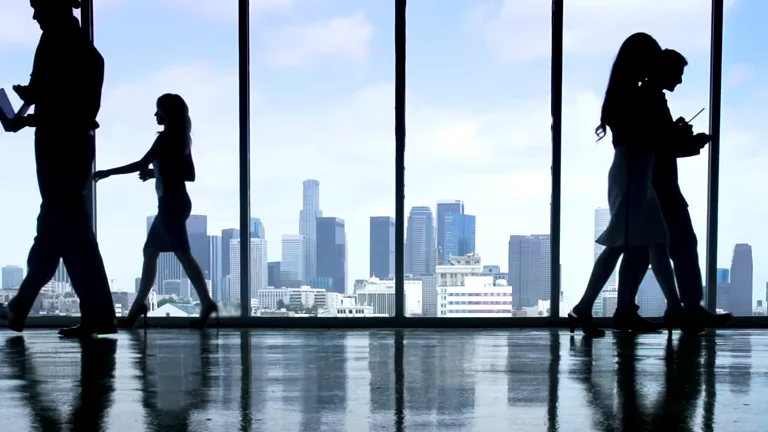
In today’s buildings, glass plays a much bigger role than just letting in sunlight. It’s part of the design, the mood, and the comfort of the space. But as open layouts, natural lighting, and large windows have become the norm, privacy and energy efficiency are harder to manage. That’s exactly where Smart Film Los Angeles steps in. It’s not just a design feature—it answers a question more and more homeowners and business owners are asking: how do we keep privacy, block harsh sun, and still enjoy the view?
Smart film uses an advanced layer that switches from clear to opaque in an instant. It’s powered by a small amount of electricity and works with just a button or a remote. And in a city like LA—where heat, light, and privacy needs shift hour by hour—that kind of control makes a difference. Whether you’re running a storefront or enjoying your morning coffee at home, the glass around you adapts to your lifestyle.
Let’s take a closer look at how smart film fits into homes, offices, and commercial properties across Los Angeles—from privacy and UV protection to energy savings and long-term value.
How Smart Film Provides Instant Privacy for Homes and Offices
Privacy doesn’t work the same way it used to. These days, rooms serve more than one purpose, and buildings are designed to feel open and connected. That’s great for aesthetics, but tricky when you want to keep things private—especially with so much glass. Smart film solves that instantly. It’s built using a special liquid crystal layer that changes its appearance when powered on or off. Clear when you want it. Opaque when you don’t.
In homes, this is a game changer. Bathrooms with exterior windows, glass partitions between rooms, or floor-to-ceiling windows looking out onto the street—these all need privacy that doesn’t block light. Smart film makes that possible without bulky blinds or permanent frosting. Just flip a switch, and the room becomes yours again.
In office spaces, it’s just as useful. Conference rooms, executive offices, and shared areas all benefit from flexible privacy. Instead of relying on mechanical shades that jam or age poorly, teams can switch between open and closed modes instantly. That kind of flexibility is key for spaces where meetings, calls, and private discussions happen throughout the day.
Here’s why it works so well:
- Switches from clear to private in less than a second
- Doesn’t need physical blinds or curtains
- Works with standard glass—no need to replace windows
- Connects to remotes, wall switches, or smart home systems
- Stays uniform across large surfaces—no gaps or shadows
Durability also isn’t a worry. Commercial-grade films are built to handle heavy use, rated for tens of thousands of transitions. In high-traffic spaces, that means years of smooth, reliable operation without needing replacement parts or maintenance.
Privacy isn’t static anymore. People need it to work with their lifestyle, their schedules, and their rooms—and smart film keeps up without getting in the way.
UV Protection Benefits of Smart Film for Los Angeles Properties
Sunlight makes Los Angeles living beautiful, but there’s a flip side. UV rays are constantly streaming through windows, damaging interiors even when you don’t notice. Furniture fades, flooring wears down, and artwork loses vibrancy. That’s where smart film plays a major behind-the-scenes role—it blocks more than 99% of harmful UV rays while still letting natural light in.
And this protection doesn’t rely on dark tints or closing blinds. It’s built into the film itself and works whether the film is in clear or opaque mode. That means your space stays bright, but without the long-term wear and tear that usually comes with it.
Why it matters:
- Hardwood floors stay richer, longer
- Furniture fabrics avoid fading
- Paint, decor, and electronics are protected
- Reduces glare without darkening the room
- Helps preserve resale value by maintaining interior condition
UV rays also impact personal health. Most people don’t realize that standard window glass blocks some UVB rays—but UVA, which causes deeper skin aging, still gets through. Smart film adds another layer of protection for your skin and eyes, especially in spaces with prolonged sun exposure.
For businesses, that’s even more critical. Storefront displays, high-end fixtures, and branded materials are expensive to replace. Smart film offers silent, full-day protection that preserves your investment without limiting visibility.
It’s also a huge help in managing light-related discomfort. Harsh afternoon glare makes screens hard to see and work environments uncomfortable. Smart film helps balance brightness without creating dark corners or making rooms feel closed off.
In a city with sunshine nearly every day, UV protection isn’t a luxury—it’s a practical choice. Smart film handles it without compromising design, mood, or openness.
How Smart Film Improves Energy Efficiency in LA’s Climate
Los Angeles is known for warm weather and long sunny days—but all that sunlight doesn’t come cheap. Cooling costs are a big part of local energy bills, and a lot of that heat comes through the windows. Smart film steps in by helping manage solar gain—the heat energy that builds up when sunlight hits untreated glass.
When smart film is switched to opaque, it scatters incoming light, reducing glare and deflecting heat. Even in its clear state, the film can reduce the amount of heat entering a space compared to bare glass. This means air conditioners don’t need to work as hard, and indoor temperatures stay more stable.
Here’s how smart film compares to other solutions:
| Feature | Standard Glass | Traditional Shades | Smart Film |
| UV Protection | Low | Moderate | High (99%+) |
| Solar Heat Block | Minimal | Variable | High |
| Light Control | None | All-or-nothing | Adaptive |
| Aesthetic Impact | None | Often cluttered | Seamless |
| Automation Compatibility | No | Some | Full integration |
Most window coverings require trade-offs—close the blinds, and you block the heat, but you also block the view and daylight. Smart film handles the heat while keeping the room usable and bright.
Cooling systems are among the highest energy consumers in LA buildings. Studies have shown that reducing solar heat gain at the window can cut cooling loads by 10% to 30%, depending on window orientation and building type. Over time, that adds up—not just in utility savings, but in reduced wear on HVAC systems too.
Smart film also encourages better energy behavior. Unlike blinds that people forget to close, smart film can be automated or scheduled. It adjusts with the sun’s angle, the time of day, or even interior temperature readings—giving you a building that responds instead of reacts.
In a climate like LA’s, where every degree counts, smart film is a powerful tool in cutting energy waste without cutting into design.
Smart Film vs Traditional Window Coverings in Los Angeles
For decades, blinds, curtains, and roller shades have been the go-to solution for managing privacy and sunlight. They’re familiar, easy to find, and usually cheaper at first glance. But when you look past the surface—at how spaces are actually used day to day—traditional window coverings start to fall short, especially in Los Angeles homes and commercial buildings.
The biggest issue is compromise. With blinds open, you get daylight but lose privacy. Close them, and the room feels shut off. Curtains fade over time, collect dust, and require constant upkeep. Even motorized shades, while more convenient, still rely on moving parts that wear down and need repairs.
Smart film works on a completely different principle. Instead of covering the glass, it becomes part of it. Light control and privacy happen within the glass itself, keeping clean lines and open sightlines intact. There’s no need to choose between brightness and discretion—both are available when needed.
Another key difference is consistency. Traditional coverings depend on people remembering to adjust them, which rarely happens at the right time. Smart film can be automated or centrally controlled, responding to real conditions like sunlight intensity, time of day, or room usage. That consistency leads to better comfort and better energy performance over time.
Maintenance also plays a role. Fabric shades discolor, fray, and trap allergens. Tracks bend, cords snap, motors fail. Smart film, by contrast, is sealed onto the glass surface. There are no exposed components, nothing to tangle or break, and cleaning is no different from wiping a window.
In commercial settings, traditional coverings can even become a liability. Hanging cords, bulky tracks, and protruding hardware don’t always meet modern safety or design standards. Smart film avoids those issues entirely by staying flush with the glass.
What truly sets smart film apart is adaptability. Spaces today aren’t single-purpose anymore. A conference room might host a presentation in the morning, a private meeting at noon, and a collaborative session in the afternoon. Traditional window coverings slow those transitions down. Smart film keeps up effortlessly.
When performance, longevity, and flexibility are taken into account—not just upfront price—smart film consistently outperforms legacy window treatments across Los Angeles properties.
Smart Film for Residential Spaces: Bathrooms, Bedrooms, and Living Areas
Modern residential design leans heavily on openness. Large windows, glass partitions, and seamless indoor-outdoor transitions are everywhere. While these features look great, they also introduce real challenges around privacy, glare, and comfort. Smart film fits naturally into this design style without disrupting it.
Bathrooms are one of the most popular residential uses. Glass showers and exterior-facing windows look clean and modern, but privacy is non-negotiable. Smart Film Los Angeles allows glass to stay clear during normal use and turn opaque instantly when privacy is needed. There’s no need for permanent frosting or curtains that break the visual flow of the space.
Bedrooms bring a different set of needs. Privacy, light control, and comfort all overlap here. Smart film gives residents control without making rooms feel boxed in. Morning light can filter through while maintaining discretion, and harsh glare can be softened without closing off the room entirely.
Living areas benefit just as much. Floor-to-ceiling windows are common in Los Angeles homes, but they often face neighbors or busy streets. Smart film restores control over visibility while keeping views intact when privacy isn’t a concern. It also adapts throughout the day as lighting conditions change.
From a comfort standpoint, smart film helps balance interior temperatures. By diffusing intense sunlight, it reduces hot spots near windows and improves overall comfort. This often means less reliance on air conditioning during peak daylight hours.
Maintenance is another reason homeowners gravitate toward smart film. It doesn’t trap dust, fade over time, or require mechanical adjustments. Cleaning is simple and quick, just like standard glass.
Key residential advantages include:
- Privacy without permanently blocking light
- Brighter, more open interiors
- Cleaner aesthetics with no visual clutter
- Reduced glare and improved comfort
- Seamless fit with modern home design
Smart features also influence resale value. Buyers increasingly see smart technologies as functional upgrades, not extras. Smart film fits that expectation by offering clear, everyday benefits that stand out in competitive housing markets.
Homes today are fluid spaces. Smart film supports that reality, giving residents control without compromising design or comfort.
Smart Film for Office and Commercial Use in Los Angeles
Commercial buildings face different pressures than residential spaces. Privacy requirements are stricter, energy costs are higher, and efficiency directly affects operations. Smart film addresses these demands at scale, making it a practical upgrade rather than a design indulgence.
In office environments, flexibility is essential. Conference rooms need transparency for collaboration and instant privacy for sensitive discussions. Smart film allows that shift to happen smoothly, without interrupting meetings or relying on manual adjustments.
In industries like healthcare, legal services, and finance, visual confidentiality is critical. Smart film provides reliable privacy without introducing materials that collect dust or interfere with sanitation protocols. Unlike curtains or blinds, it keeps surfaces clean and easy to maintain.
Retail and hospitality spaces use smart film differently. Here, adaptability and presentation matter most. Storefronts, partitions, and private areas can change throughout the day, supporting both openness and discretion depending on foot traffic and time of day.
From an operations standpoint, smart film integrates well with building management systems. Facilities teams can control privacy and light across multiple rooms or floors from a central point, reducing manual intervention and ensuring consistent performance.
Energy efficiency is a major driver for commercial adoption. Cooling costs represent a significant expense in Los Angeles office buildings. By reducing solar heat gain and glare, smart film helps stabilize indoor temperatures and ease the load on HVAC systems.
Durability is another advantage. Smart film systems are built for frequent use and high-traffic environments. With no exposed moving parts, they often outlast motorized shading systems and require far less maintenance.
Commercial benefits include:
- Instant privacy for sensitive areas
- Better use of shared spaces
- Lower maintenance and replacement costs
- Support for energy efficiency goals
- Clean, modern aesthetics
As workplaces continue to evolve toward flexible and hybrid models, smart film supports spaces that need to adapt quickly—without renovations or downtime.
Cost, Lifespan, and Maintenance of Smart Film in Los Angeles
When evaluating smart film, understanding cost and long-term value is essential. Unlike temporary window treatments, smart film is a permanent glazing upgrade designed to perform for years. Pricing depends on several factors, including system type, window size, and electrical integration.
Smart film pricing can vary widely based on system type, installation scale, and electrical integration. Below is a representative cost table to help you benchmark what you might expect in the Los Angeles market:
| Component | Typical Los Angeles Cost | Notes |
| Smart Film Material (per sq ft) | $65–$120 | Depends on thickness and manufacturer quality |
| Installation Labor (per sq ft) | $30–$70 | Includes cutting, wiring, and bonding |
| Control System (switch only) | $150–$300 | Basic wall switch control |
| Remote Control Upgrade | $200–$450 | Adds flexibility |
| Smart Home/Automation Integration | $400–$900+ | Voice/app control and scheduling |
| Electrical Hook-Up (per window) | $100–$250 | Varies with access and wiring complexity |
Cost differences are influenced by:
- Glass size and layout
- Electrical access and wiring complexity
- Automation and control preferences
- Residential versus commercial scope
While traditional blinds may seem cheaper initially, they often require replacement every few years. Smart film, by contrast, is built for longevity. Most systems are rated for 20,000 to 50,000 switching cycles and have an expected service life of 10 to 15 years or more.
Maintenance is minimal. There are no motors to service, no fabric to replace, and no hardware to adjust. Basic glass cleaning and occasional electrical checks are typically all that’s needed. Periodic inspections help ensure long-term performance, but overall upkeep remains low.
From an investment standpoint, many property owners focus on return over time. Smart film contributes through:
- Lower cooling costs
- Reduced replacement expenses
- Increased usability of spaces
Depending on usage and energy costs, many systems reach a return on investment within three to seven years. In commercial buildings, energy savings and improved occupant comfort often accelerate that timeline.
For spaces where privacy, light control, and efficiency matter daily, smart film consistently delivers stronger lifecycle value than traditional alternatives.
Final Thoughts: How Smart Film Can Improve LA Spaces
Smart film has become a practical upgrade for Los Angeles environments where sunlight is intense, privacy needs change throughout the day, and energy efficiency is increasingly important. Rather than acting as a surface add-on, it functions as an adaptive part of the building, responding to real use patterns and real conditions.
By turning standard glass into a responsive surface, smart film allows homes and workplaces to operate more naturally. Spaces stay open when they should, private when they need to be, and comfortable all day long.
For those exploring smart film options, Smart View Smart Film Solutions provides guidance on system selection, installation planning, and automation compatibility. To learn more or get professional input, contact Smart View today to discuss solutions tailored for Los Angeles homes and offices.
Frequently Asked Questions (FAQ)
How does Smart Film Los Angeles work on existing windows?
Smart film applies directly to existing glass and switches between clear and opaque using electrical current. Installation doesn’t require replacing windows, making it ideal for retrofits in homes, offices, and commercial spaces across Los Angeles.
Does smart film block UV rays and reduce heat inside a room?
Yes. Smart film blocks up to 99% of UV rays and reduces solar heat gain, helping stabilize indoor temperatures. This lowers cooling demand, especially during Los Angeles’ warm seasons, improving comfort and saving energy.
How long does smart film last before needing replacement?
Most smart film systems last 10–15 years, depending on usage and installation quality. They’re rated for tens of thousands of switching cycles, making them more durable than blinds or shades in high-use residential and commercial environments.
Can smart film connect to smart home devices and automation systems?
Smart film easily integrates with smart home platforms, allowing control through remotes, wall switches, voice assistants, or automated schedules. Integration enhances privacy, lighting, and energy management throughout the day.
How much does smart film cost in Los Angeles?
Smart film typically ranges from $95–$190 per square foot including installation. Pricing varies by window size, electrical complexity, and control systems. Many Los Angeles homeowners and businesses recoup costs through energy savings and reduced maintenance.