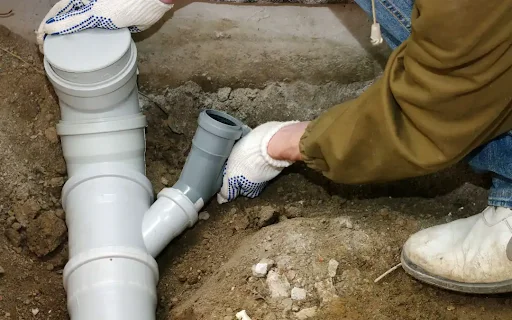
The top 7 most common plumbing issues are dripping faucets, running toilets, clogged drains, low water pressure, water heater problems, leaky pipes, and sewer line backups. These problems appear in many US homes and usually start small, but if ignored, they can turn into expensive plumbing repair situations. Understanding these issues early helps homeowners protect their plumbing system, reduce water waste, and avoid emergency plumbing situations.
Plumbing problems do not always mean a full breakdown. With basic awareness, regular plumbing maintenance, and timely action, many issues can be controlled before they cause serious damage. This guide explains the most common plumbing issues in simple terms and shows how they are usually fixed.
Table of Contents
- Dripping Faucets
- Running Toilets
- Clogged Drains
- Low Water Pressure
- Water Heater Problems
- Leaky Pipes
- Sewer Line Backups
- DIY Fixes vs Professional Help
- Common Plumbing Issues and Suggested Action
- Conclusion
- FAQs
1. Dripping Faucets
A dripping faucet is one of the most common plumbing issues found in residential plumbing across the United States. Many homeowners ignore it because it seems like a small problem, but a slow drip can waste gallons of water every day and increase utility bills over time.
Why Faucets Start Dripping?
Most dripping faucets are caused by worn-out washers, damaged seals, or faulty cartridges inside the fixture. In bathroom plumbing and kitchen sink plumbing, constant use slowly wears down these small parts. Hard water buildup can also damage internal components, especially in older homes.
Why Should This Problem Not Be Ignored?
A dripping faucet is more than just an annoying sound. Over time, it can:
- Increase monthly water bills
- Cause mineral stains on sinks and fixtures
- Lead to deeper plumbing repairs if internal damage spreads
Ignoring this issue may turn a simple fix into a larger plumbing service need.
How Is It Usually Fixed?
In many cases, fixing a dripping faucet involves replacing a washer or cartridge and cleaning internal parts. Turning off the water supply before repairs is essential. If the faucet continues to drip after basic fixes, it may indicate deeper plumbing inspection needs.
Regular plumbing maintenance helps prevent this issue by identifying worn parts early and keeping fixtures in good condition.
2. Running Toilets
A running toilet is another problem that frequently appears on the list of Most Common Plumbing Issues in US homes. This issue often goes unnoticed because the toilet still works normally, but it can waste a significant amount of water every day.
Common Causes of a Running Toilet
The most common reasons include:
- A damaged flapper that does not seal properly
- A faulty fill valve
- Improper water level in the tank
These small components play a big role in how efficiently a toilet operates.
Impact on Water Usage
A running toilet can waste hundreds of gallons of water each week. This not only increases utility bills but also puts unnecessary strain on the plumbing system. Over time, continuous water flow can affect other plumbing parts and lead to plumbing repairs.
Basic Fixes and When to Call a Professional
Replacing a flapper or adjusting the fill valve often solves the issue. These fixes are simple but must be done correctly to avoid further damage. If the toilet continues running after adjustments, professional plumbing repair may be required to prevent long-term problems.
Timely attention to running toilets helps maintain healthy residential plumbing and prevents water waste.
3. Clogged Drains
One of the most frustrating aspects for homeowners, especially when they disrupt daily routines and cause slow or blocked water flow, is being the #1 plumber in Apple Valley, MN, USA. Whether in bathroom plumbing or kitchen sink plumbing, slow or blocked drains disrupt daily routines and can lead to unpleasant odors and water backups.
What Causes Drain Clogs
Common causes of clogged drains include:
- Hair and soap residue in bathroom drains
- Grease and food particles in kitchen sinks
- Improper items flushed down toilets
Over time, these materials build up inside pipes, restricting water flow.
Safe Ways to Handle Clogged Drains
Many homeowners try chemical cleaners, but these products can damage pipes and create long-term plumbing issues. Safer methods include:
- Using a plumbing snake to remove blockages
- Flushing drains with hot water when appropriate
- Preventing debris buildup with drain covers
These methods support proper plumbing maintenance and reduce the risk of pipe damage.
Why Should Clogs Be Addressed Early?
Ignoring clogged drains can lead to pipe leaks, water damage, and even septic plumbing problems in severe cases. Early action helps avoid emergency plumbing situations and protects the overall plumbing system.
4. Low Water Pressure
Low water pressure is a common frustration in many US households. When water flows slowly from faucets or showers, daily tasks like washing dishes or taking a shower become difficult. This issue often signals underlying plumbing problems that should not be ignored.
Common Reasons for Low Water Pressure
Low water pressure can be caused by several factors, including:
- Mineral buildup inside pipes
- Hidden leaks in the plumbing system
- Issues with plumbing fittings or valves
- Problems in older residential plumbing systems
In some cases, the issue may affect only one fixture, while in others, it impacts the entire home.
How Homeowners Can Identify the Issue?
If low pressure appears in just one faucet, the problem may be limited to that fixture. However, if multiple areas are affected, a deeper plumbing inspection may be needed to check for leaks or pipe damage.
Addressing low water pressure early helps prevent further plumbing repairs and improves overall plumbing performance.
5. Water Heater Problems
Water heater issues are among the most inconvenient plumbing issues for homeowners. A lack of hot water, unusual noises, or inconsistent temperatures often indicate problems that require attention.
Signs of Water Heater Issues
Common warning signs include:
- Water not heating properly
- Strange noises coming from the tank
- Discolored or rusty water
- Fluctuating water temperature
These problems can appear gradually and worsen if ignored.
Why Maintenance Matters?
Sediment buildup inside the tank is a major cause of water heater problems. Without regular plumbing maintenance, this buildup reduces efficiency and shortens the lifespan of the unit.
Routine checks help avoid sudden breakdowns and reduce the need for emergency plumbing service. Early repairs can also lower energy costs and improve system reliability.
6. Leaky Pipes
Leaky pipes are a serious concern in both new and older homes. Even small leaks can cause structural damage, mold growth, and higher water bills if left untreated.
Where Pipe Leaks Commonly Occur?
Leaks often develop:
- Under sinks
- Behind walls
- Near plumbing joints and connections
- In areas exposed to temperature changes
Bathroom plumbing and kitchen areas are especially vulnerable due to frequent water use.
Short-Term Steps to Reduce Damage
If a leak is noticed, turning off the water supply can help reduce immediate damage. Temporary solutions may slow the leak, but they do not replace proper plumbing repair.
Professional attention ensures the issue is fixed correctly and prevents future plumbing problems.
7. Sewer Line Backups
Sewer line backups are one of the most serious plumbing emergencies a homeowner can face. They pose health risks and can cause major property damage if not handled quickly.
Warning Signs of Sewer Line Problems
Common signs include:
- Multiple drains backing up at once
- Foul odors coming from drains
- Gurgling sounds in pipes
- Water backing up into tubs or sinks
These symptoms should never be ignored.
Why Professional Help Is Important?
Sewer line issues often require specialized tools and plumbing inspection methods. Early detection helps prevent extensive damage and costly repairs.
Addressing sewer line problems quickly protects both the home and the overall plumbing system.
DIY Fixes vs Professional Help
Not all plumbing issues require professional service, but knowing the difference is important. Some problems can be managed with basic knowledge, while others need expert attention to avoid further damage.
When DIY Fixes May Be Enough
- Minor faucet drips
- Simple toilet adjustments
- Basic drain cleaning
When Professional Help Is Recommended?
- Hidden leaks
- Water heater problems
- Sewer line backups
- Repeated plumbing issues
Many homeowners choose trusted plumbing services for long-term solutions and peace of mind. Reliable professionals focus on correct repairs rather than temporary fixes, helping maintain a healthy plumbing system.
Common Plumbing Issues and Suggested Actions
| Plumbing Issue | Common Cause | Suggested Action |
| Dripping faucets | Worn washers or seals | Replace internal parts |
| Running toilets | Faulty flapper or valve | Adjust or replace parts |
| Clogged drains | Hair, grease, debris | Safe cleaning methods |
| Low water pressure | Mineral buildup or leaks | Plumbing inspection |
| Water heater issues | Sediment buildup | Regular maintenance |
| Leaky pipes | Pipe wear or corrosion | Timely plumbing repair |
| Sewer line backups | Blockages or root damage | Professional inspection |
Conclusion:
Plumbing problems are a normal part of homeownership, but ignoring the Most Common Plumbing Issues can lead to costly repairs. Small problems like leaks or clogs should be handled early to protect your plumbing system and save water. Regular maintenance and timely action make a big difference. When issues become complex or recurring, many homeowners rely on trusted professionals like Do It Right Plumbing for safe, long-lasting solutions.
FAQs
What are the most common plumbing problems in homes?
The most common plumbing problems include dripping faucets, running toilets, clogged drains, low water pressure, water heater issues, leaky pipes, and sewer line backups. These issues appear in many residential plumbing systems across the US.
Can small plumbing issues become serious over time?
Yes, small problems often lead to larger plumbing repairs if ignored. For example, a minor leak can cause water damage, mold growth, and higher utility bills over time.
How often should plumbing systems be inspected?
A plumbing inspection is recommended at least once a year. Regular inspections help detect hidden leaks, worn parts, and potential plumbing emergencies early.
Are chemical drain cleaners safe to use?
Chemical cleaners may provide temporary relief but can damage pipes over time. Safer methods, such as proper plumbing tools or professional cleaning, help protect the plumbing system.
When should I call a professional plumber?
Professional help is recommended for recurring issues, hidden leaks, water heater problems, sewer line backups, and any situation that may cause property damage if not handled correctly.