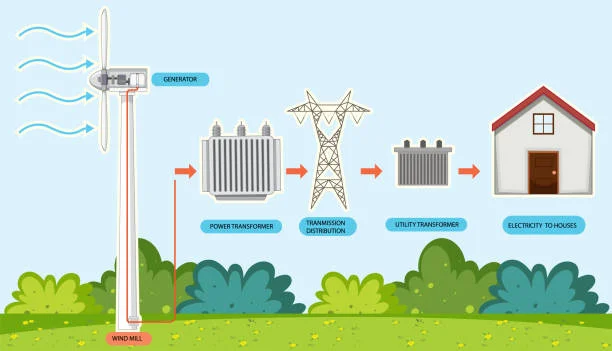
Power generators are essential equipment for a variety of applications, from providing backup power during outages to supplying electricity in remote locations. Understanding the different types of power generators available and their specific uses is crucial when selecting the right generator for your needs
Understanding Power Generators
Power generators work by converting mechanical energy into electrical energy. They come in a range of sizes and power outputs, suitable for diverse settings including residential, commercial, and industrial. The choice of generator depends on several factors such as power requirements, fuel type, and intended use.
Uncover posts that match your curiosity—explore related stories here.
Types of Power Generators
There are several types of generators, each suited for different applications. Standby generators are often used in residential or commercial buildings to provide backup power automatically when there is an interruption in the electricity supply. Portable generators are versatile and can be used across multiple locations, making them ideal for camping trips or construction sites.
Fuel Types and Efficiency
Power generators can be fuelled by a variety of energy sources including diesel, petrol, natural gas, propane, and renewable energy. Diesel generators are known for their fuel efficiency and longevity; however, they can be noisier compared to others. In contrast, natural gas generators are cleaner and quieter but may be more expensive to operate.
Petrol Powered Generators
Petrol generators are often used for smaller applications due to their affordability and portability. While they are easy to use and maintain, their fuel costs can add up, making them more suitable for short-term or emergency use.
Renewable Energy Generators
The rising focus on sustainable energy has led to the increased popularity of solar and wind-powered generators. While they require a higher initial investment, they offer clean energy solutions with minimal operational costs over time.
Choosing the Right Size
Selecting the appropriate size of a power generator is critical to ensure it meets your energy needs without unnecessary expenditure. A generator that is too small will not provide sufficient power, while an oversized generator can be inefficient and costly to run.
Calculating Power Requirements
To determine the correct generator size, calculate the total wattage required by the appliances and equipment you intend to power. Consider starting and running watts, as some appliances require additional power to start.
Consulting with Professionals
For accurate sizing, it can be beneficial to consult with a professional. They can provide guidance based on specific needs and help to determine the most efficient solution.
Installation and Maintenance
Proper installation and regular maintenance are essential for the optimal performance of power generators. Ensuring that the generator is installed in a safe location with adequate ventilation reduces the risk of hazards.
Regular Service Checks
Scheduled servicing can prevent unexpected failures and extend the life of the generator. It typically includes checking the fuel system, oil and filter changes, and testing the battery and electrical components.
Conclusion
Choosing the right power generator involves understanding the various options available and evaluating them against your specific needs and conditions. By considering factors such as type, size, fuel, and maintenance, you can find a reliable solution that will serve your power needs effectively.
Spotlight on top stories—see our featured post of the week!