Genetics is the study of genes and how they pass traits from parents to children. It helps us understand why people look different and why some people get certain diseases.
Our genes carry instructions that control how our bodies grow and work. Scientists study genetics to improve health and find new ways to treat diseases. This article explores how genetics affects human health and why it is important for medicine.
What Are Genes?
Genes are parts of DNA that give instructions for making proteins. Proteins help the body grow and function. Each person has many genes. Genes come in pairs. One comes from the mother and one from the father. Genes determine traits like eye color, height, and blood type. They also affect health and the risk of diseases.
Genes are not only for physical traits. They can influence how the body reacts to food, medicine, and stress. Some genes are active all the time. Others work only in certain conditions. Scientists study genes to learn more about diseases. Understanding genes helps doctors find better treatments and guide patients on health choices.
Genes also interact with each other. Some genes can hide the effects of others. This interaction can change how traits appear. Studying gene interaction helps scientists understand complex diseases.
What is DNA?
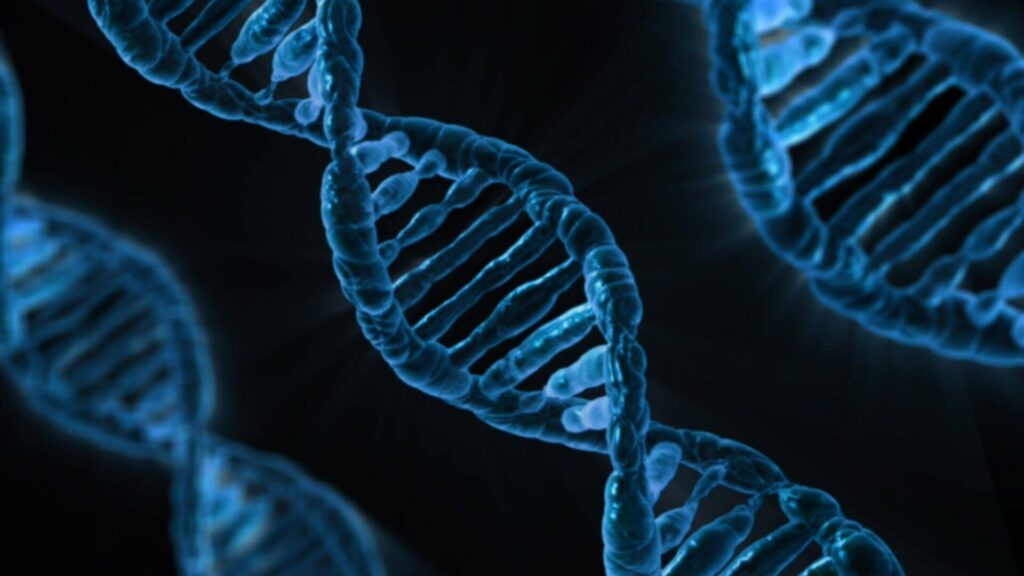
DNA is a long molecule inside the cell. It stores genetic information. DNA looks like a twisted ladder. The rungs of the ladder are made of chemicals called bases. The order of these bases forms the instructions for building proteins. DNA is very important for life.
DNA is found in almost every cell in the body. Each cell has the same DNA. It guides how cells grow and divide. When cells copy themselves, DNA is copied too. Mistakes can happen, which may affect health. DNA is also used in research to study diseases and find treatments.
DNA can also be used to identify people. Forensic scientists use DNA to solve crimes. DNA can show ancestry and family relationships. It is a powerful tool for science and medicine.
How Genes Work
Genes give instructions to cells. Cells read the gene instructions to make proteins. Proteins build tissues, fight infections, and carry oxygen. If a gene has a mistake, it can cause problems called mutations.
Genes can also affect behavior and response to the environment. Some genes influence sleep or stress. Many diseases happen because genes do not work correctly. Understanding how genes work helps scientists develop medicine. It also helps people make healthier choices.
Gene activity can change during life. Some genes turn on or off at different ages. This change can affect health as people grow older. Studying gene activity helps predict disease risk.
Inheritance of Genes
We inherit genes from our parents. Each parent gives half of their genes to the child. This is why children may look like both parents. Some traits are dominant and show if one parent passes the gene. Others are recessive and only show if both parents pass it.
Inheritance is more complex than simple traits. Some traits depend on many genes. Some depend on both genes and environment. Studying inheritance helps families understand health risks. Doctors can predict diseases in children by examining family history.
Inheritance patterns can also explain rare diseases. Doctors use genetic tests to find carriers. Couples can make informed choices about family planning. Knowledge of inheritance protects future generations.
Genetic Variation
Genetic variation is the difference in genes between people. It makes each person unique. Variations can affect appearance, health, and behavior. Some variations increase the risk of disease. Others protect against illnesses. Scientists study genetic variation to understand health better.
Variation is important for evolution. People with useful traits survive better. Scientists use variation to study diseases. Comparing genes helps researchers learn why some people get sick and others do not. This knowledge improves medicine.
Genetic variation also affects response to drugs. Some medicines work well for some people but not for others. Understanding variation helps doctors choose better treatments.
Mutations and Health
Mutations are changes in DNA. Some mutations are harmless. Others can cause disease. Some happen naturally. Others come from the environment, like chemicals or radiation. Some mutations increase cancer or heart disease risk.
Not all mutations are harmful. Some can help people survive disease. Studying mutations helps prevent problems and develop treatments. Understanding mutations can guide medicine and lifestyle choices.
Mutations can also help in research. Scientists study harmful mutations to learn how diseases start. This helps develop new medicine and therapies.
Common Genetic Disorders
Some diseases are caused by faulty genes. These are called genetic disorders. Examples include cystic fibrosis, sickle cell anemia, and Huntington’s disease. Genetic disorders can be inherited or happen by chance. Early detection can help manage symptoms.
Genetic disorders affect different body parts. Some affect blood, others muscles or the brain. Doctors can test for disorders before symptoms appear. Treatments may not cure the disease but can improve life. Research continues to find new therapies.
Knowing genetic disorders can also help families plan for care. Support and counseling are important for managing chronic conditions. Awareness improves quality of life.
Polygenic Traits and Health
Many traits are controlled by multiple genes. These are called polygenic traits. Height, weight, and diabetes risk are polygenic traits. They are influenced by genes and environment. Understanding these traits helps predict health risks.
Polygenic traits are common. They make diseases like diabetes or heart disease complicated. Scientists study many genes together to understand risk. Lifestyle also matters. Exercise, diet, and habits can change how genes affect health.
Polygenic traits show that environment interacts with genes. Healthy habits may reduce the effect of risky genes. This knowledge encourages preventive care.
Epigenetics and Gene Control
Epigenetics is how genes can be turned on or off. Environment can change gene activity without changing DNA. Diet, stress, and pollution affect genes. Epigenetics explains why identical twins can have different health outcomes.
Epigenetic changes can be temporary or long-lasting. They can affect disease risk. Scientists hope to use epigenetics to prevent disease. Changing diet or habits may turn harmful genes off. Epigenetics is important in medicine.
Epigenetics also explains aging. Lifestyle may slow harmful changes in genes. Understanding epigenetics may increase healthy lifespan.
Genetics and Cancer
Cancer happens when cells grow uncontrollably. Genes control cell growth. Mutations in genes can lead to cancer. Some cancers run in families. Genetic testing can find mutations linked to cancer. Early detection improves survival.
Different cancers have different genetic causes. Some are caused by one mutation. Others require many mutations. Understanding genetics helps doctors target treatment. Drugs can attack only cancer cells. Genetics also helps prevention through screening.
Cancer research studies genes to find new medicine. Scientists also look for genes that make cancer resistant. Early intervention improves outcomes and survival.
Genetics and Heart Disease
Heart disease is influenced by genes and lifestyle. Certain genes increase high blood pressure or cholesterol risk. Knowing genetic risk helps make healthy choices. Exercise and diet reduce risk even with risky genes.
Genetic studies find people at risk early. Risky genes can be managed with medicine or lifestyle. Family history is a strong clue. Genetics helps develop new drugs. Personalized treatment can save lives.
Heart disease prevention also uses genetic knowledge. Doctors recommend diet, exercise, and screening based on risk. Early action reduces complications.
Genetics and Diabetes
Type 1 diabetes is caused by immune system problems and genes. Type 2 diabetes is influenced by genes and lifestyle. Family history increases risk. Genetic research helps find ways to prevent and treat diabetes.
Genes affect insulin response. Some people inherit weak insulin handling. Lifestyle changes prevent type 2 diabetes. Medicine helps control blood sugar. Studying genetics improves treatments for both types.
Genetic testing helps people identify diabetes risk early. This allows better diet and exercise planning to prevent disease.
Genetics and Mental Health
Genes affect brain function and behavior. Some mental health conditions, like schizophrenia or bipolar disorder, run in families. Genetics is not the only factor. Environment and life experiences also play a role. Studying genes helps create better treatments.
Mental health is complex. Multiple genes interact with stress and experiences. Early detection and therapy reduce impact. Genetics can guide medicine choice. Some drugs work better based on genetic makeup.
Genetics research may help reduce stigma. Understanding biological causes shows mental health is real and treatable.
Genetics and Obesity
Obesity is influenced by many genes. Genes affect appetite, metabolism, and fat storage. Lifestyle also plays a major role. Knowing genetic risk can guide diet and exercise plans. Tools like a DNA test kit to know disease risks give information on genetic influence.
Genes can make weight loss harder for some people. Others gain weight easily even with healthy habits. Understanding genetic influences helps doctors give realistic advice. Nutrition and exercise can be tailored to genes.
Obesity prevention can start early. Children with risky genes benefit from healthy habits to reduce future health problems.
Genetics and Infectious Diseases
Genes affect how the body fights infections. Some people are naturally resistant to certain viruses. Others are more vulnerable. Studying genetics helps create vaccines and medicines. Genetics was important in understanding COVID-19.
Genes control immune system response. Some genes affect antibody strength. Others affect inflammation. Genetics helps identify people at risk in epidemics. Personalized vaccines may be possible.
Genetic studies help predict epidemics. Knowing who is vulnerable can guide public health measures.
Personalized Medicine
Genetic information helps doctors tailor treatments. This is called personalized medicine. People respond differently to drugs because of their genes. Doctors choose medicine and dose based on genetic tests. This improves treatment safety and effectiveness.
Personalized medicine can prevent disease. Doctors recommend lifestyle changes based on genetic risk. Medicine becomes precise. Side effects are fewer when genetics guide treatment. Personalized approaches are growing in healthcare.
Doctors also use personalized medicine to reduce trial-and-error. Patients get faster relief and safer treatment.
Gene Therapy
Gene therapy fixes faulty genes. Scientists can replace, remove, or edit genes to treat disease. Gene therapy is used for genetic disorders and cancers. It has the potential to cure diseases with no treatment before.
Gene therapy is being tested carefully. Safety is very important. Scientists hope it will work for more diseases. It can also help rare disorders. Gene therapy may change medicine in the future.
Gene therapy may also prevent disease in unborn children. Ethical testing is required before widespread use.
Genetic Testing
Genetic testing checks DNA for mutations or variations. It can detect disease risk before symptoms appear. Testing is useful for cancer, heart disease, and inherited disorders. People can use testing for family planning. Genetic testing is common in medicine.
Testing can show ancestry and traits. Results guide lifestyle choices. Doctors monitor health more closely. Genetic counseling helps people understand results. Testing empowers prevention.
Testing can also inform parents about the risk for inherited disorders in children. Early action can reduce the severity of the disease.
Ethical Issues in Genetics
Genetics raises ethical questions. Should people be tested for untreatable diseases? Who owns genetic information? Can insurance companies use genetic data? Ethics guide safe and fair use of genetic knowledge.
Privacy is important. People may worry about discrimination. Laws exist in some countries to protect people. Researchers follow rules. Ethics ensures that genetics helps society safely.
Ethics also guides research in embryos, cloning, and gene editing. Society must balance science and morality.
Genetics and Future Medicine
Genetics is changing medicine. New discoveries help prevent, diagnose, and treat diseases. Scientists learn to edit genes safely. The future may include more personalized and precise medicine. Genetics improves health outcomes.
Future medicine may edit genes before birth. Doctors may predict disease early. Genetics may reduce healthcare costs by preventing illness. New tools will make genetic medicine faster and safer.
Genetics and Aging
Genes influence how we age. Some genes protect against age-related diseases. Others may increase risk of dementia or heart disease. Studying aging genes helps scientists find ways to slow aging.
Healthy lifestyle may reduce harmful gene effects. Exercise, diet, and sleep all influence aging. Genetics may allow targeted therapies to improve longevity.
Learn More About Genetics and Its Impact on Human Health
Genetics is a powerful science that affects all aspects of human health. From inherited traits to disease risk, genes influence our lives in many ways. Studying genetics helps doctors prevent and treat disease more effectively.
As research continues, genetics will play an even bigger role in improving human health. Understanding genes empowers people to make informed decisions and live healthier lives.
If you’d like to learn more, check out more articles on our blog.