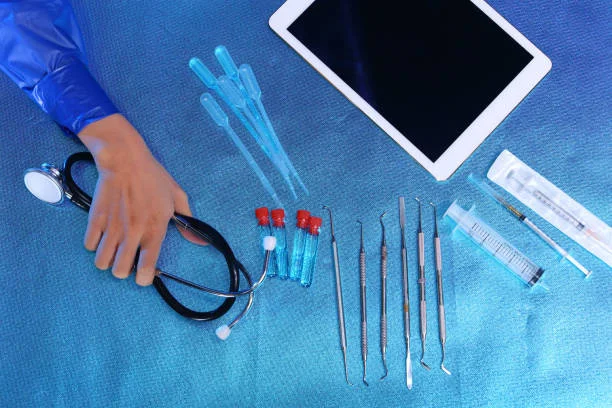
The healthcare industry is witnessing a significant shift towards the adoption of Single Use instruments. This change is prompted by increasing concerns about infection control, cost efficiency, and environmental sustainability. Single use instruments are designed to be used once and then discarded, thus reducing the risk of cross-contamination and infection among patients.
The Need for Infection Control
One of the primary drivers for the shift towards single use instruments in healthcare is the need for stringent infection control measures. Infections acquired in healthcare settings, known as nosocomial infections, pose significant challenges, and single use instruments offer a viable solution to minimise these risks. By eliminating the need for complex sterilisation processes, single use instruments directly contribute to safer patient outcomes.
Cost Efficiency and Value
While the initial perception may be that single use instruments are costlier due to their disposable nature, they can actually provide cost efficiencies over time. Traditional instruments require costly sterilisation procedures and regular maintenance. In contrast, single use instruments eliminate these additional costs, which can add up significantly. Therefore, healthcare facilities can allocate their resources more effectively by investing in single use options.
Environmental Considerations
The environmental impact of healthcare waste is a topic of ongoing debate, particularly with the rise of single use instruments. However, modern innovations are aimed at developing biodegradable and recyclable single use devices to mitigate these effects. Healthcare providers are increasingly focusing on sustainable practices, incorporating environmentally friendly materials into the design and manufacture of single use instruments.
Technology and Innovation
Advancements in technology play a crucial role in the development of single use instruments. Modern manufacturing techniques allow for precision in design and production that ensure these instruments meet high-quality standards necessary for medical procedures. As technology continues to evolve, the efficacy and safety of single use instruments are expected to improve further.
Regulatory Standards and Compliance
Single use instruments must adhere to strict regulatory standards to ensure they are safe and effective for use in medical procedures. Regulatory bodies worldwide set guidelines and standards that manufacturers must follow. Compliance with these standards is crucial for maintaining patient safety and ensuring that single use instruments provide reliable performance.
A Global Perspective
The adoption of single use instruments’s is a global trend, with significant uptake across various countries with diverse healthcare systems. Different nations have implemented bespoke regulations and policies to facilitate the use of these instruments in their healthcare systems. This global trend highlights the universal acknowledgment of the benefits that single use instruments’s bring to healthcare.
Challenges in Adoption
Despite the advantages, there are challenges associated with the widespread adoption of single use instruments’s. These include the initial transition costs, concerns around the environmental impact of increased waste, and the need for continuous innovation to reduce the ecological footprint of these devices.
Training and Education
Healthcare professionals require proper training and education to maximise the benefits of single use instruments. Proper instruction ensures that these devices are used effectively and well-integrated into existing healthcare protocols. Educational initiatives are essential to prepare medical staff for the shift towards these instruments.
The Role of Manufacturers
Manufacturers of single use instruments’s play a crucial role in facilitating their adoption. By investing in research and development, manufacturers can produce more sustainable, effective, and cost-efficient instruments. Collaboration between healthcare providers and manufacturers is essential to ensure that single use instruments’s meet the evolving needs of modern healthcare.
Patient Safety and Confidence
Another benefit of single use instruments’s is the enhancement of patient safety, which in turn boosts patient confidence. Knowing that an instrument is used exclusively on them reduces anxiety about potential infections, thereby improving overall patient experience and satisfaction.
Conclusion: The Future of Single Use Instruments
Single use instruments’s are set to become integral to modern healthcare, offering a range of benefits from infection control to cost savings. However, the future development of these instruments must balance innovation with sustainability, ensuring that the healthcare industry moves towards a more efficient and environmentally friendly future. As healthcare systems continue to evolve, single use instruments’s will likely play an increasingly important role in enhancing patient care.