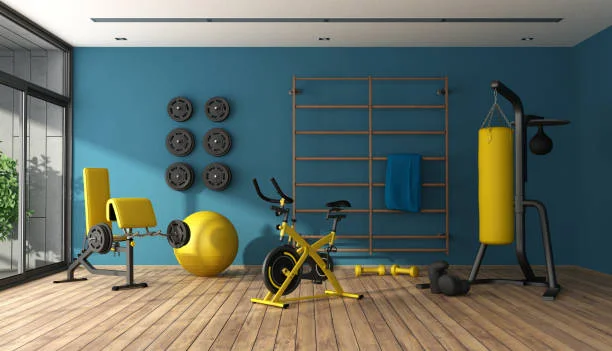
January has a way of inspiring fresh starts, and for many people, that means finally building a home gym. With crowded gyms and ambitious fitness goals, DIY workout spaces are the perfect solution. Unfortunately, what starts as a healthy upgrade can quickly turn risky when equipment is installed incorrectly or safety is overlooked. For those hurt in preventable home gym accidents, compassionate legal support for injury victims can make a real difference during recovery. This article explores how well-intended home gym makeovers can lead to serious injuries and what to do when they do.
Why January Inspires Home Gym Projects
January feels like a reset button, making it the most popular time to commit to fitness goals and lifestyle changes. Many people want to avoid packed gyms after the holidays and believe a home setup will save time and money. Add in social media inspiration and New Year motivation, and DIY home gym projects suddenly feel easy and urgent.
The Most Common DIY Home Gym Mistakes
Setting up a home gym sounds simple, but many people underestimate how quickly small oversights can turn into serious hazards. These are some of the most common mistakes that lead to injuries inside DIY workout spaces.
Improperly Installed Equipment
Wall-mounted racks, pull-up bars, and resistance systems are often installed without proper anchors or structural support. Over time, loose hardware can fail during use, causing equipment to fall and resulting in severe injuries suddenly.
Overloading Walls Floors and Ceilings
Many homes are not designed to handle heavy gym equipment or repeated impact from weightlifting. Placing excessive weight on floors or attaching equipment to weak walls can result in structural damage and unexpected collapses.
Using Furniture Not Designed for Exercise
Chairs, tables, and shelves are sometimes used as workout supports or weight stands. These items are not built for sudden movement or pressure and can tip, break, or slide during exercise.
Ignoring Weight Limits and Safety Guidelines
Manufacturers provide clear instructions and weight limits for a reason. Skipping these guidelines or assuming equipment can handle more than it’s advertised to handle increases the risk of malfunction and injury.
Poor Layout and Limited Space
Crowded home gyms leave little room to move safely. Limited spacing increases the chance of tripping, hitting nearby objects, or losing balance during workouts.
When Convenience Turns into Danger
What feels convenient at first can quickly become dangerous when safety takes a back seat. Home gyms often lack the spacing, flooring, and supervision found in professional facilities, which increases the risk of accidents. In many cases, injuries happen suddenly during routine workouts when equipment fails or the environment is not as safe as it appears.
Injuries We See from Home Gym Accidents
Home gym injuries can range from minor setbacks to life-changing events, especially when heavy equipment or hard surfaces are involved. These are some of the most common injuries that occur when DIY workout spaces are not as safe as people expect.
Back Neck and Spinal Injuries
Heavy lifting with unstable equipment or poor form can suddenly strain the spine. These injuries often cause long-term pain and can limit mobility, work ability, and daily activities.
Broken Bones and Joint Injuries
Falls from treadmills, benches, or improperly secured equipment frequently lead to fractures or joint damage. Recovery can require surgery, physical therapy, and extended time away from normal routines.
Head Injuries and Concussions
Falling weights or slipping on hard floors can result in serious head trauma. Even mild concussions can cause lasting symptoms that affect concentration, balance, and overall quality of life.
Muscle Tears and Soft Tissue Injuries
Sudden movements or uneven resistance can cause tears in muscles, ligaments, or tendons. These injuries may not seem severe at first, but can worsen without proper medical care.
Crush and Impact Injuries
When equipment tips over or collapses, the confirmed weight can cause significant damage. These injuries often involve the chest, limbs, or feet and may lead to permanent impairment.
Why these Accidents are More Serious than People Expect
Many people assume home gym injuries are minor because they happen in familiar spaces. In reality, these accidents often come with complications that make recovery more difficult and more costly.
Delayed Medical Attention
People injured at home often try to push through the pain instead of seeking care right away. Delays in treatment can allow injuries to worsen, prolonging recovery and increasing costs.
Hard Surfaces Increase Injury Severity
Most home gyms lack the shock-absorbing flooring found in professional fitness facilities. Falls onto concrete or hardwood floors can significantly increase the severity of injuries.
Lack of Supervision or Assistance
There is no trainer or staff member nearby to step in when something goes wrong. Without immediate help, injuries can become more serious before medical care is reached.
Complicated Insurance and Liability Issues
Insurance companies may ask questions about the accident or try to reduce the claim. Finding out who is at fault can get very complicated and become a stumbling block for people seeking compensation when the case involves defective equipment or property issues.
Long-Term Impact on Daily Life
Home gym injuries can affect more than just fitness routines. Many victims experience lasting pain, missed work, and emotional stress that disrupts everyday life.
Who May Be Responsible After a Home Gym Injury
After a home gym injury, responsibility is not always as straightforward as it seems. In many cases, the cause may involve defective equipment, unsafe property conditions, or improper installation by someone else. Identifying who is responsible often requires a closer look at how the injury happened and who had a duty to keep the space safe.
What to Do After a Home Gym Injury
The steps you take after a home gym injury can have a major impact on your recovery and any potential legal claim. Acting quickly and carefully can help protect both your health and your rights.
Seek Medical Care Immediately
Even if the injury seems minor, it is important to get checked by a medical professional as soon as possible. Prompt treatment creates a clear medical record and helps prevent complications.
Document the Scene and Equipment
Take photos or videos of the equipment, the surrounding area, and any visible injuries. This documentation can be critical later if questions arise about how the accident occurred.
Avoid Fixing or Moving Equipment Right Away
It can be tempting to clean up or repair what caused the injury. Leaving the equipment as it was helps preserve evidence that may be important for understanding what went wrong.
Be Careful When Speaking with Insurance Companies
Insurance adjusters may reach out quickly to request statements or offer settlements. It is often best to avoid detailed conversations until you understand your rights.
Talk to a Personal Injury Attorney Early
An experienced attorney can explain your options and help determine whether someone else may be responsible. Early legal guidance can reduce stress and prevent costly mistakes during the claims process.
How Legal Support Can Help Injury Victims
Legal support can guide injury victims through the confusing aftermath of a home gym accident. Attorneys can help identify who is responsible, gather evidence, and handle negotiations with insurance companies. Having professional guidance ensures victims get the compensation they need for medical bills, lost income, and recovery without added stress.
Final Thoughts
Home gyms can be a great way to stay healthy, but they come with hidden risks that are easy to overlook. When accidents happen, having access to compassionate legal support for injury victims can make a real difference in recovery and peace of mind. Planning carefully, prioritizing safety, and seeking help when needed ensure your fitness goals do not come at the cost of your health.
Keep the momentum going with ideas designed to spark action at Management Works Media.