What would happen if an unexpected emergency occurred at home, at work, or in a public place? Many people assume that serious situations are rare, yet everyday risks continue to increase. From accidents to natural events, emergencies can happen without warning. Being prepared can make a big difference in how these situations are handled.
Simple steps can help reduce panic and improve response time. Knowing what to do can protect both individuals and others. This article explains key strategies and what readers can learn to stay prepared and respond effectively in daily life.
Understanding Everyday Risks
During a crisis, there are a lot of things that could go wrong. Accidents, health complaints, and sudden shifts in the environment are some examples of these types of occurrences. It is critically important to be aware of these dangers.
When you are aware of different types of threats, it is much simpler to be prepared for them. As a result, people are able to take action quickly. People are able to make safer decisions when they are aware.
Building a Basic Emergency Plan
You should have a plan for emergencies that outlines what you should do in the most dire of circumstances. It includes a list of contact information as well as clear steps to follow. This sheds light on the situation.
Keeping plans straightforward and uncomplicated is optimal. Utilizing them can help you feel more assured in yourself. Preparing oneself makes it simpler to react to situations.
Preparing Essential Supplies
With emergency supplies, you can meet your needs right away. Important things are water, food, first aid, and simple tools. These come in handy when things go wrong.
It saves time to keep things in one place. It lets you get to it quickly when you need to. Ready depends on how well you’ve prepared.
Learning Life-Saving Skills
Basic skills can make a big difference in emergencies. Knowing how to respond can help save lives. This adds confidence.
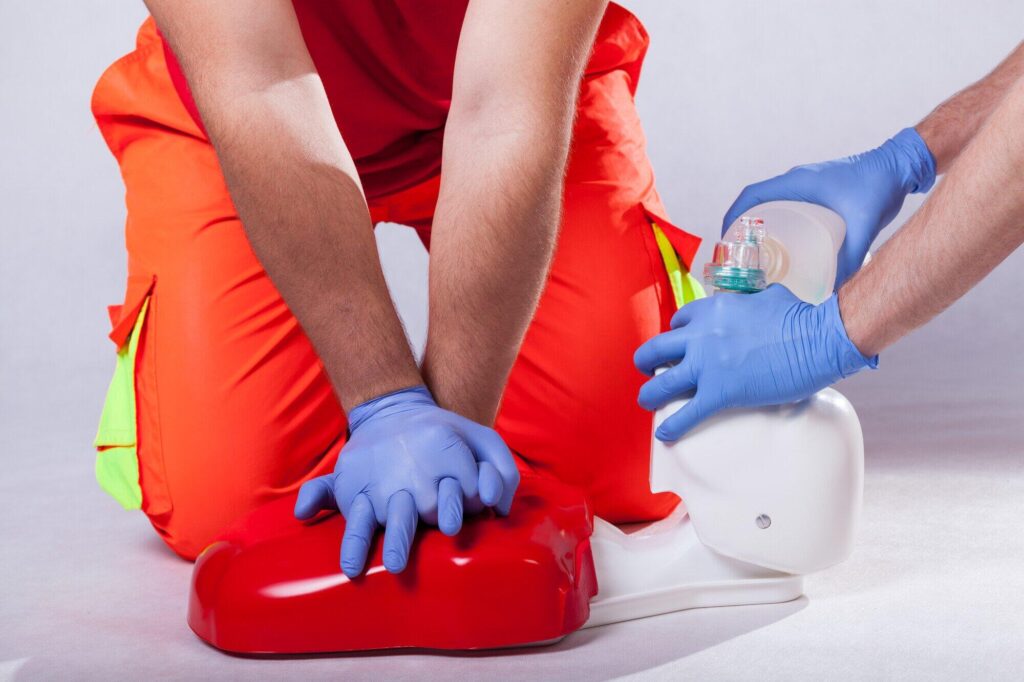
Many people choose to learn CPR + First Aid so they can respond quickly during medical emergencies and provide immediate support until professional help arrives. Skills improve safety.
Staying Informed and Updated
People can maintain their readiness with the assistance of information. Maintaining awareness of any weather or safety alerts is of utmost importance. Because of this, you are able to plan more effectively.
By gaining knowledge from reputable sources, one can increase their level of awareness. It ensures that individuals are prepared for a variety of circumstances. Knowledge is a helpful tool in preparing for something.
Encouraging Family and Community Preparedness
Sharing what you are prepared for makes it more powerful. People who live in the same community can assist one another in remaining prepared. This creates systems that are beneficial.
The more people you educate about safety, the more prepared everyone will be. Through this, a culture of awareness is developed. By cooperating with one another, protection is strengthened.
Building Confidence Through Everyday Emergency Preparedness
Preparedness for emergencies is a key part of keeping people and communities safe from the unexpected dangers that can happen in everyday life. By knowing about common dangers, making simple plans, getting basic supplies ready, and learning how to save lives, people can be better prepared for emergencies.
Improving safety also means staying informed and telling others to do the same. Awareness and action over time make emergency preparedness a normal part of daily life. This lowers panic and boosts confidence in dealing with tough situations.
Did you like this guide? Great! Please browse our website for more!