
Hiring a moving company should make your life easier, not more stressful. In reality, a lot of people end up more tense after hiring “professionals” than they were before the process even started. Boxes arrive late, furniture gets scratched, calls go unanswered, and the bill looks nothing like the original quote. Most of that pain doesn’t come from bad luck. It comes from avoidable mistakes made long before moving day.
A move is one of the rare moments where your entire life is physically in someone else’s hands. Choosing the wrong team doesn’t just cost money. It costs time, energy, trust, and sometimes irreplaceable items. Understanding what usually goes wrong when people pick a mover is the best way to avoid repeating the same pattern. When you know the traps, you can step around them and bring a little sanity back into the process.
Why Hiring the Right Movers Is So Easy to Get Wrong
On the surface, hiring movers looks simple. You search, you call, you compare a few prices, and you pick someone who sounds confident. The problem is that a smooth phone conversation can hide weak systems, untrained crews, or companies that outsource work you thought they handled themselves. By the time you find out the truth, all your belongings are already on the truck, and your options are limited.
Moving also happens under pressure. Lease dates, closing dates, and work schedules push people into making fast decisions. When you’re tired or overwhelmed, “good enough” starts to look acceptable. That’s when small oversights slip past: not checking insurance, not asking for details in writing, not looking deeper into reviews. Those shortcuts save an hour at the start and steal days of peace at the end.
Discover a related post full of practical advice to boost your knowledge instantly.
Mistake 1: Letting the Cheapest Quote Decide Everything
Everyone wants to control costs, and that’s fair. But treating the cheapest number as the main decision driver is a classic way to get burned. A quote that is way below the others is usually missing something important: proper insurance, enough crew, realistic time estimates, packing support, or clear coverage for damage. It might also be built on hourly games that explode once the job actually starts.
A better way to read quotes is to ask what’s behind the number. What exactly is included? How is time calculated? What happens if the move runs long? The company that looks slightly more expensive may actually be the one that finishes on schedule, brings the right team, and doesn’t hit you with nonsense fees at the end. Price matters, but it only makes sense when you understand the value attached to it.
Mistake 2: Skipping License, Insurance, and Legal Basics
A surprising number of people never ask a moving company to prove it is properly licensed and insured. They assume any company with a logo, a truck, and a website must already be legit. That assumption can become very expensive the moment something goes wrong. If there’s no proper coverage, you may end up chasing compensation with almost no leverage.
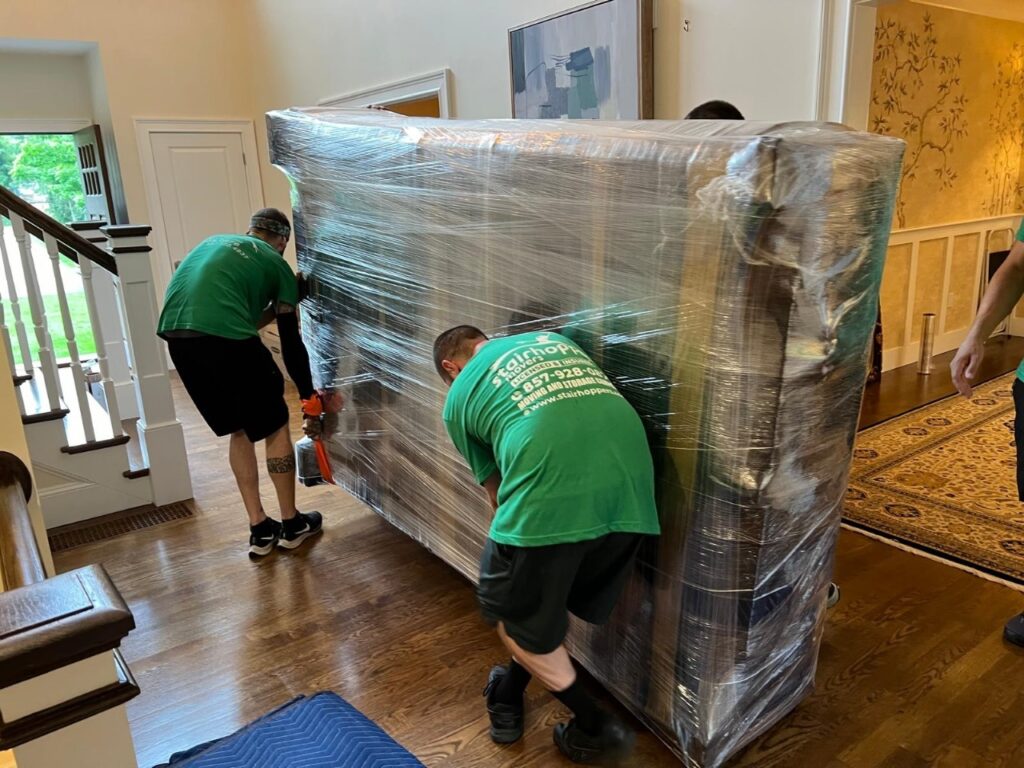
Checking credentials is not paranoia. It is basic self-protection. If someone is going to carry your furniture downstairs, drive it across the city, and hold it on a truck for hours, you need to know what happens if they drop a piece through a railing or hit another vehicle. Companies that take this seriously are usually happy to show proof. When you work with local movers in Boston who can provide documentation, that is a healthy sign you should never ignore.

Mistake 3: Misreading Reputation, Reviews, and Red Flags
Reviews are not perfect, but they are still one of the clearest signals you have. Too many people only glance at the overall star rating and never read the actual comments. They miss patterns: late arrivals, damaged items, rude crews, surprise charges, or refusal to take responsibility when something breaks. Those patterns tell you much more than a single score.
It’s also worth noticing how a company responds to negative reviews. A thoughtful, specific reply that owns mistakes and offers solutions usually means the team cares about long-term reputation. Silence, blame-shifting, or generic replies hint at a culture of avoidance. You don’t need a company with zero complaints. You need one that handles problems like adults when they happen.

Mistake 4: Accepting Vague Estimates and Fuzzy Scope
A lot of stress starts with a casual quote given over the phone and never written down properly. People agree to “around this much” and assume everyone means the same thing. On moving day, the story changes. Extra charges appear for stairs, long carries, packing time, materials, or extra stops. The final bill looks nothing like what you expected, and the whole conversation becomes a fight about memory.
A real estimate is clear. It describes how many movers will arrive, what size truck they’ll use, what’s included in the base rate, and what counts as an extra. It also explains how time is tracked and when the clock starts and stops. If those details are vague, you’re not holding an estimate at all. You’re holding a guess that only one side controls.
Mistake 5: Ignoring Local Reality in a City like Boston
Moving in Boston is not the same as moving in a wide, flat suburb with big driveways and wide streets. Tight corners, triple-deckers, narrow stairwells, steep steps, strict parking rules, and unpredictable weather all make the job more complicated. A mover that doesn’t understand the city will underestimate the time, send the wrong vehicle, or get caught out by basic access issues you could have flagged in advance.
This matters especially when you’re comparing long distance moving companies in Boston options that claim they handle “everything” but don’t ask real questions about your building. Good movers want to know about elevators, loading zones, street permits, and hallway width. They think through where the truck will sit, how far they’ll need to walk, and how many trips it will take to clear each floor. If nobody asks those questions, they’re planning your move on paper instead of in reality.
Mistake 6: Forgetting Communication and People Skills
People focus on trucks and dollies, but they forget that moving is also a human service. You are giving a crew access to your home, your belongings, and your time. If the office can’t answer basic questions or if emails vanish into silence, that chaos usually reaches the crew as well. Disorganized companies rarely produce calm, focused teams on moving day.
You learn a lot from early interactions. Do they call when they say they will? Do they explain things clearly without treating you like a nuisance? Do they listen when you describe unusual items or tight spaces? These are not small details. They tell you whether the company will respect your stress level or treat your move like just another job squeezed into a packed calendar.
Mistake 7: Treating Every Move like a Simple Local Job
Some people assume every move is basically the same: load, drive, unload, done. That mindset works for small, simple jobs. It falls apart when you add distance, complex inventories, delicate furniture, or tight timelines. Moves involving storage, multiple stops, or strict closing schedules demand more planning than a basic truck-and-two-movers situation.
Longer or more complex jobs also expose weak systems faster. If a mover struggles to coordinate a short local shift, imagine how things look when they need to manage timing across multiple days and addresses. That’s why people who choose reliable professional movers in Boston for bigger projects usually ask specific questions about planning, sequencing, and what contingencies exist if something runs behind schedule.
Mistake 8: Handing Over the Move and Checking Out Mentally
A good moving company should carry most of the load, but they cannot read your mind. One mistake people make is mentally checking out the moment they sign a contract. They don’t create a clear inventory. They don’t label rooms in the new place. They don’t separate items that need special attention. On moving day, everyone scrambles to improvise, and that chaos leads to mistakes.
You don’t need to stand over the crew all day, but you do need to stay engaged. Being available to answer questions, point out fragile items, and confirm where things should go at the destination helps the move flow. The best outcomes come from a partnership mindset: the movers bring skill and muscle, you bring clarity and decisions. Both roles matter.
Mistake 9: Forgetting That Aftercare Matters Too
Most people only think about moving day itself. They don’t ask what happens if something is scratched, if a box goes missing, or if a piece of furniture doesn’t fit through a door and needs to be disassembled and reassembled. When these issues arise, companies without clear aftercare processes often retreat, delay, or blame the customer.
Good movers explain the next steps before anything goes wrong. They outline how to document damage, how long you have to file, and what kind of resolution you can reasonably expect. That doesn’t make problems pleasant, but it does make them manageable. Aftercare is part of the service, not an optional bonus.
Conclusion
Hiring a moving company is one of those decisions that look simple until you live through a bad one. The biggest mistakes usually happen early: ignoring red flags, accepting vague promises, chasing the lowest price, or assuming all movers are basically the same. Once your belongings are loaded, there is not much room to renegotiate reality. That is why the hiring phase deserves far more respect and time than most people give it. When you slow down and treat mover selection as a serious choice, everything that follows gets easier. You ask better questions, demand clearer answers, and see past polished sales lines. You respect local realities, check documents, read reviews with a critical eye, and stay involved just enough to help the crew do their best work. The result is still a tiring day, but it’s not a chaotic one. Your move becomes demanding but controlled, and that difference matters.
For people who want that kind of controlled move rather than a gamble, Stairhopper movers have earned a reputation for combining practical planning with steady, respectful execution. Their team treats each job like a structured operation, not a rushed favor, taking the time to understand access, timing, and the specific needs of each household. By aligning clear communication, trained crews, and realistic expectations, they help customers avoid the classic mistakes that make moving harder than it has to be and turn a stressful milestone into a managed, predictable experience.
Frequently Asked Questions
Q1. How early should I start researching moving companies?
Starting four to six weeks before your move gives you enough time to compare options, check credentials, and avoid booking out of panic.
Q2. Is it safe to hire movers based only on online ads?
No. Ads show you marketing, not reliability. Always back them up by checking reviews, licenses, and insurance details.
Q3. Should I always choose the lowest moving quote?
Not automatically. The lowest quote often leaves out services, protections, or time, which can cost more in the end.
Q4. What documents should movers provide before booking?
You should receive proof of licensing, proof of insurance, and a written estimate describing services and pricing.
Q5. How can I confirm long-distance moving capability?
Ask about interstate licenses, delivery schedules, and how they handle tracking and communication during longer routes.
Q6. Is professional packing really necessary?
For fragile, heavy, or high-value items, yes. Professional packing reduces risk and usually pays for itself in avoided damage.
Q7. What does poor communication before booking indicate?
If a company is unclear or slow to respond before you pay, they are unlikely to improve under the pressure of moving day.
Q8. Can the move details change after signing?
They can, but changes often affect price and timing. Any updates should always be confirmed in writing so everyone stays aligned.
Unlock more content that guides, informs, and empowers your next move efficiently.