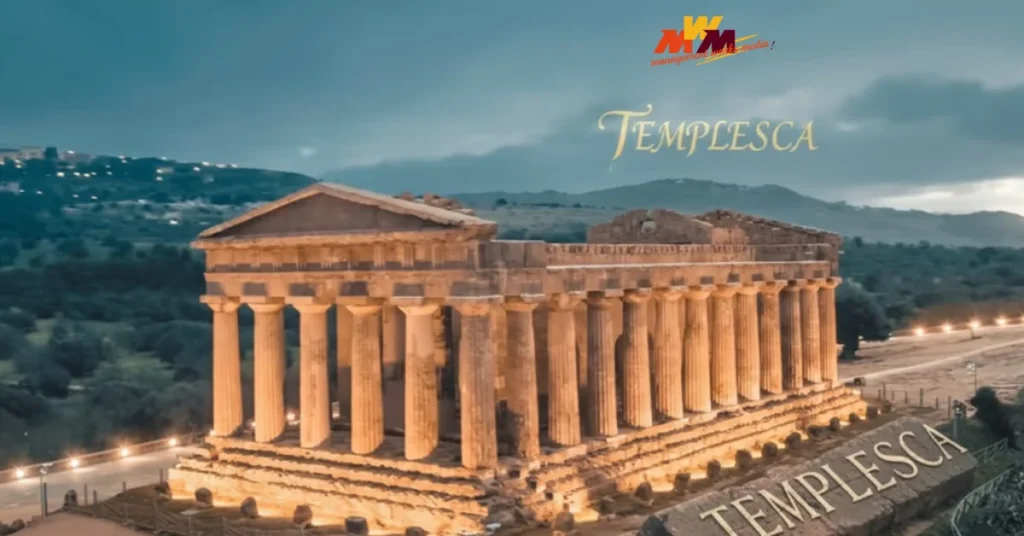
Introduction to Templesca
Templesca stands as a testament to the convergence of faith, artistry, and mystery. These remarkable structures have captured the imaginations of historians, architects, and spiritual seekers alike. As you step into this world of sacred architecture, you find yourself surrounded by stories etched in stone—each temple whispering secrets from ancient times.
From their intricate carvings to their harmonious proportions, Templesca represents more than just places of worship; they symbolize humanity’s quest for understanding the divine. What lies behind these awe-inspiring facades? Embark with us on an exploration of historical artistry, discovering the enduring secrets that give Templesca its mesmerizing allure.
History of Sacred Architecture
Sacred architecture has roots that span millennia, reflecting humanity’s quest for connection with the divine. From ancient stone monoliths to intricate cathedrals, each structure tells a story.
Early civilizations erected temples as centers of worship and community life. They believed these spaces bridged the earthly realm with the heavens. The designs often mirrored cosmological beliefs, embodying complex spiritual concepts.
As cultures evolved, so did their architectural styles. The Greeks introduced symmetry and harmony in their temples dedicated to gods like Zeus and Athena. Meanwhile, in Asia, pagodas symbolized enlightenment through layered roofs and vertical ascension.
The Middle Ages saw Gothic architecture rise in Europe. Spires reached toward the sky while stained glass windows depicted biblical stories—inviting light into sacred spaces.
Each era contributed unique elements to sacred design, creating an enduring legacy that continues to inspire reverence today. Temples remain powerful symbols of faith across various cultures worldwide.
The Significance of Temple Design
The design of temples is steeped in symbolism. Each element serves a purpose beyond aesthetics, reflecting the spiritual beliefs of a culture. From towering spires to intricate carvings, every detail tells a story.
Orientation plays a crucial role in temple architecture. Many are aligned with celestial bodies, capturing sunlight or moonlight at specific times. This connection to nature enhances the sacred experience for worshippers.
Materials used also carry weighty significance. Stone and wood can symbolize strength and endurance while representing the divine’s permanence on Earth. The choice often reflects local resources, intertwining cultural identity with spiritual expression.
Furthermore, temple layouts create pathways that guide visitors through various stages of their journey—both physical and metaphysical. These designs invite contemplation and foster deeper connections with faith.
In essence, temple design transcends mere construction; it embodies spirituality and tradition deeply ingrained in human history.
Common Features of Templesca
Templesca embodies a rich tapestry of architectural elements that captivate the senses. One of its most striking features is intricate carvings, often depicting deities and celestial beings. These detailed sculptures tell stories from ancient texts.
The layout is another hallmark. Templesca structures typically follow a geometric pattern, creating an aura of harmony and balance. This symmetry evokes a sense of peace for visitors seeking spiritual connection.
Natural light plays a crucial role as well. Large windows or open courtyards invite sunlight to dance across polished surfaces, enhancing the sacred atmosphere inside.
Colorful frescoes often adorn the walls, breathing life into historical narratives. The vibrant hues serve not just as decoration but also as visual prayers that inspire reflection.
Elaborate entrances known as gopurams are essential features in many templesca designs. They tower above with ornate details welcoming pilgrims and tourists alike into realms of spirituality.
Mysteries Surrounding Templesca
Templesca is shrouded in enigmas that continue to captivate researchers and enthusiasts alike. Legends whisper of hidden chambers, secret rituals, and celestial alignments that tie these sacred structures to ancient beliefs.
Many scholars have debated the significance of intricate carvings found on temple walls. Some suggest they tell stories long forgotten, while others believe they serve as portals to other realms. Each design element seems imbued with meaning waiting to be unraveled.
Archaeological discoveries have unearthed artifacts linked to mysterious ceremonies conducted within Templesca. These relics hint at practices that merged spirituality with daily life in profound ways.
The alignment of many temples raises eyebrows too. Could there be astronomical connections? Is it possible these structures were designed not just for worship but also as a guide for understanding cosmic events?
As we delve deeper, the allure of Templesca only grows stronger, beckoning us toward its timeless secrets and untold narratives.
Modern Interpretations and Uses of Sacred Architecture
In recent years, sacred architecture has evolved beyond its traditional boundaries. Contemporary architects are reimagining templesca by integrating modern materials and techniques while honoring ancient philosophies.
These new structures often serve dual purposes. They act as spiritual sanctuaries and community hubs, fostering connections among people in an increasingly disconnected world.
Artists frequently pay homage to the essence of templesca through installations that invite reflection and contemplation. These spaces encourage mindfulness, blending design with meaningful experiences.
Moreover, eco-friendly practices have found their way into temple construction. Sustainable architecture respects both nature and the heritage encapsulated within these revered sites.
As society changes, so do our interpretations of sacred space. Templesca continues to inspire innovation while grounding us in tradition—a blend that resonates deeply across generations.
Conclusion: Unveiling the Timeless Secrets of Templesca
The allure of Templesca lies not just in its stunning architecture but also in the deep-rooted history and significance it embodies. These sacred spaces have served as focal points for spiritual connection, community gatherings, and cultural expression throughout the ages.
As we unearth the common features that define Templesca—from intricate carvings to harmonious proportions—we gain insight into how these elements reflect a society’s values and beliefs. The mysteries surrounding these temples add an intriguing layer, provoking curiosity about their purpose and the rituals they housed.
In today’s world, modern interpretations of sacred architecture continue to draw inspiration from Templesca. Architects blend traditional styles with contemporary needs, creating spaces that honor heritage while embracing innovation.
As we explore this fascinating intersection of the past and present, it becomes clear that Templesca is more than just architectural beauty; it’s a testament to humanity’s quest for meaning. Each temple stands as a silent witness to centuries of devotion, artistry, and mystery—waiting patiently for us to delve deeper into its timeless secrets.