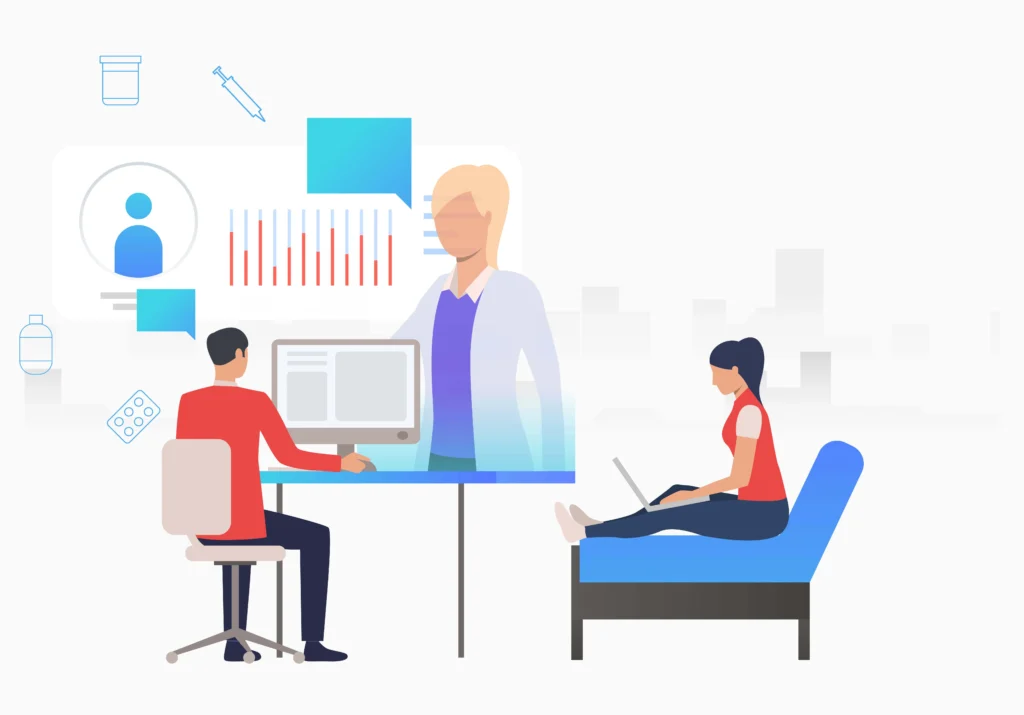
Remote Patient Monitoring (RPM) is rapidly turning into one of the most viable solutions that Federally Qualified Health Centers, aiming to enhance the results, minimize the gaps in care, and enhance patient-centered care, can employ. Remote Patient Monitoring for FQHCs addresses challenges faced by community-based providers, such as limited resources, high rates of chronic disease, transportation barriers, and inconsistent access to care among medically underserved populations. RPM can be used as a solution to realistic, scalable clinical extensions outside the clinic walls, vulnerable patient support, and more regularly, to achieve value-based care success.
Why RPM Fits Naturally into the FQHC Mission
FQHCs aim to bring services to patients, both clinically and geographically. RPM is also consistent with that mission as it provides around-the-clock care, particularly to patients living with chronic conditions, like hypertension, diabetes, heart failure, and COPD. Physical visits can be a challenge for many people, and prompting follow-up is prone to causing unnecessary complications. RPM closes that divide by delivering daily data, such as blood pressure, glucose, weight, and oxygen saturation, and notifying care teams about the changes before they become critical.
As a model, it underpins the fundamental FQHC objectives of improving health equity, access, and raising patient engagement. Patients are more likely to feel supported and more responsible when they are able to engage in their care by using easy-to-use monitoring devices and regular feedback. RPM is more of a lifeline rather than a luxury to communities with transportation issues or mobility problems.
How RPM Strengthens Clinical Workflows
RPM can be most effective when it fits in with the current working processes and does not add extra responsibilities to the personnel. In the case of FQHCs, it is the alignment of monitoring processes with care management, nursing triage, behavioral health, and chronic disease programs. Clinicians can analyze dashboards, monitor patient trends, and make use of alerts to prioritize outreach. Care teams can understand what is occurring in the daily life of the patient as opposed to waiting to see when complications are developing.
The advantage is more than merely reactive care; proactive coaching. An increase or a drop in the level of glucose or an unexpected rise in blood pressure is an alarm to take early action. Clinicians avoid unwarranted visits and admissions, and patients get assistance at the time they need it the most. In the long term, this contributes to the development of operations more efficient and better based on value, especially to FQHCs participating in the ACO model or other quality incentive programs.
Addressing Barriers to Adoption
Though its value is apparent, the implementation of RPM in the context of an FQHC should consider feasible challenges. There are a lot of patients who will be new to digital tools or lack trustworthy internet. Luckily, the majority of RPM devices are now cellular and do not need much configuration, which decreases the technical workload of patients. Training of staff is also necessary, and a careful implementation plan will also enable the teams to know how to integrate monitoring in their daily activities without being overwhelmed.
Another barrier is cost. Even though RPM has the potential to earn reimbursable revenue in both Medicare and certain Medicaid programs, not every state is reimbursed. FQHCs usually have to consider models of partnerships, device subsidies, or grants. The trick is to find a solution that will best fit the needs of the patients and remain economically viable.
Improving Patient Engagement and Trust
The effect that RPM has on patient relationships is one of the greatest strengths of the system. When patients are regularly provided with feedback, they tend to be more attached to their care provider. They will also comply with treatment plans more and will not use urgent or emergency care as much. When these incremental behavior modifications are combined in FQHC populations with chronic illnesses, significant health outcomes are achieved.
Outreach and education should be culturally sensitive. The patients also want to have a better reason as to why they need to monitor and watch their health, nd that is when they are assured of the benefits it will have in the long term is not only a device but also a partnership.
Conclusion
With the ongoing change of healthcare into the realm of active, technology-based care, FQHCs are better placed to guide. RPM is not a substitute for personal visits and relationship-based care; it is an effective supplement to otothis. With its integrated nature, accessibility, patient-centered design, and real-time information, FQHCs will provide more continuity and equitable care and enhance financial stability.
Community health in the future will depend on the capacity to be connected outside the clinic. Remote Patient Monitoring will provide FQHCs with the means to do just that- empower patients in their own homes, recognize threats earlier, and create healthier communities by taking part in digital communication regularly and in a caring manner.