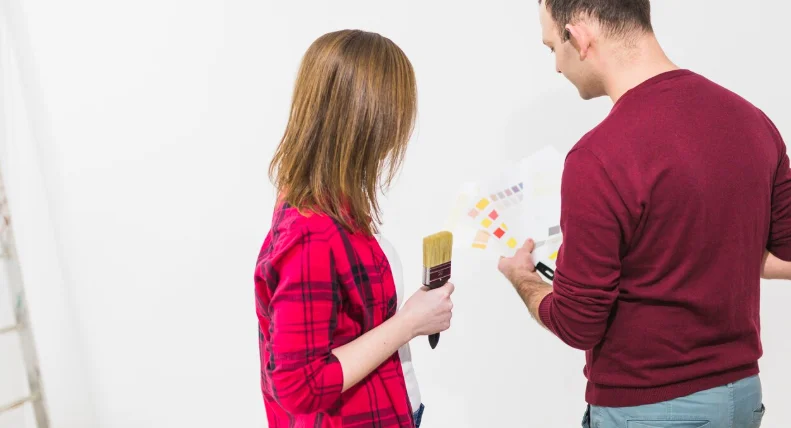
Painting a room is one of the most effective ways to refresh an interior space, improve its appearance, and protect surfaces from wear. While painting may seem straightforward, achieving a clean and durable finish depends largely on following the correct sequence of steps Successfully Paint. Poor planning or an incorrect order can lead to uneven coverage, visible flaws, and unnecessary rework. This guide explains the proper process for painting a room, from preparation to completion, with a focus on efficiency and quality results.
Why Painting a Room in the Correct Order Matters
Painting a room correctly is not only about choosing the right colour but also about applying paint in a logical sequence. The correct order minimises mess, reduces time spent on touch-ups, and ensures a professional-looking finish. By addressing preparation, painting, and finishing steps systematically, homeowners can achieve consistent results while avoiding common mistakes such as paint drips, uneven edges, or damaged surfaces. Understanding the proper order to paint a room is essential, as following a clear sequence for preparation, cutting in, rolling, and finishing ensures efficiency, prevents errors, and results in a polished, professional-looking space.
Preparing for the Paint Job
Preparation is the foundation of a successful paint project. Skipping or rushing this stage often results in poor adhesion and an uneven finish.
The first step is clearing the room. Furniture should be removed or moved to the centre and covered with drop cloths. Floors should also be protected to prevent paint splatter. Next, walls, ceilings, and trim must be cleaned to remove dust, grease, or residue that could interfere with paint adhesion.
Surface inspection follows. Cracks, nail holes, and dents should be filled with appropriate filler and sanded smooth once dry. Any peeling or flaking paint must be scraped off, and glossy surfaces lightly sanded to help the new paint adhere. Masking tape should then be applied along edges, windows, door frames, and fixtures to protect areas that will not be painted Successfully Paint.
Finally, priming is completed if required. Primer helps seal repaired areas, blocks stains, and provides a uniform base, especially when painting over dark colours or bare surfaces.
The Painting Phase: Following the Correct Order
Once preparation is complete, the painting phase can begin. Applying paint in the proper sequence prevents overlap marks and reduces cleanup.
The standard rule is to start from the top and work downward. Ceilings are painted first to avoid dripping paint onto finished walls. A roller is typically used for coverage, while brushes help reach edges and corners.
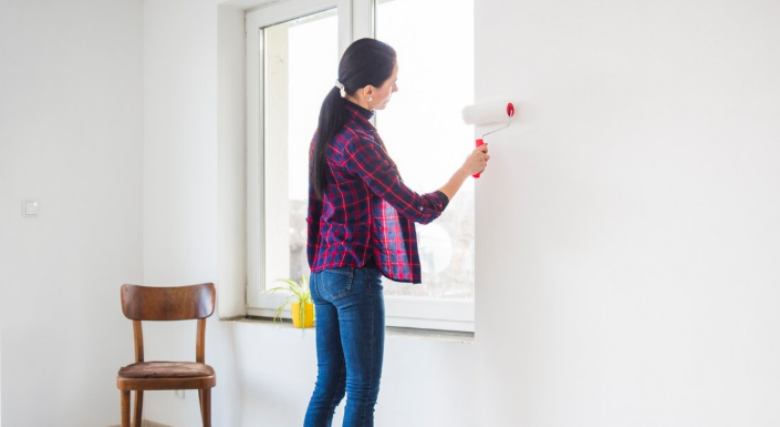
After the ceiling dries, walls are painted next. Using a consistent pattern and working in sections ensures even coverage. Cutting in along edges before rolling helps achieve clean lines. Depending on the paint type and colour, two coats may be required Successfully Paint, with sufficient drying time between layers.
Trim, doors, and baseboards are painted last. Since these areas are more detailed, painting them after walls reduces the risk of splashes ruining finished surfaces. Semi-gloss or gloss paints are often used here for durability and ease of cleaning.
Post-Paint Phase and Final Touches
Once painting is complete, attention shifts to finishing tasks. Masking tape should be removed carefully while the paint is slightly tacky to prevent peeling. Any minor imperfections can be corrected with light touch-ups using a small brush.
The room should be ventilated to allow paint fumes to dissipate and ensure proper curing. Floors and furniture coverings can be removed once the paint is fully dry. Reinstalling fixtures, outlet covers, and wall hangings completes the transformation.
This final stage also provides an opportunity to inspect the room under different lighting conditions to ensure consistent colour and coverage.
Common Painting Mistakes to Avoid
Many painting issues stem from incorrect sequencing or rushed preparation. Common mistakes include painting walls before ceilings, neglecting surface repairs, or ignoring drying times between coats. Using low-quality tools can also lead to streaks and uneven finishes. Following a structured approach reduces these risks and leads to better outcomes.
Frequently Asked Questions
A common question is whether baseboards or walls should be painted first. In most cases, walls are painted before baseboards to prevent drips from damaging finished trim. Another frequent concern involves painting order across multiple rooms. Typically, rooms that require the most preparation or have the least furniture are painted first to streamline the process.
Mistakes such as poor surface preparation, using the wrong paint type, or rushing the job can compromise results. The correct sequence for painting any interior space generally includes preparation, priming, painting from top to bottom, and finishing details.
Conclusion
Painting a room successfully requires more than choosing a colour and applying paint. Following the correct order from preparation to final touches ensures efficiency, reduces errors, and delivers long-lasting results. By starting with thorough preparation Successfully Paint, painting surfaces from top to bottom, and completing careful finishing work, a room can be transformed with minimal frustration. A structured approach not only improves the final appearance but also makes the painting process more manageable and rewarding.
Curious for more? Explore additional content crafted just for your interests.